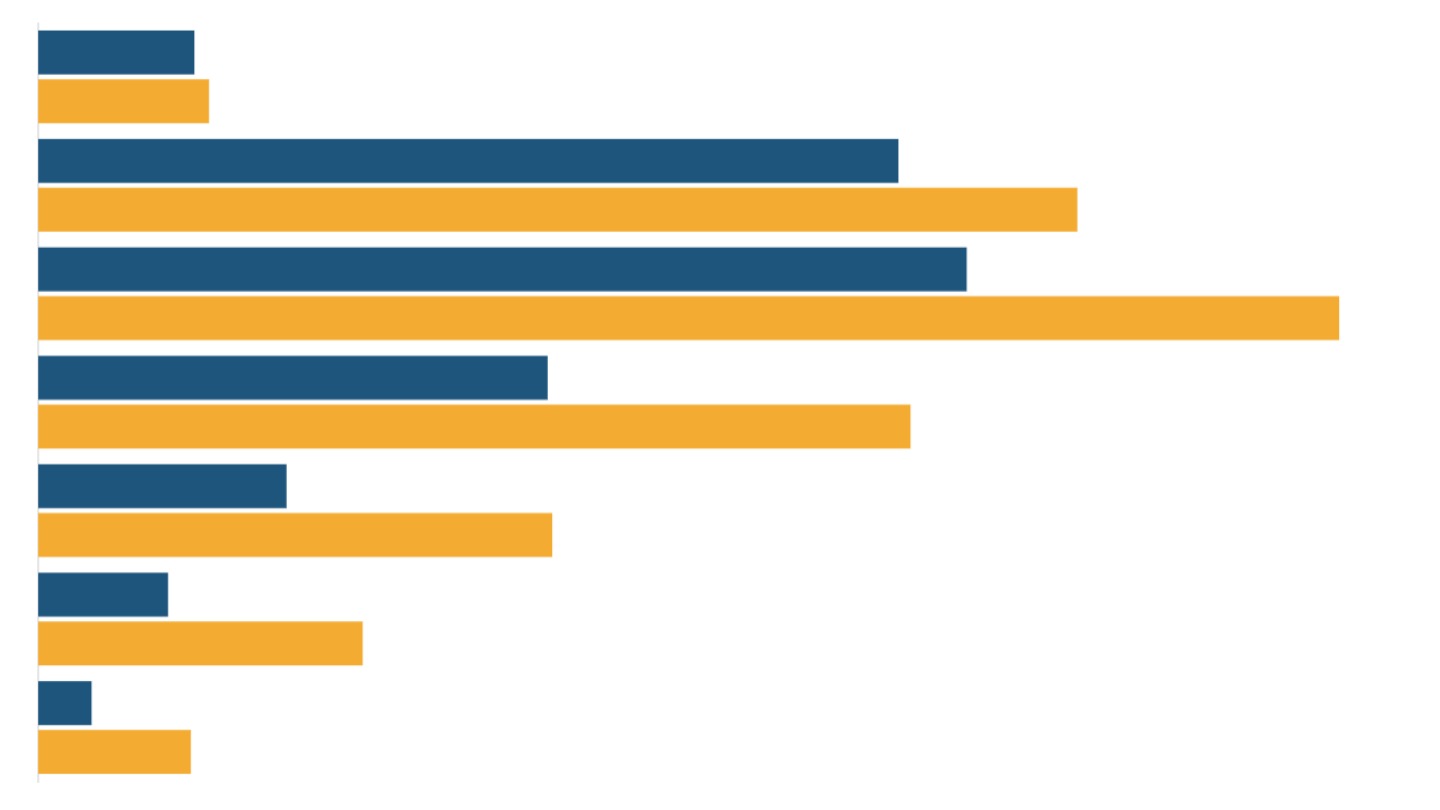
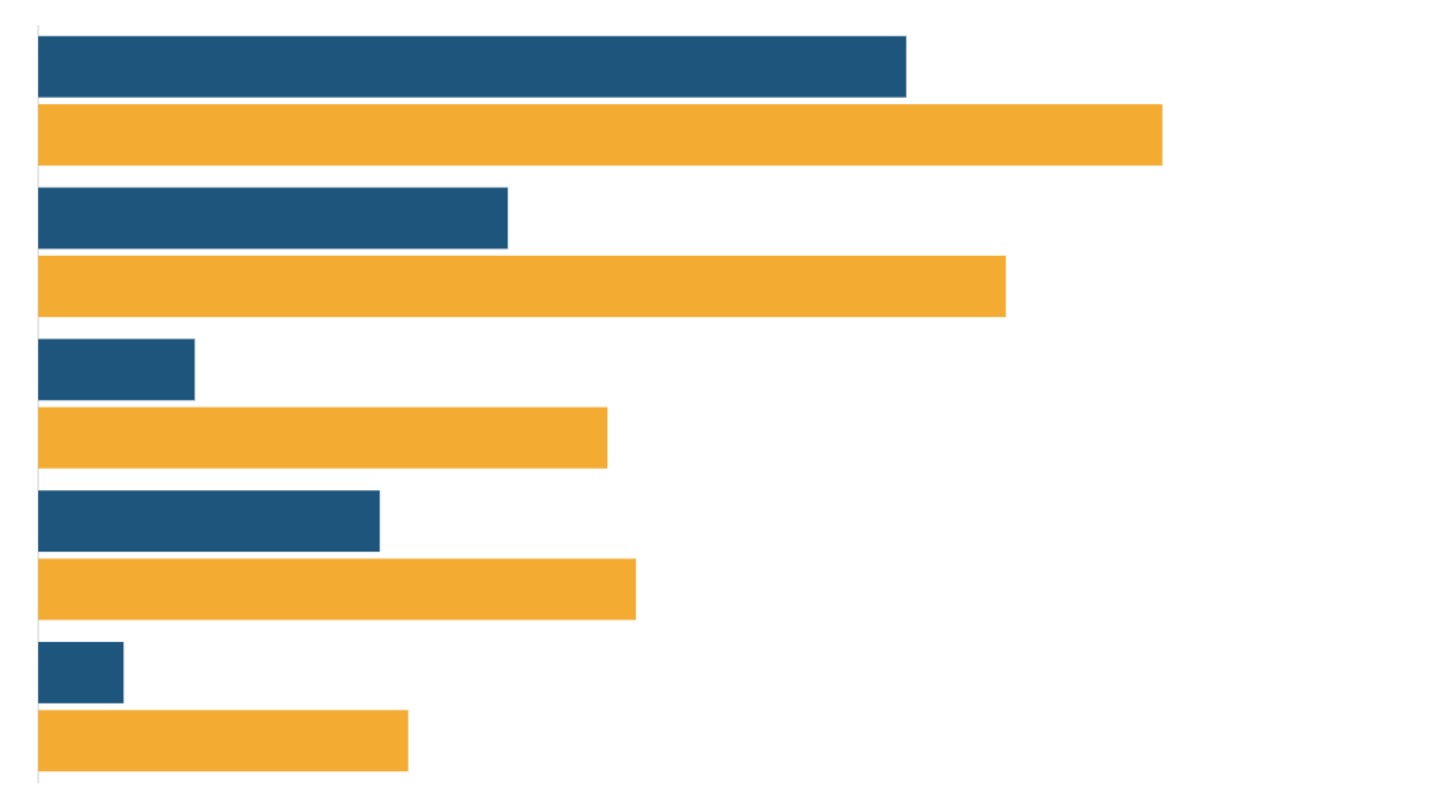
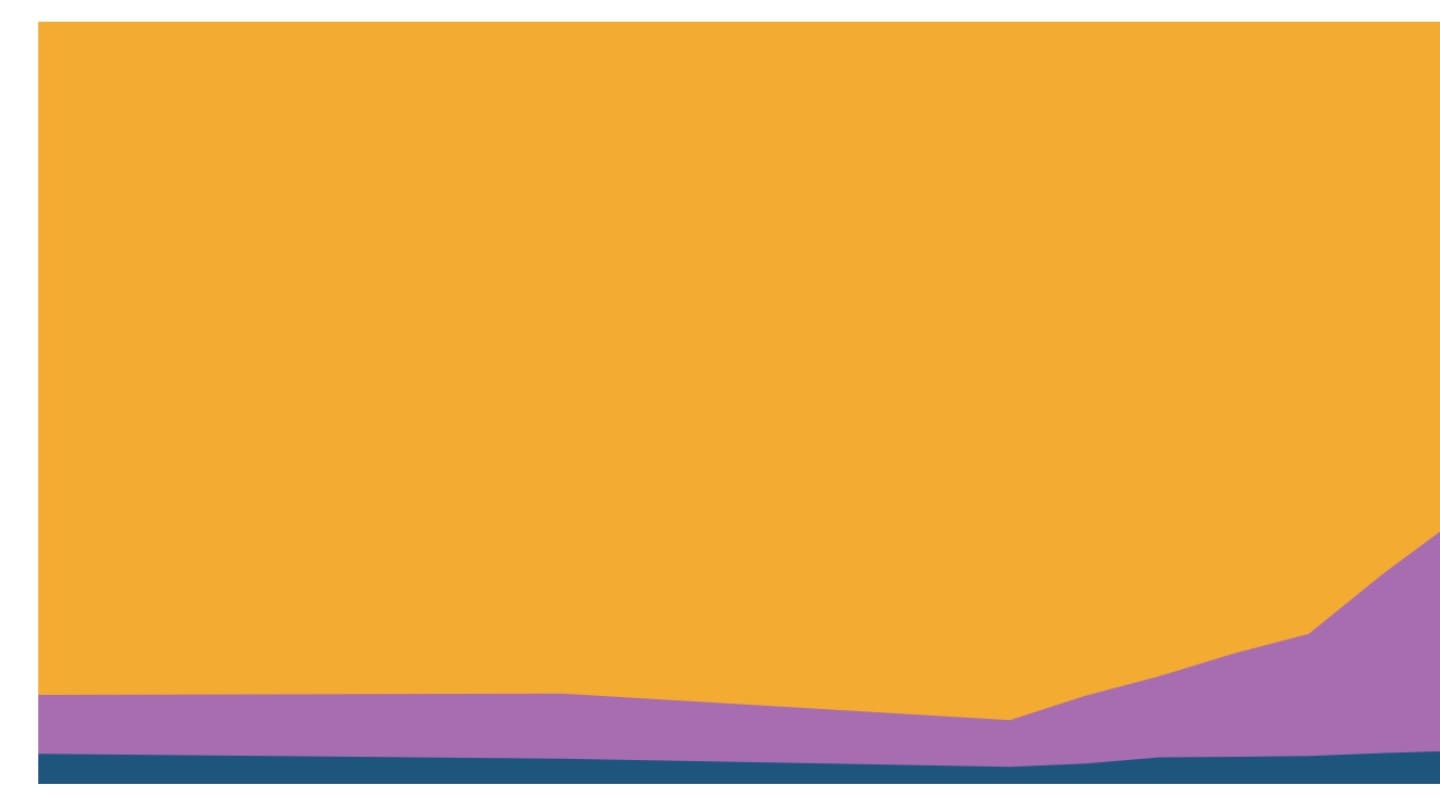
Having risen steadily over time, the share of Indian households who use Liquefied Petroleum Gas (LPG) as their primary source of fuel for cooking is now at 60% as of 2024. Another 33% of households still used firewood.
This data comes from India's Household Consumption Expenditure Surveys, a series of large, nationally representative household surveys conducted by the National Statistical Office, which ask the head of the household what the primary source of energy used by the household in the 30 days preceding the survey was. If more than one type of energy is used, the survey enumerator records the primary or principal one on the basis of its extent of use.[1] The most recent such survey was conducted in 2023-24.
Households by cooking fuel they use
Cooking fuels used by Indian households include LPG, other natural gases (primarily PNG or Piped Natural Gas), firewood, other natural sources (primarily dung cake), and others which include electricity, as well as those who do not have any cooking arrangement.
Most firewood usage takes place in rural households, while in urban areas nearly 85% of households now use LPG. In India, LPG - a mixture of primarily propane and butane gases - is obtained primarily by refining crude oil, and partly by processing natural gas. The share of households using natural gases, including Piped Natural Gas (PNG), remains small, and geographically concentrated.
Change over time
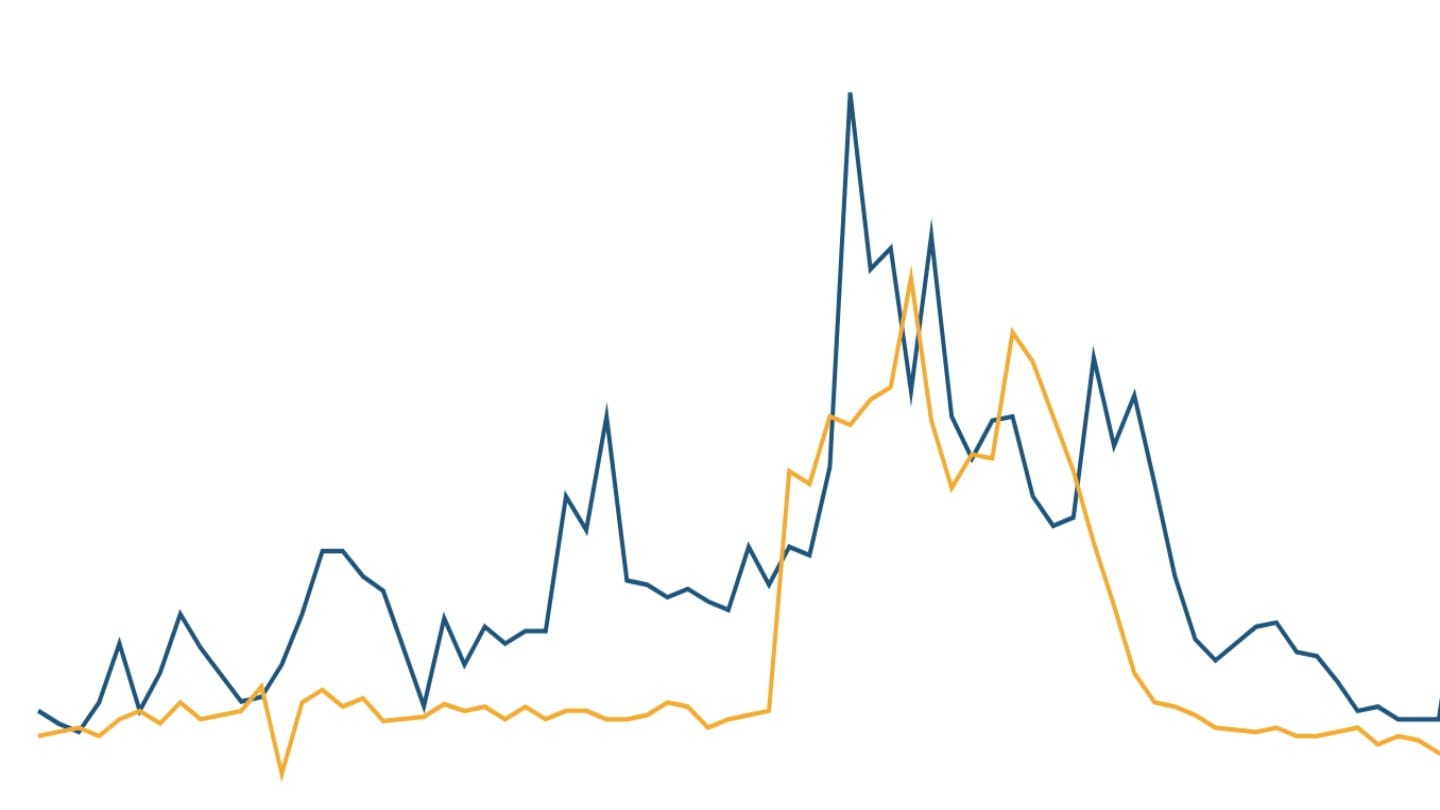
The usage of LPG is growing steadily - in 2000, fewer than 20% of households used LPG, with the majority reliant on firewood. Towards the late 2010s, the share of households using LPG surpassed those using firewood, and continues to grow.
Despite this growth, India is some distance away from some comparable countries like Viet Nam, China and Brazil in the adoption of clean cooking fuels. The World Bank defines 'clean' fuels as gaseous fuels, electricity, as well as an aggregation of any other clean fuels like alcohol, while 'polluting' fuels include unprocessed biomass, charcoal, coal, and kerosene.
Within its 'affordable and clean energy' agenda, the global Sustainable Development Goals target 7.1 aims to ensure universal access to affordable, reliable and modern energy services by 2030. Towards this end, India has created a national target to take the share of LPG and PNG connections relative to the number of households in the country to 100%.
However, household survey data shows that the share of Indian households actually using LPG or PNG is substantially smaller than the number of household connections that have been supplied. By 2024, there were more than 96 LPG or PNG connections for every 100 Indian households[2], even though survey data shows that 61% of households were using LPG or PNG as their primary source of cooking fuel. This suggests that many of these connections were either not being used, or that multiple connections were registered with a smaller share of establishments.
Who in India uses LPG?
The use of LPG rises steadily with household wealth. More than half of the poorest 20% of Indian households use firewood as their principal source of fuel for cooking. In contrast, eight in ten of the richest 20% of households use LPG as their primary source of cooking fuel.
Cooking using open fires or inefficient stoves fuelled by kerosene, biomass including firewood and coal generates harmful household air pollution, which leads to non-communicable diseases, including stroke, ischaemic heart disease, chronic obstructive pulmonary disease (COPD) and lung cancer, according to the World Health Organization. Women and children who are typically responsible for household chores such as cooking and collecting firewood, are disproportionately affected by these health risks.[3]
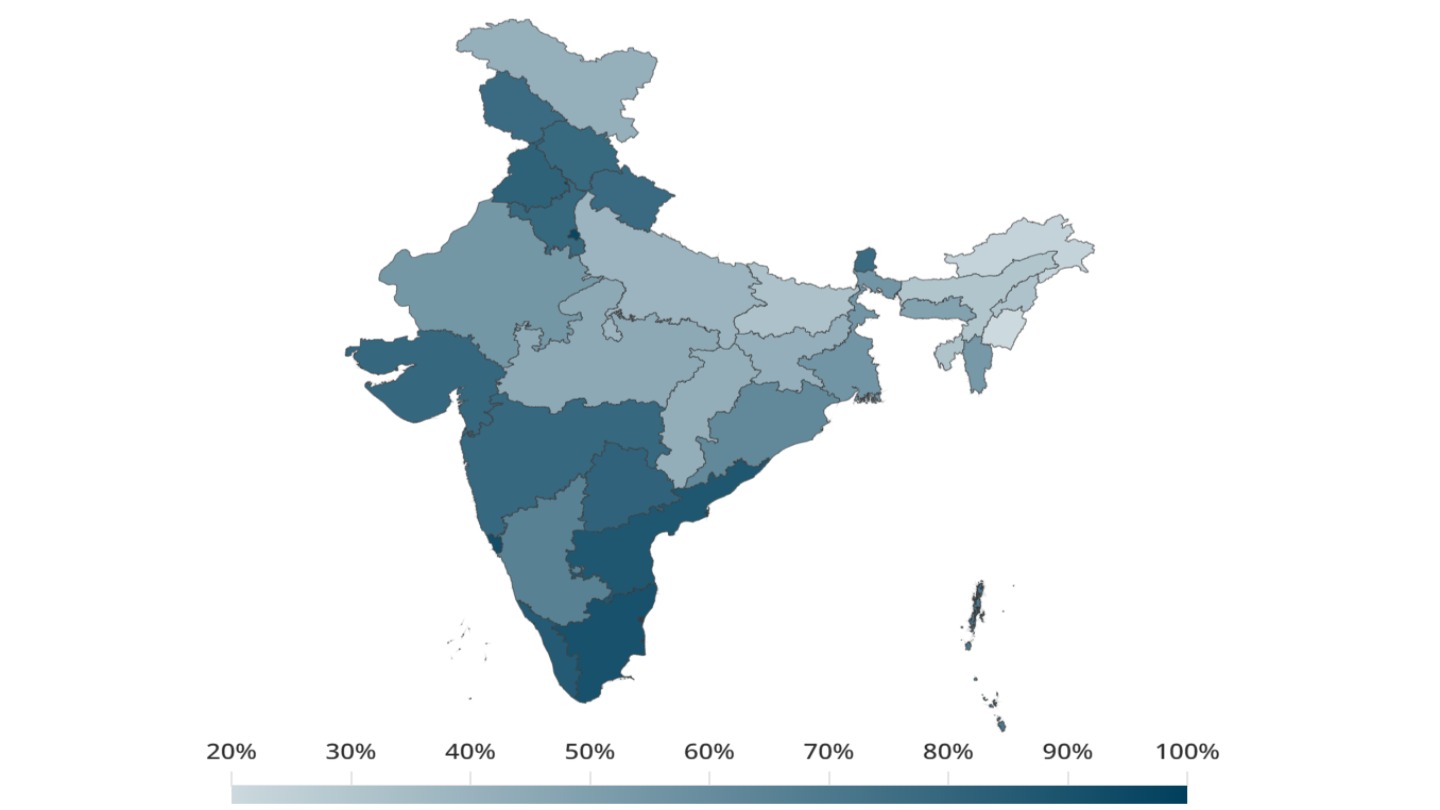
In the wealthier southern and northern Indian states, most households use LPG. In Punjab, Haryana and the southern states, over 80% of households in rural areas too use LPG. In contrast, fewer than a third of households in Jharkhand, Chhattisgarh and Odisha use LPG, with the share in their rural areas being half of that.
The primary other source of cooking fuel in these states is firewood. Gujarat is the only state where a significant share (14%) of cooking fuel comes from another source - PNG. This is mainly because the state is the hub of natural gas production in India and an early adopter of city piped gas networks. PNG is primarily methane gas, produced by processing natural gas.
[1] Instructions to Field Staff, Household Consumption Expenditure Survey 2022-23, National Statistical Office.
[2] SDG India Index 2023-24, Niti Aayog, Government of India