Most of our time is spent indoors, which makes the quality of our homes central to our health, comfort, safety and overall well-being.[1] More Indians are now living in safe and secure houses than ever before. Yet, 15 million families in India still live in houses that are not completely durable and safe against the elements.
The most basic way to measure the condition of a house in India has typically been by looking at the materials used for its walls, roof, and floor - the basic structure that holds it together. India's National Family Health Survey asks the head of each household about the main material used for the walls, roof and floor of their current house.[2] Each house is then classified into three categories:
i) Houses where all three components are made of strong, long-lasting materials like concrete or burnt bricks are considered durable or pucca.
ii) If at least one component is durable, the house is partially durable or semi-pucca.
iii) If all components use non-durable materials like mud, bamboo, or unburnt bricks, the home is non-durable or kutcha.
How many houses in India are durable?
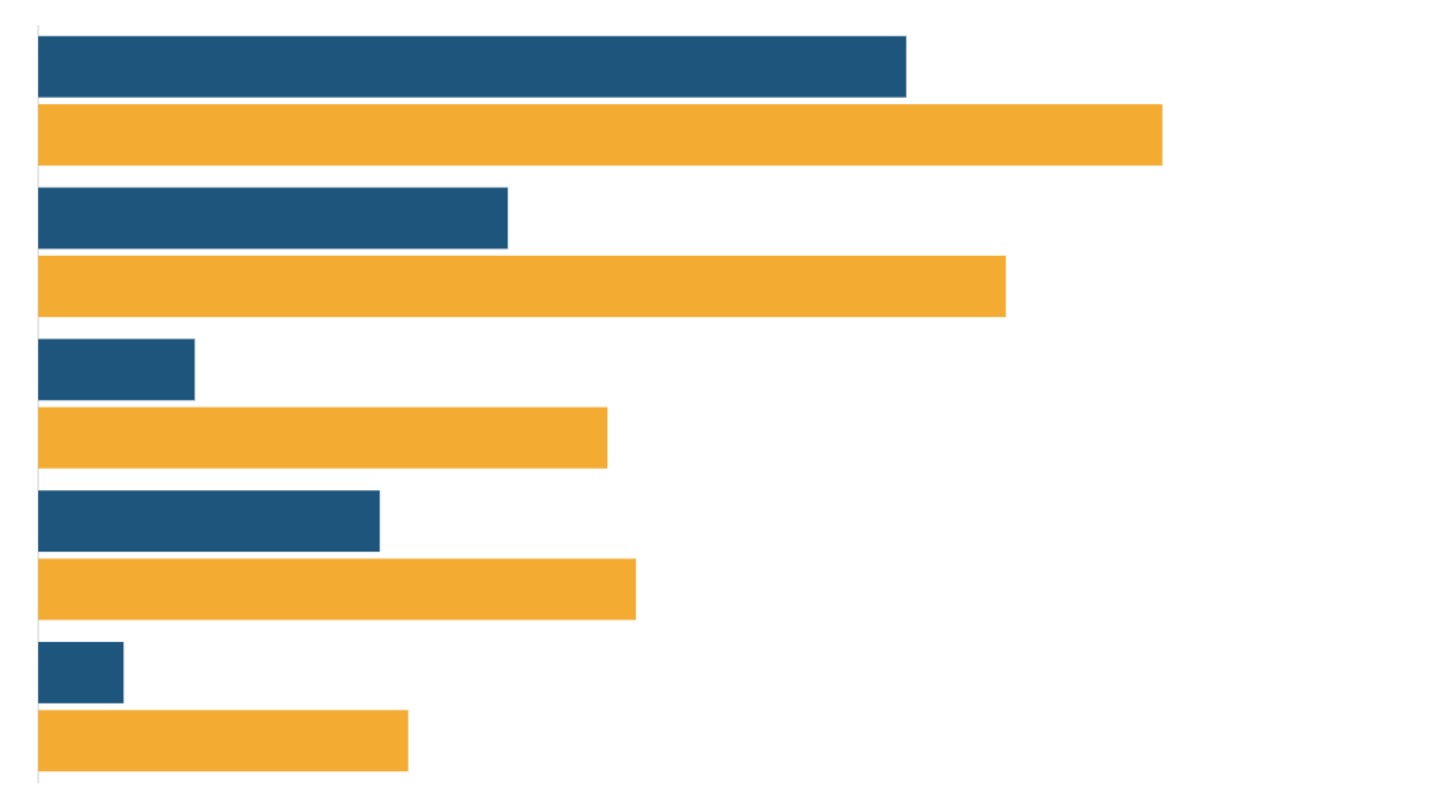
In 2021, about six in ten Indian households lived in fully durable houses.[3] Over three in ten lived in partially durable houses. The remaining one in ten - or over 15 million families -- still lived in non-durable homes.[4]
Urban rural gap
Non-durable and partially durable houses are much more common in rural areas. In urban areas, fewer than 1% of families live in non-durable houses. In rural areas, the share is over 6%. Less than half of all rural homes are fully durable.
In urban India, on the other hand, over 85% of households now live in durable houses.
Change over time
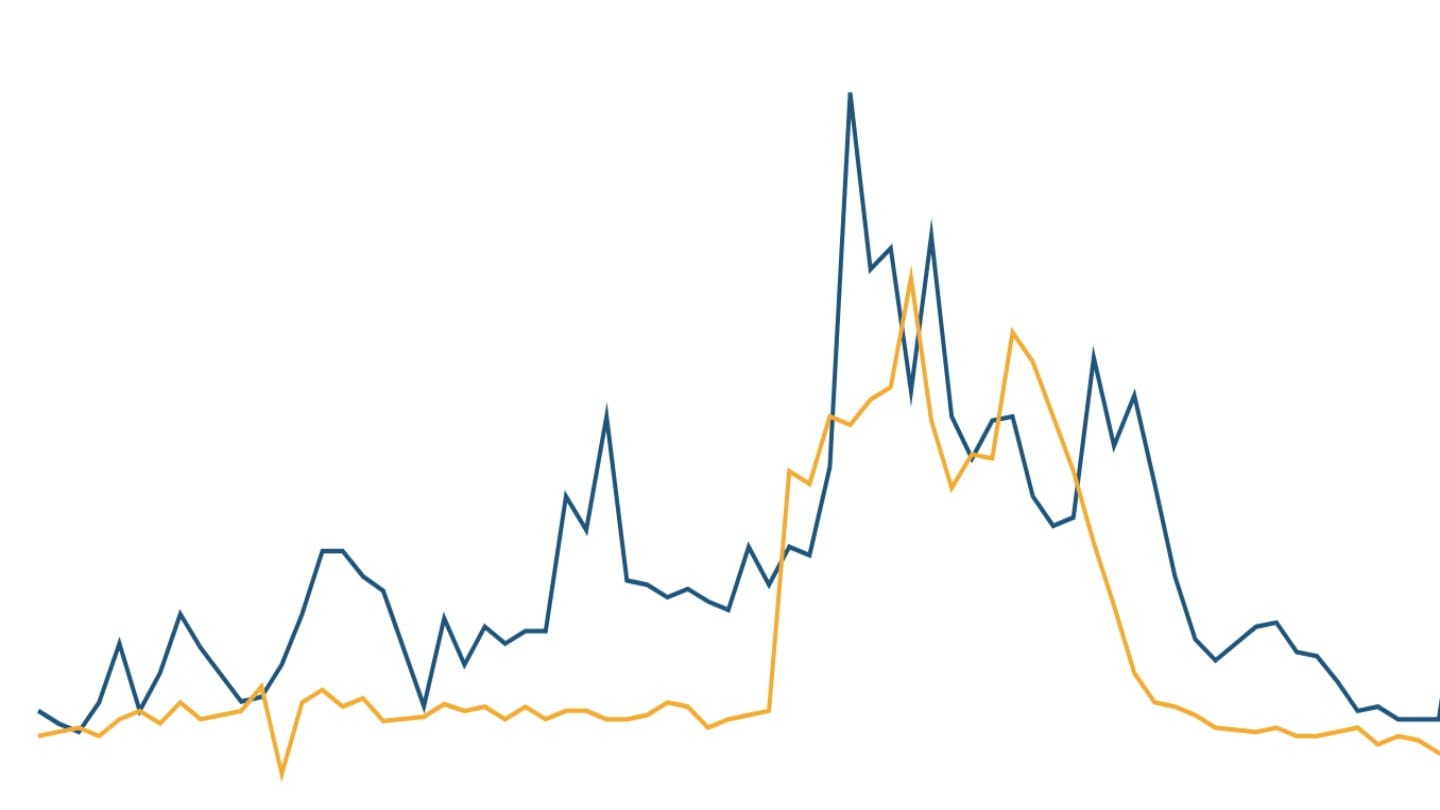
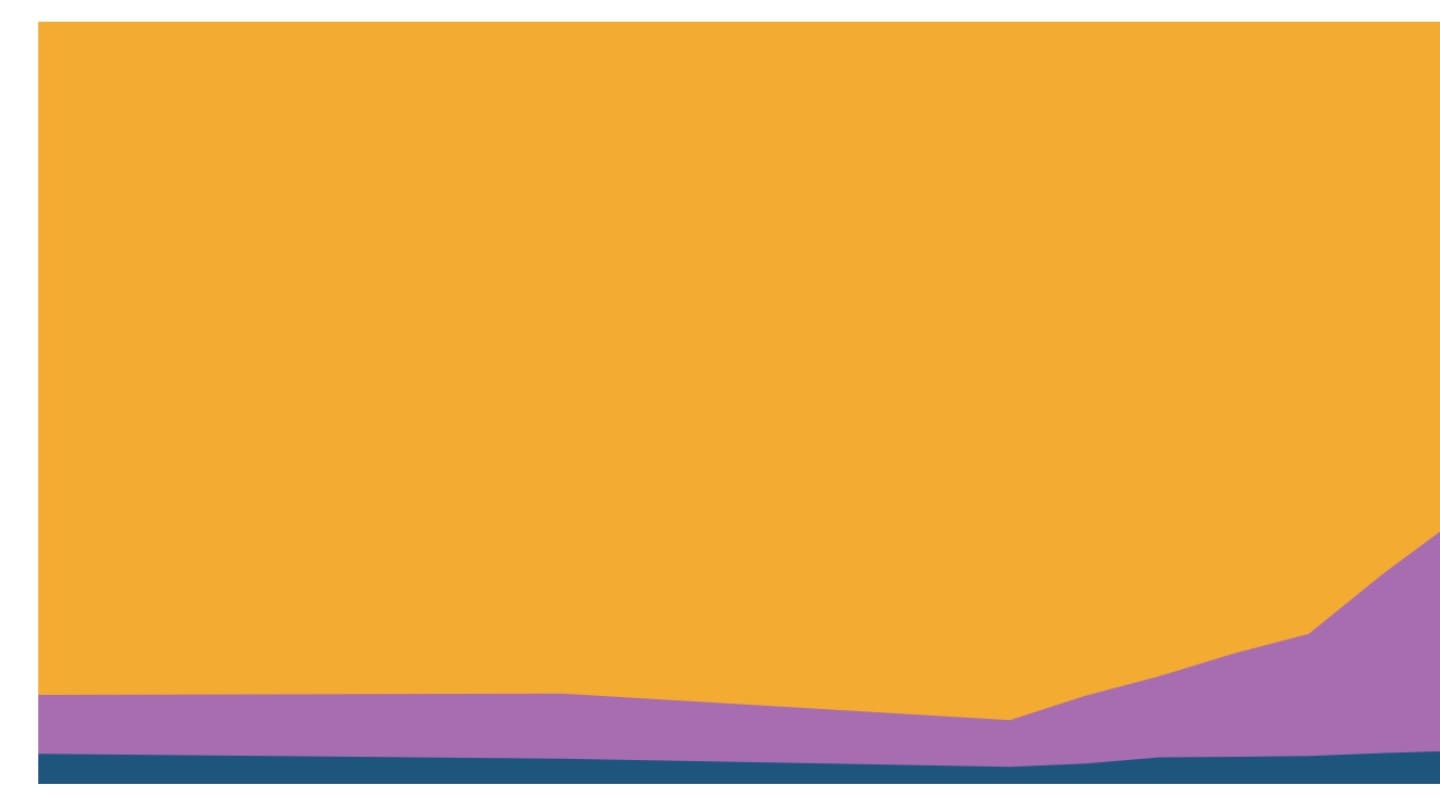
Over time, there has been a steady decline in the share of Indians who live in non-durable homes. In 1993, nearly half of all Indian households lived in non-durable houses made of mud, earth or thatch; by 2021 it had dropped to just 5%.
Not only has the share of Indians living in durable houses been rising, the gap between housing conditions in rural and urban India has also been narrowing. Rural areas have seen a steady rise in durable houses, from around one in ten, to nearly five in ten, over the last two decades. In urban areas, however, the change has been slower.
Wealth gap
India's poorest families are most likely to live in non-durable and partially durable houses.
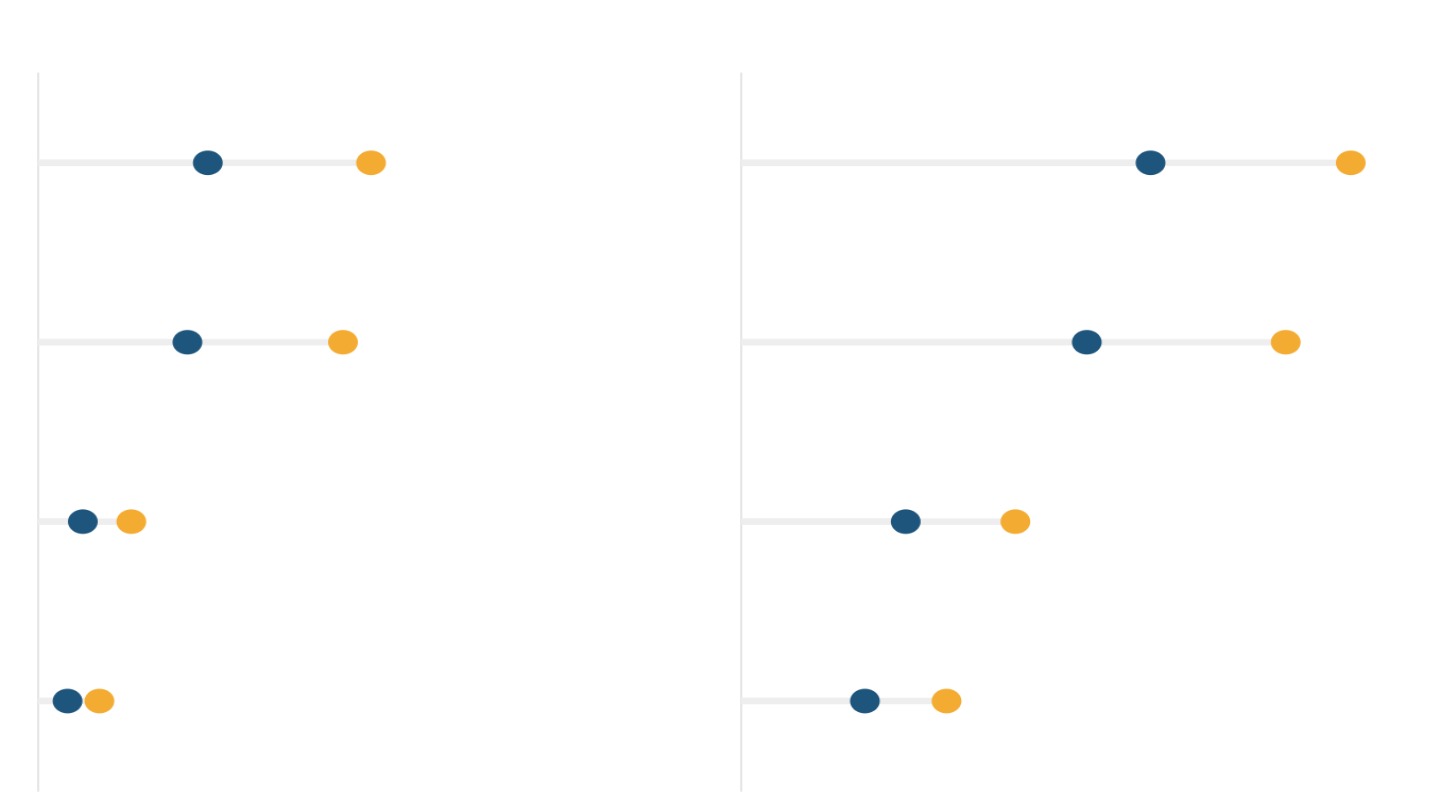
The urban-rural gap becomes even sharper when we look at poorer households. Among the poorest rural households, more than one in five houses are still non-durable. Among the poorest urban households, on the other hand, non-durable homes are relatively uncommon at fewer than one in twenty.
Variations across states
There are regional differences in the materials used to build houses across India, shaped not only by socio-economic conditions but also by the state's terrain and the region's accessibility and connectivity.
In India's more prosperous southern states like Tamil Nadu, Andhra Pradesh and Kerala, over eight in ten houses are durable. Higher income northern states such as Punjab, Himachal Pradesh and Haryana also have a larger share of fully durable homes.
India's poorer central and eastern states have a lower share of houses made with durable materials like cement and baked brick.
However, the share of durable houses is lowest among India's north-eastern states which are not its poorest states. Fewer than a third of the houses are fully durable in five out of the seven north-eastern states. While houses in these states have durable roofs, bamboo walls and mud floors are still widely used.
In these hilly and forested regions, transporting construction materials is difficult and expensive.[5] Arunachal Pradesh has the highest share of non-durable houses, with more than half built from bamboo and mud. Accessibility greatly affects the choice of construction material; for instance, regions in Meghalaya that are close to major highways have shifted much more towards concrete houses.[6]
What affects the durability of some Indian houses?
In Indian statistics, the durability of a home is determined by the condition of its roof, walls and floor. We look at the condition of each of these to better understand the stability and durability of Indian houses.
Among the three components, the floor is the biggest reason a home is classified as non-durable. In fully or partially non-durable houses, about three in four households still have floors made of mud or clay.
This is followed by low-quality walls; about half of these houses have walls built with non-durable materials.
Most Indian houses, however, have durable roofs, with only about three in ten such houses having low quality roofing.
Roof materials
Most houses in India now have durable roofs. Nine in ten homes have roofs made of strong materials such as concrete, cement sheets, metal sheets, slate, or tiles. Non-durable roofs include those made of thatch, grass, leaves, mud, or loosely packed stones. A larger share of houses in India today have durable roofs than walls or floors. Even among the poorest rural households, more than seven in ten have durable roofs.
As of 2021, Rajasthan and Arunachal Pradesh are the only states where more than 30% of homes still have non-durable roofing.
Wall materials
Eight in ten homes use durable wall materials like cement, concrete, or burnt bricks. Among the remaining homes, about half rely on mud walls. Walls do more than hold up the structure. Poor-quality walls can trap moisture and lead to dampness, which in turn contributes to health problems.[7]
The use of non-durable material for building walls of the house is more common in rural areas, where one in four houses use low quality materials for its walls. This rises sharply among the poorest rural households, where over half of all houses have walls built with materials like mud or bamboo.
Floor materials
The quality of the material used for flooring is important because poor-quality flooring can create unsanitary conditions and increase the risk of infections, especially among children.[8]
Nearly three in ten Indian homes have low-quality flooring, and in rural areas this rises to almost six in ten. Over a third of rural homes still use mud, clay, or earthen floors. Improved quality floors include cement, polished stone, tiles, marble or stone.
The urban-rural difference here is quite high. Over 40% of rural houses have low-quality floors, while among urban houses it is just 5%. In the poorest rural houses, over 90% of homes use low-quality flooring, compared with a much smaller share in urban areas.
[1] Housing Conditions and Their Impact on Health of Residents (2023), Zuber, Khosla et al, MDPI.
[2] The National Family Health Survey 2019-21 was conducted by International Institute for Population Sciences, and surveyed over 600,000 households across rural and urban India.
[3] National Family Health Survey 2019-21.
[4] Estimated using Census population projection for 2021 and considering average household size of 4.4
[5] Sustainable solutions for low-cost building: Material innovations for Assam-type house in North-East India (2025), Barbhuiya, Adak et al, Case Studies in Construction Materials.
[6] A compendium of rural housing typologies, Pradhan Mantri Awas Yojana - Gramin.
[7] Human Health Effects Associated with Damp Indoor Environments, 2004.
[8] Socio-demographic and environmental factors associated with diarrhoeal disease among children under five in India (2020), Paul, BMC Public Health.