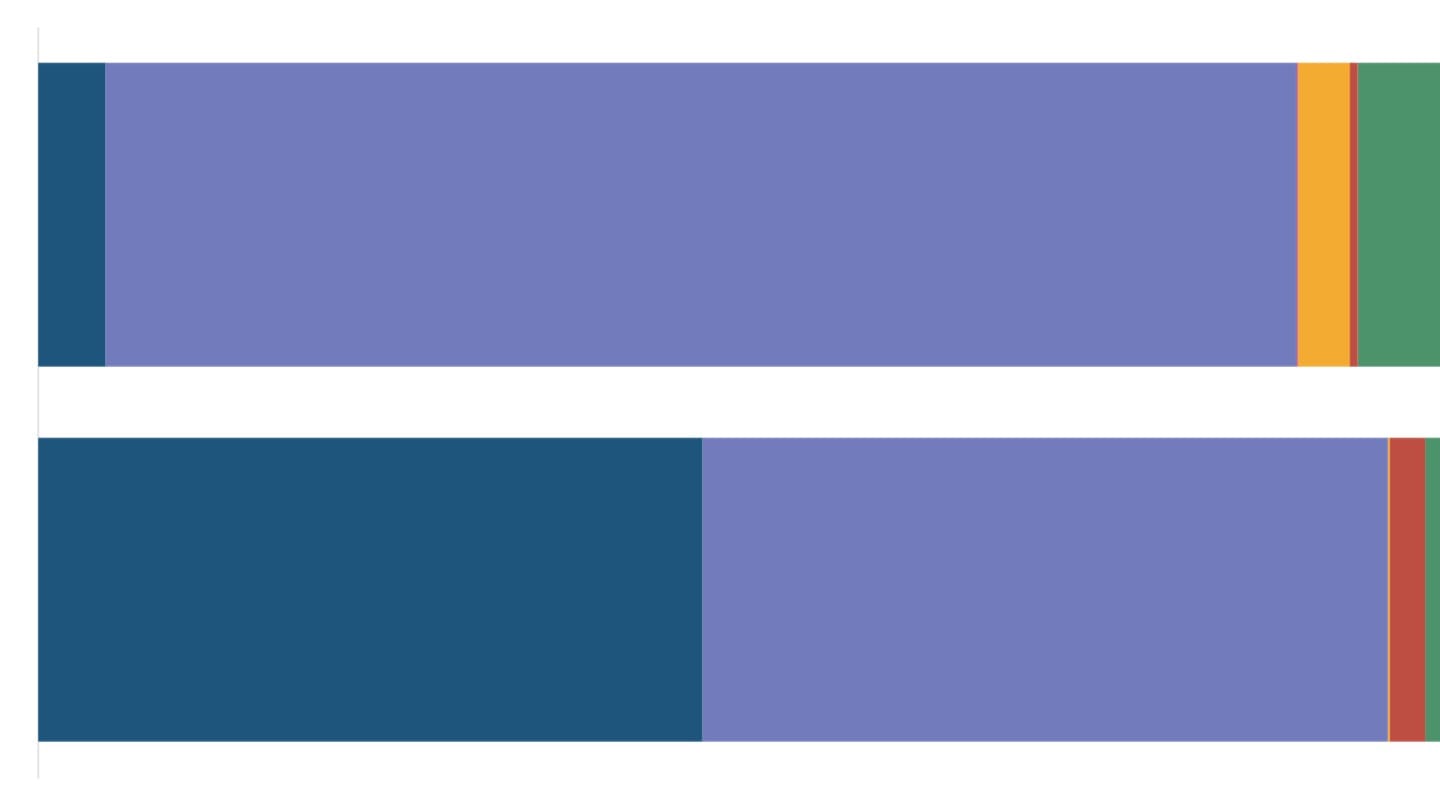
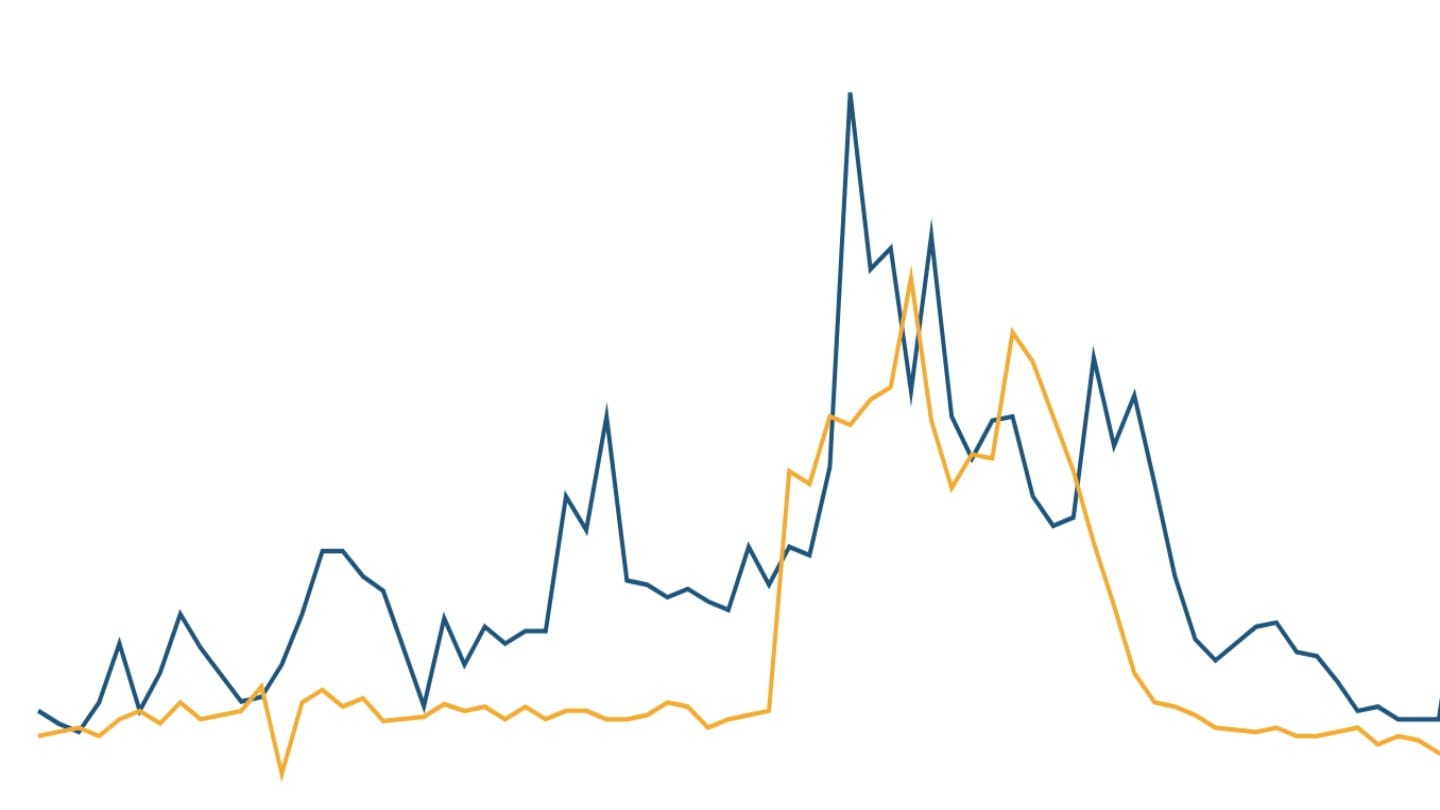
Until ten years ago, if your household in India owned a vehicle, it was most likely to be a bicycle. This wasn't just the case in rural India - right up to 2012, even urban Indians were more likely to own a bicycle than they were to own a two-wheeler or car. In 2023, you see this big shift - for the first time, Indian households in urban India are more likely to own a two-wheeler than a bicycle, and it's nearly there for rural households too.
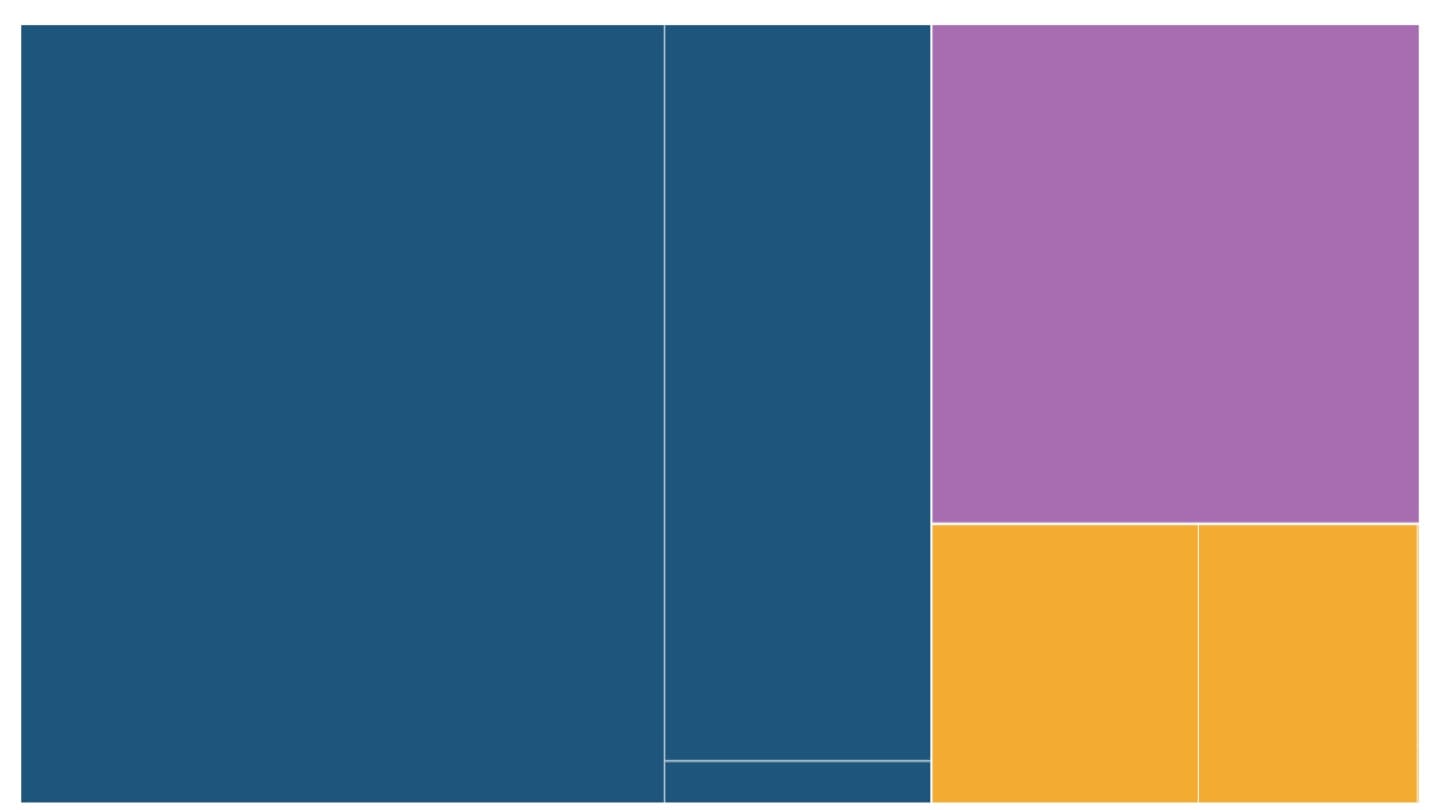
For all the time and space that cars occupy, not just on our roads, but also in public conversation, on newspaper front pages and even in terms of policy, they're marginal to the Indian vehicular ownership story. Just 7% of Indian households own a car, and their ownership is highly concentrated among the richest urban households. Even among the richest fifth of rural households, just 10% own a car. It's only among the richest fifth of urban households that car ownership rises to a quarter of households.
A quick word on the data as always: one way of looking at vehicles is from vehicular registration, and my colleague Abhishek Waghmare does that too for his piece on vehicle ownership in India. But vehicles are not people. "Some Indian households may own multiple cars, while some may not own any at all," Abhishek writes.
Household surveys provide a better picture of what a family owns, Abhishek writes. Nationally representative surveys such as the Household Consumption Expenditure Survey (HCES) conducted by the National Sample Survey Office (NSSO) record whether households own some key assets. The HCES records ownership of three kinds of vehicles: cars and jeeps (referred to as cars here), motorcycles and scooters (referred to as two-wheelers), and bicycles.
The HCES has been conducted many times over the decades; the most recent one was conducted between August 2022 and July 2023 in the entire country covering a sample size of more than 250,000 households across all states in India, and is designed to be representative of the country in terms of demographic characteristics like region, social group, and income levels.
By looking at vehicle ownership from HCES surveys since 1983, Abhishek finds that bicycle ownership peaked in the 2000s, and has since fallen in both rural and urban India. Car ownership has grown very slowly. What has taken off is two-wheeler ownership - more than half of both rural and urban households now report owning a two-wheeler, and the recent growth has been more pronounced in rural areas.
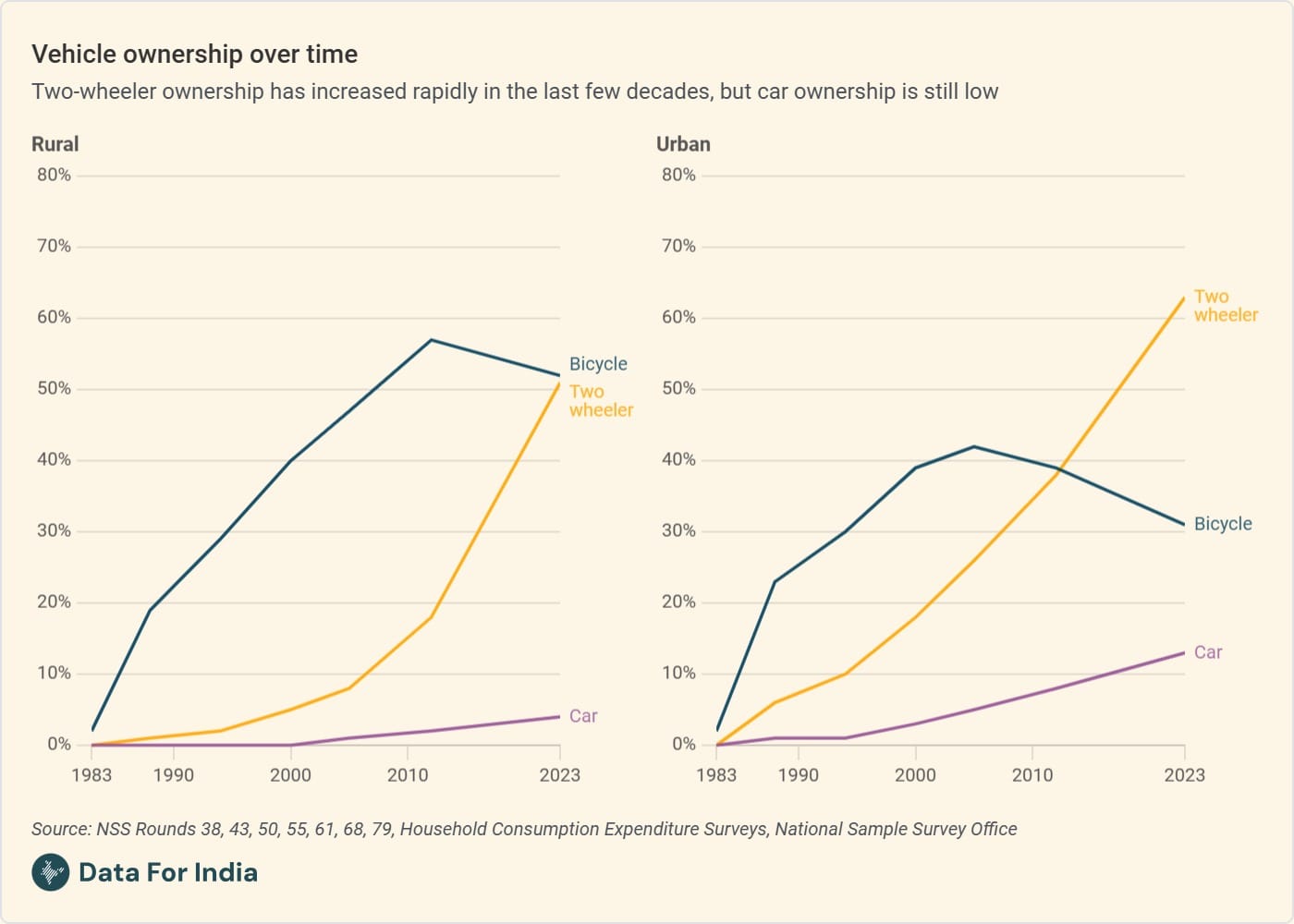
What's also interesting is that two-wheeler ownership has grown across the economic spectrum, while car ownership has grown noticeably only among the top 20% of the country. Bicycle ownership, meanwhile, has fallen among all groups, except among the poorest fifth of the population.
Private vehicle ownership does not grow in a vacuum, nor does its impact operate in a vacuum. Rising incomes propel the ownership of all assets including vehicles, but there's also the question of the adequacy of public transport in India. Additionally, you can't help but think of the health, safety and climate impacts of ever more private vehicles on Indian roads. It's a rapid and recent transformation in what Indians buy and how they commute, and it's this week's big shift.