The last time that The Big Shift looked at inflation, we looked at the price of onions to help convey what volatility in prices might actually feel like, even when inflation is stable over a longer term. One of the other aspects of inflation I was keen that we look at in our work is the impact that inflation has over household life over time.
"If the prices of goods and services rise faster than incomes, inflation dents the purchasing power of households and has an impact on the "real" or inflation-adjusted standard of living. Conversely, if incomes grow at a faster rate than price rise, households have opportunities to improve their quality of life," my colleague Abhishek Waghmare wrote in his piece for us on inflation.
To understand the impact of inflation on living conditions, Abhishek looked at three economic indicators - the change in India's per capita Gross Domestic Product over time, the change in its household consumption expenditure, and the changes in wages from labour - to examine whether they had outpaced inflation. All three had, but it was the impact of inflation on rural wages that really gave me pause.

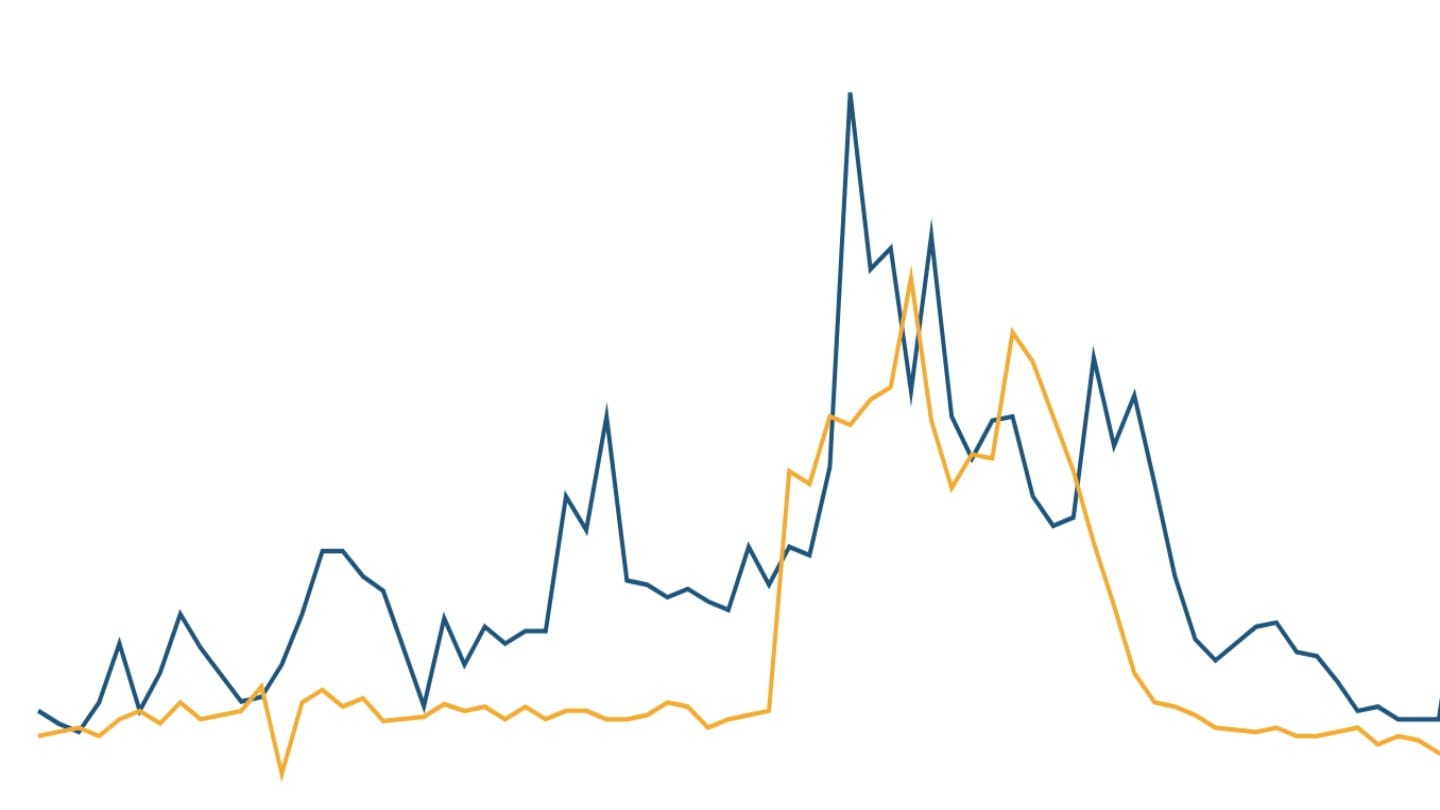
Since being an agricultural labourer is one of the most common occupations in India, Abhishek looked at the impact of inflation on the average daily wages of female and male agricultural labourers over the last decade. Since India's labour bureau started publishing this data from 2014 onwards, Abhishek looked at the impact of inflation from 2014 onwards. The blue line is the reported daily wage on average every year from 2014 onwards. The yellow line is the same wage adjusted for inflation - you apply the rate of inflation each year to that wage, to see what the number looks like when you account for inflation.
And that's where you see that while nominal daily wages for agricultural labourers rose by close to 6% every year, inflation ate into that such that real daily wages adjusted for inflation rose by only 1% annually from 2014 to 2024.
The big shift in Indian inflation, as Abhishek writes, is that it is much lower and less volatile than it has been in the past. It is also a fact that per capita income, household spending and wages have all risen faster than inflation. But when wage growth is slow, as it has been for rural workers, and off a very low base, those gains get almost completely eaten up by inflation - not a big shift, but the erosion of one.