One of the best parts of Data For India's work for me, personally, is being able to put a number and a mental map to concepts that were fuzzy until now. A great recent example of this is my colleague Abhishek Waghmare's work for us on India's factories. If you had asked me a few weeks ago how many factories there are in India, I would not have known whether 20,000 was the right answer or 20 million - I have simply no mental map of the topic. Thanks to Abhishek's work with Annual Survey of Industries data, we now know that India has roughly 200,000 operational factories. This week's big shift is about how many people they employ.
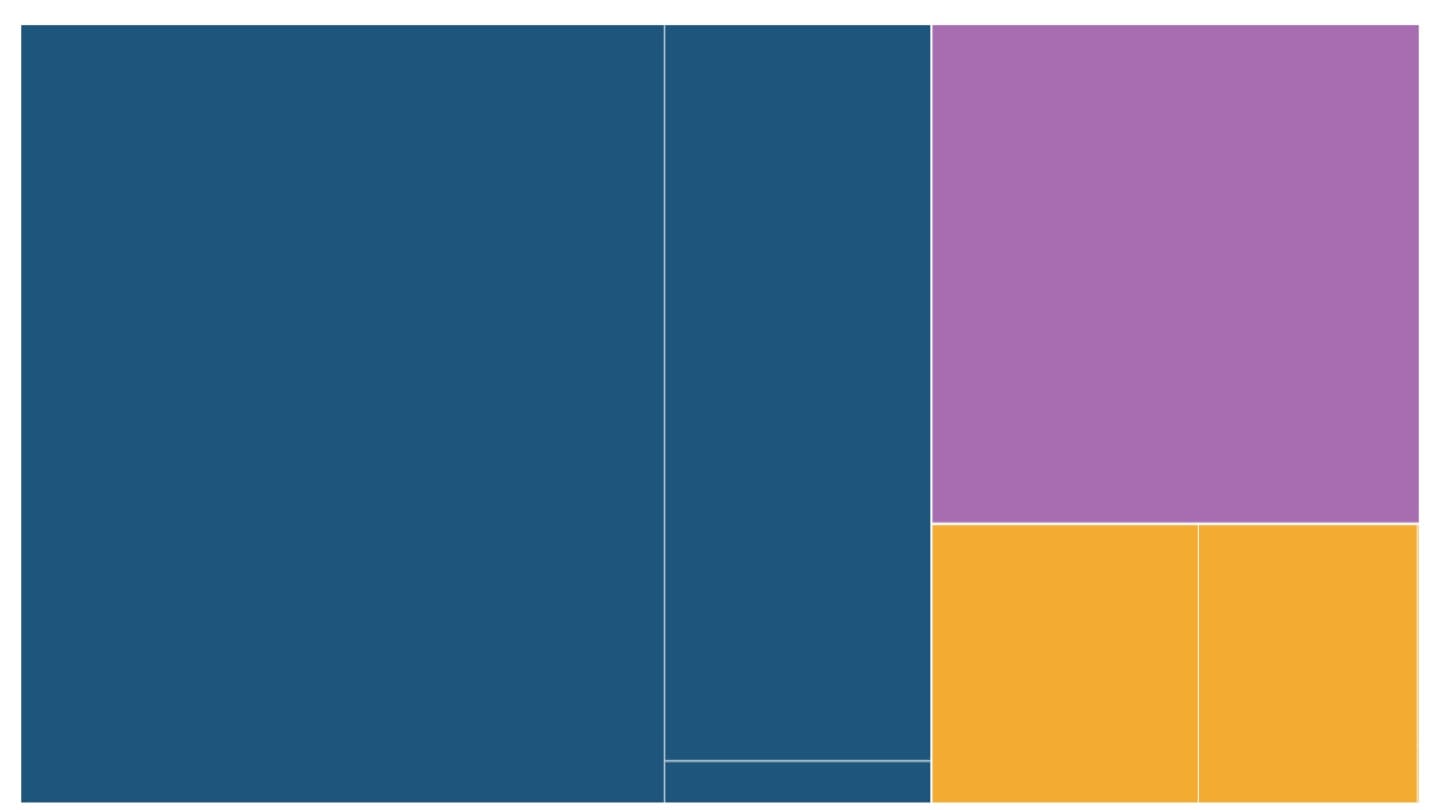
India's 200,000 or so factories employ roughly 18.5 million people. But that doesn't mean that each factory employs roughly 90 people on average. Most factories are small - over 40% of India's operational factories employed fewer than 20 people, which is a far smaller number than I had pictured. If my notion of a factory was of a place that employed more than 100 people (workers, administrative staff and managers included), then that number is just one in five factories.
But this number is growing.

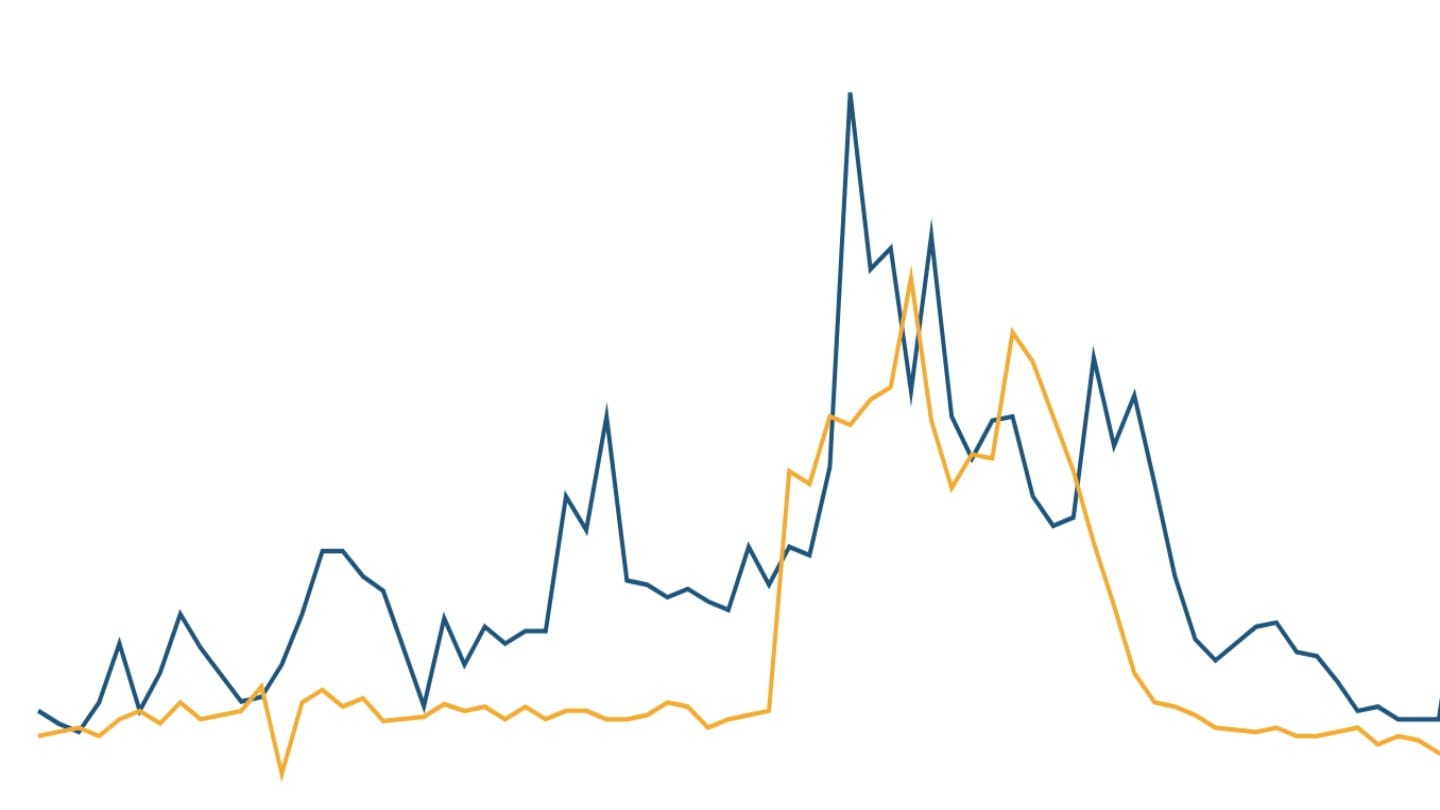
Over the last two decades, the share of factories that employ fewer than 20 workers has fallen by nearly 10 percentage points, while the share of factories that employ over 100 workers has grown by more than 10 percentage points.
Abhishek finds that the type of worker for whom employment opportunities in factories have grown is quite specific, and work hasn't increased for all types of workers in the same proportion. He also finds that income growth among factory employees is also more concentrated among some types of employees.
Factories do not represent the entire universe of manufacturing in India, and growing in size is not the only indicator that matters for factories. But it's a crucial signal in the noise, and represents an important shift in our mental model of an Indian factory.