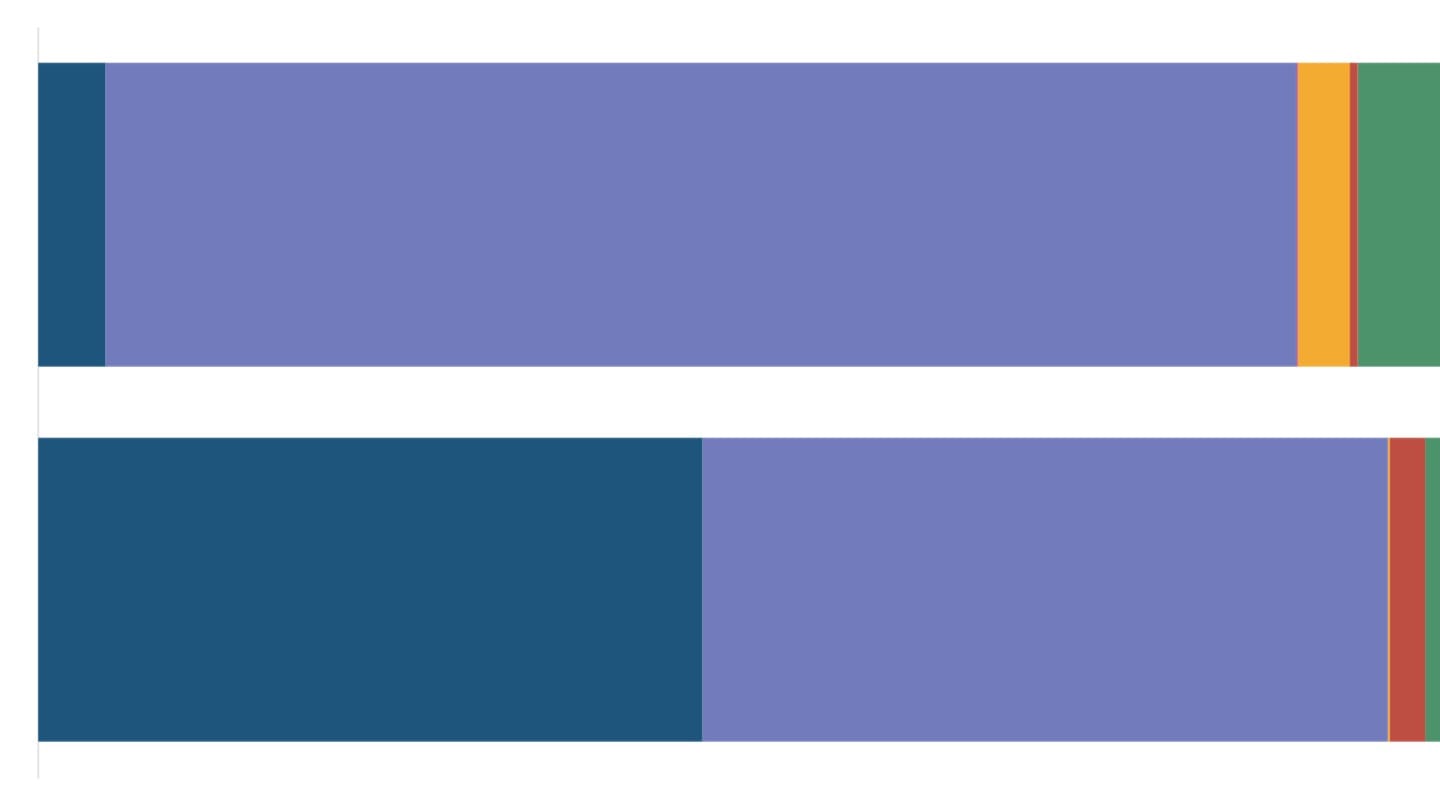
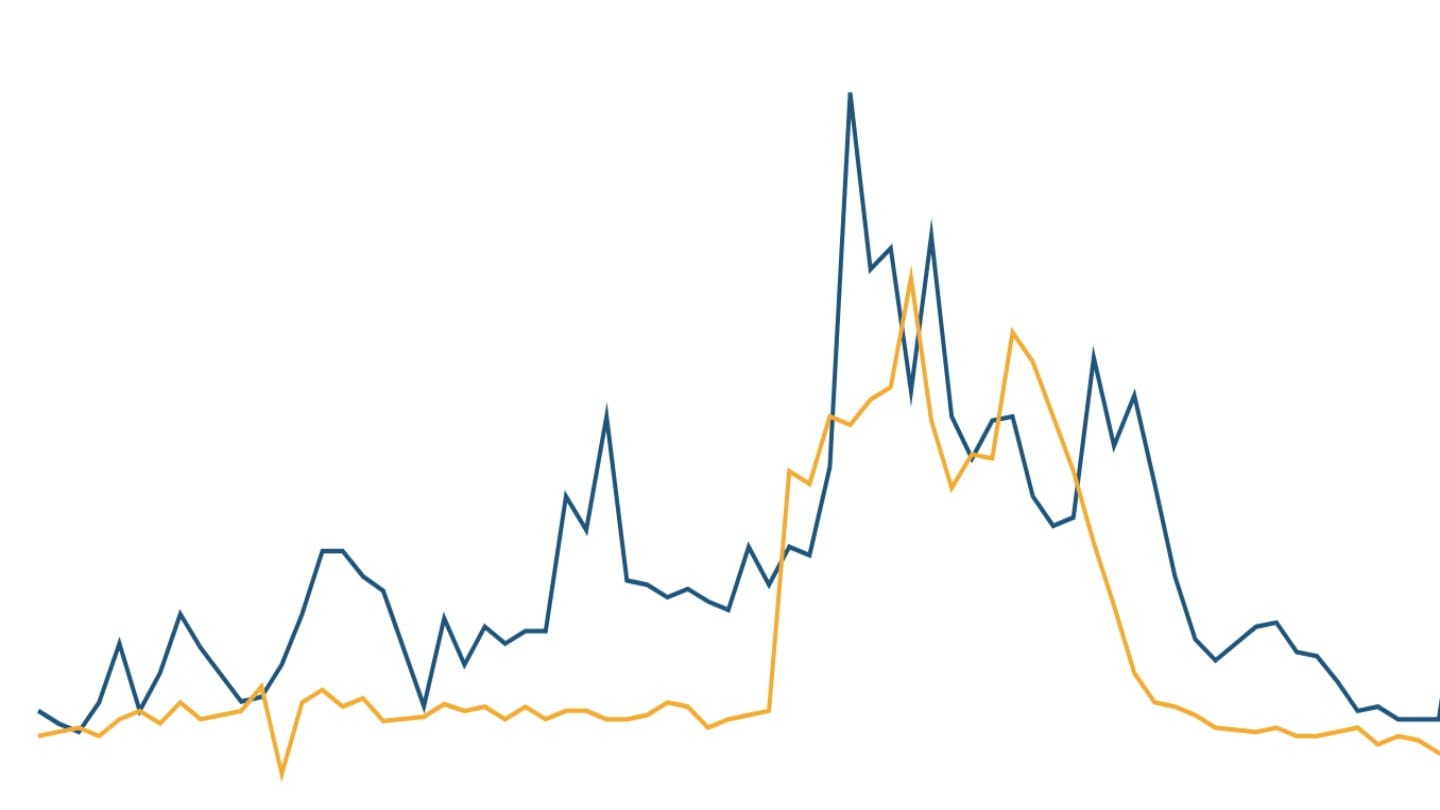
Unlike the first users of the internet in India, the vast majority of people who are now coming online are doing it via their phones. My colleague Abhishek Waghmare's work has shown us three things - the share of Indians using a mobile phone has exploded, the share of those using the internet is growing fast but lags behind phone usage, and very few people in India use computers.
One of the implications of this is that while the world of information, entertainment and communication is now at their fingertips, the traditional Information and Communications Technology (ICT) skills that were associated with computers and the internet are not going to be as easy to pick up.
India is a signatory to the United Nations Sustainable Development Goals (SDGs), one of which is to substantially increase the proportion of young people and adults with ICT skills by 2030. As a result, a nationally representative household survey of over a million people collected data on how Indians were doing on the nine ICT skills listed in the SDGs.
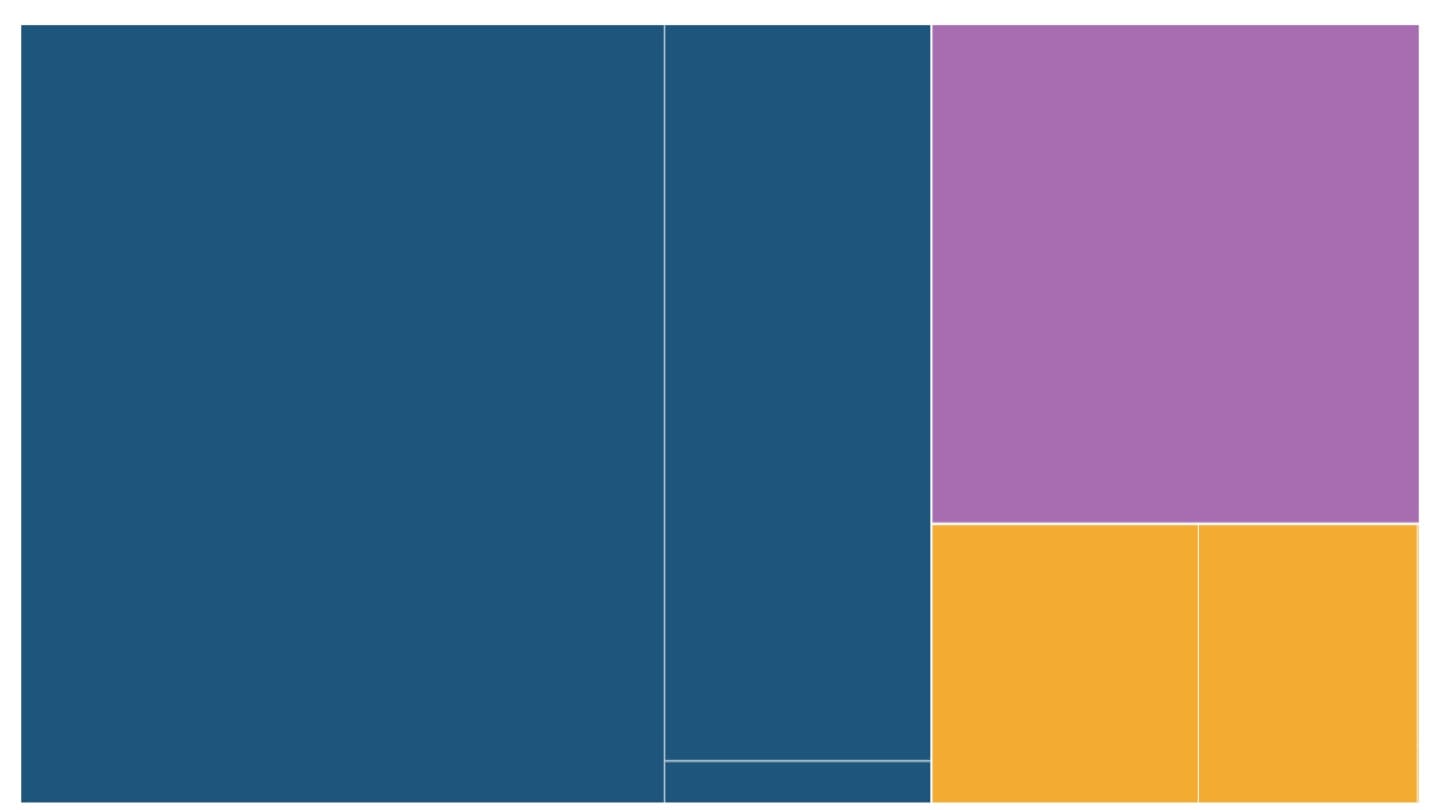
Here's how one of those skills (of obvious interest to us here at Data For India) broke down by age group:

It's not just that the share of Indians, and even the share of young Indians, with these skills is low relative to countries we'd like to compare ourselves with. It's also that we can't automatically assume, as we might do with most big shifts, that it's just a matter of time before this changes.
Over the last two decades, the share of households who own computers (which includes laptops) grew from just over 1% to just over 9%, with even lower numbers in rural areas. There's a lot that you can do on a phone, but many of the skills identified by the SDGs are probably best done on a larger screen.
Whether the big shift ahead is going to be more Indians being able to achieve these ICT skills, or a re-evaluation of what the most useful skills for the future are, though, is something to be seen.