Over the last few months, my colleagues at Data For India have been looking closely at data on India's manufacturing workforce, an area in which there is great interest both in India and globally. Being able to look so granularly at this data has allowed us to unpack some of the priors we may have had about who really is doing India's manufacturing work.
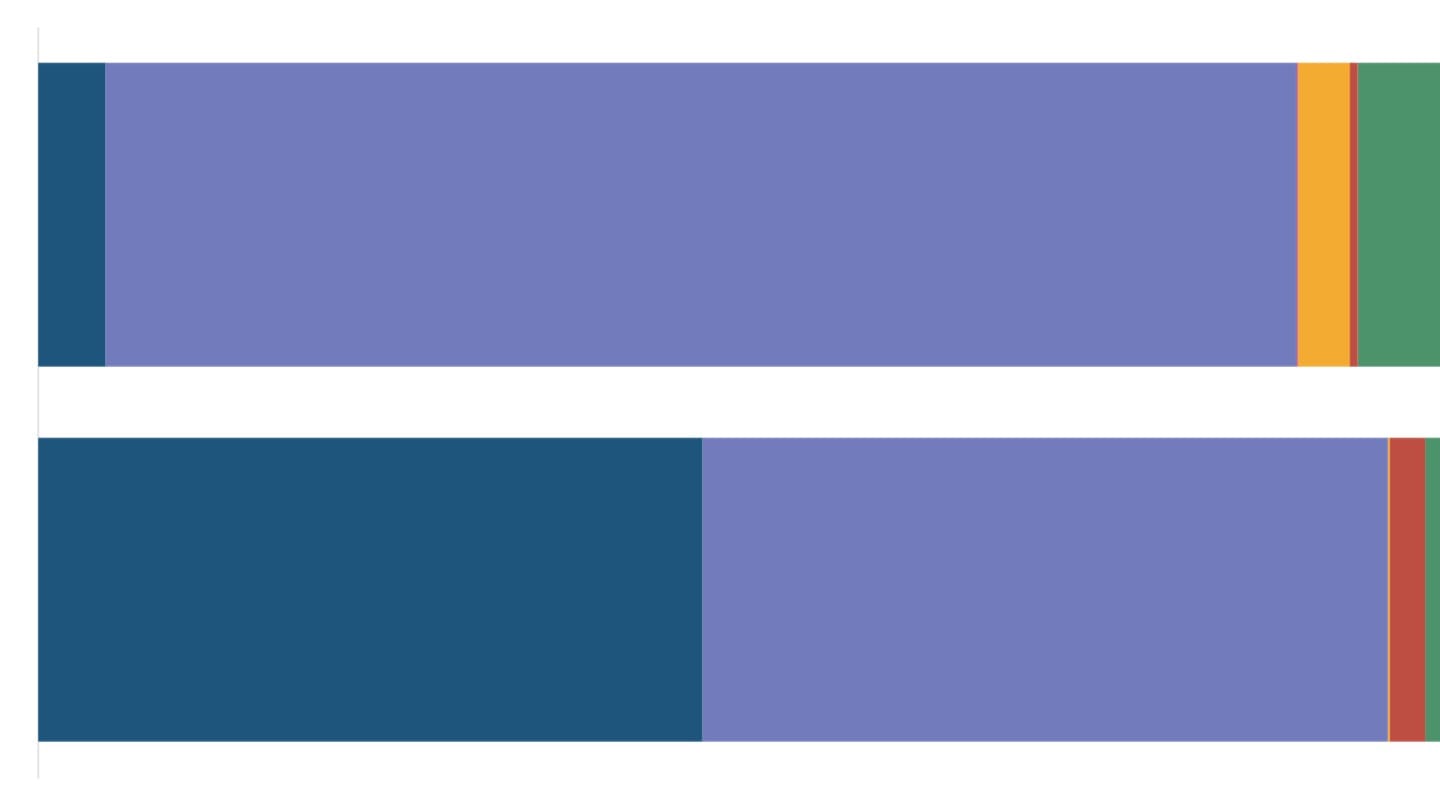
My vague impression of manufacturing before we got into the data was of an activity that involves salaried employment - that this is work done either in factories or in small informal units by groups of workers, even if they are small groups. The data for India overall does broadly seem to suggest that - manufacturing workers are most likely to be in salaried employment. But one of the data points we've been struck by is how large the share of self-employment is, and how different this is for men and women.
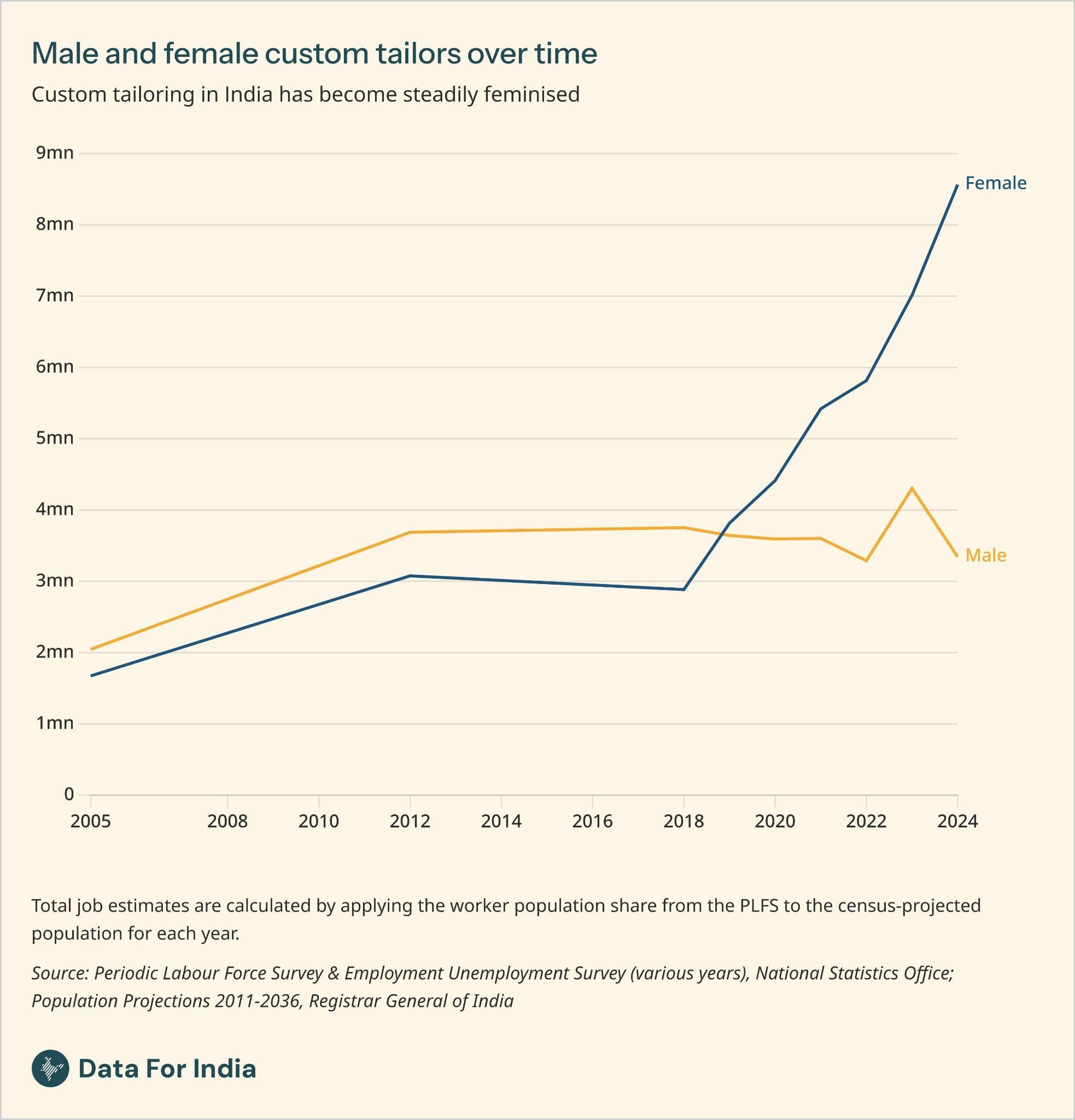
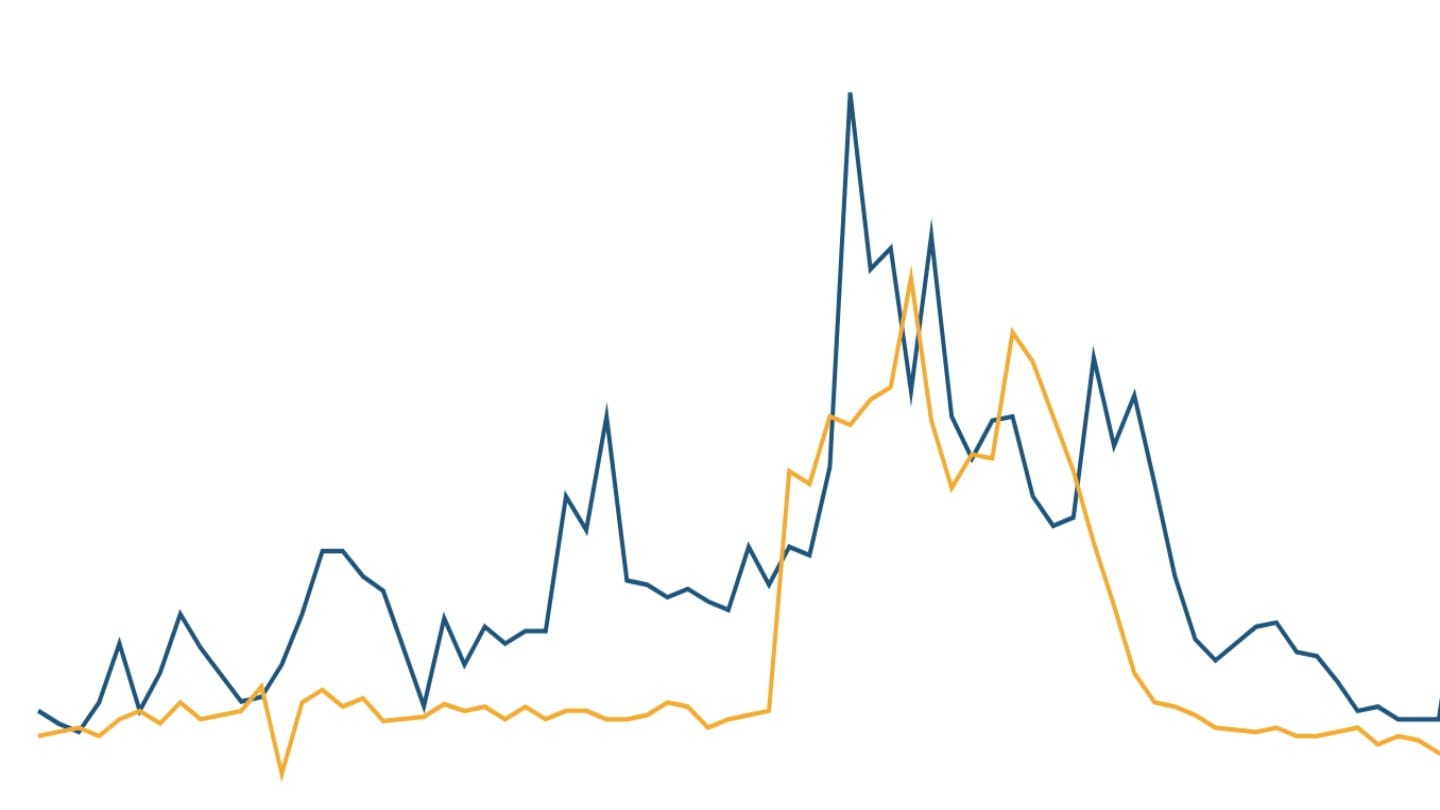
One of the big shifts that we've observed in manufacturing is an uptick in the last six years or so in the share of women workers, where they now make up more than a third of the manufacturing workforce. But what my colleague Nileena Suresh also saw was that most of this increase in manufacturing jobs for women has come through self-employment.

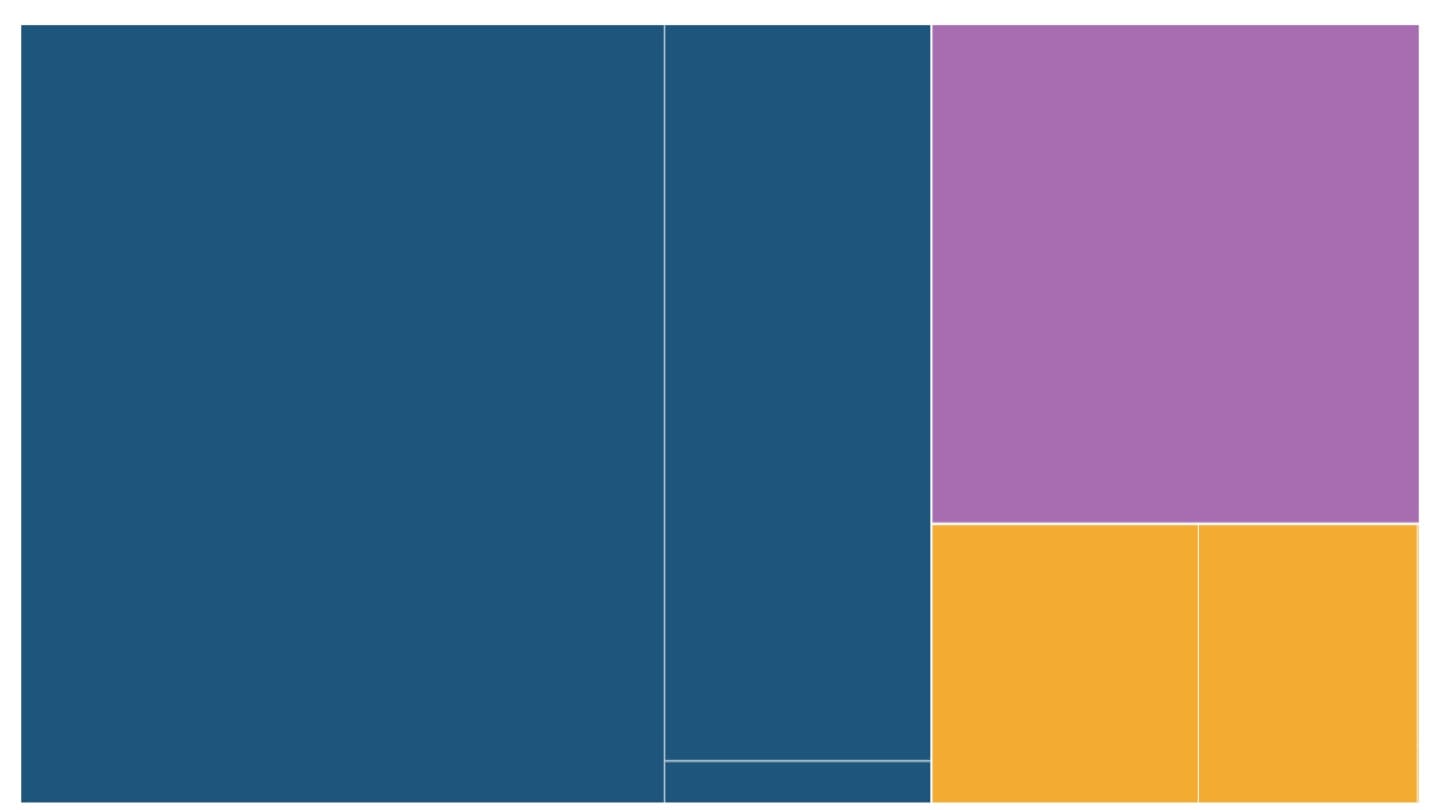
As you will see in the chart above, that's not what it looks like for men, for whom more manufacturing jobs have meant more salaried employment.
A rise in self-employment does not automatically mean 'good' or 'bad' things - it neither signals blossoming entrepreneurship immediately, nor does it necessarily mean employment of the last resort. My colleague Abhishek Waghmare has found that self-employment in India is associated with lower levels of education, and is less remunerative. However, particularly in the case of women, self-employment may allow for pathways into the workforce that are not otherwise open.
What the data that drives this big shift certainly does, though, is to force me to recalibrate my understanding of what manufacturing in India looks like, who is doing the work, and what her work life looks like.