Despite the fact that population growth in India has slowed, the population discussion in the country has been hijacked by the "explosion" bogey for so long that everything else - falling fertility, ageing, growing dependency - has got completely crowded out. One of the casualties of this is that we've never really reckoned with what a world with fewer and fewer children every year is going to feel like.
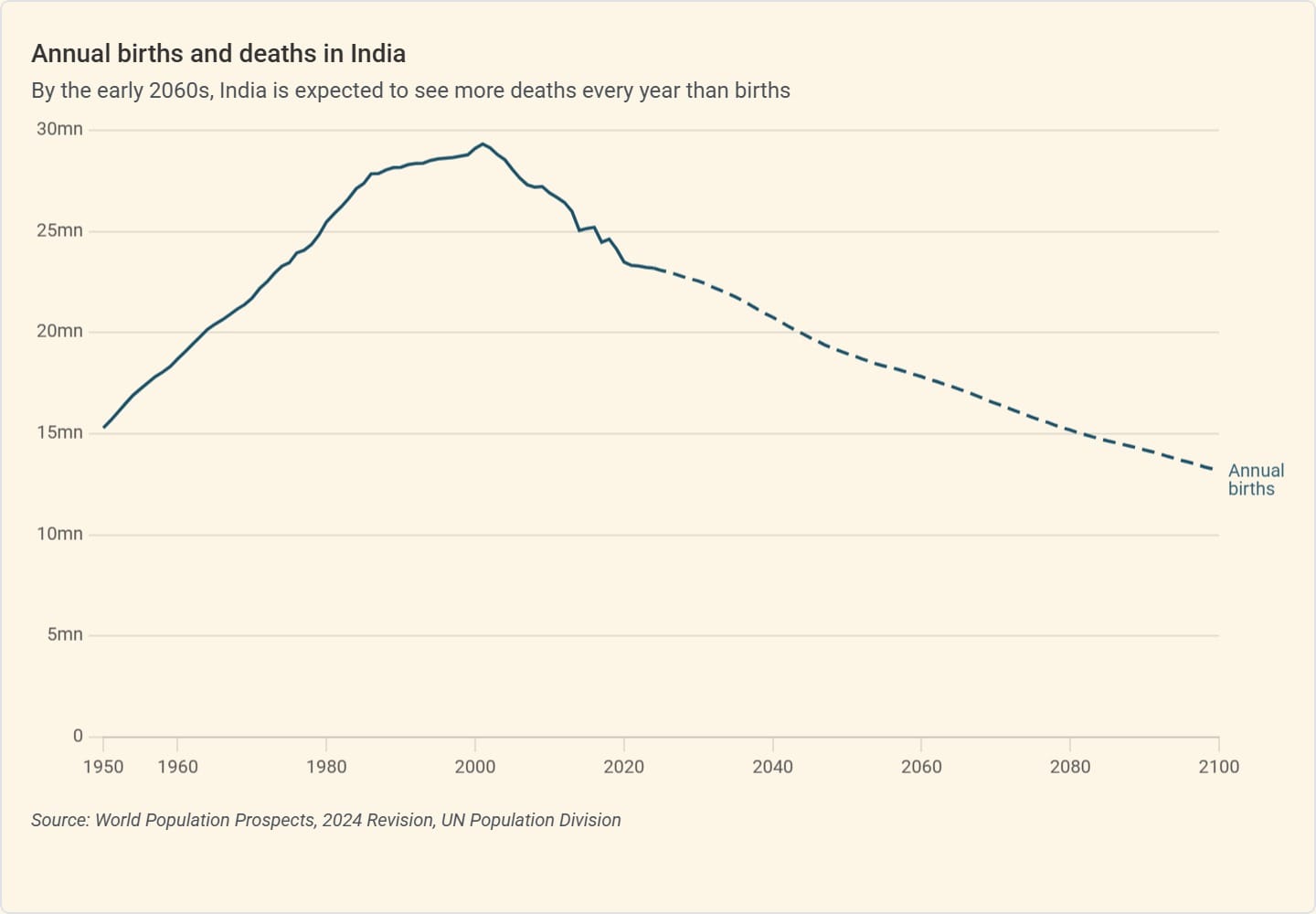
With falling fertility (the number of children a woman has on average), the absolute number of children born every year in India began to decline from the early 2000s, as I wrote in this piece on India's population growth. At its peak at the beginning of the millennium, roughly 30 million babies were born every year in India. From there, we are now already down to roughly 23 million babies born every year, and this number is projected to continue to decline.
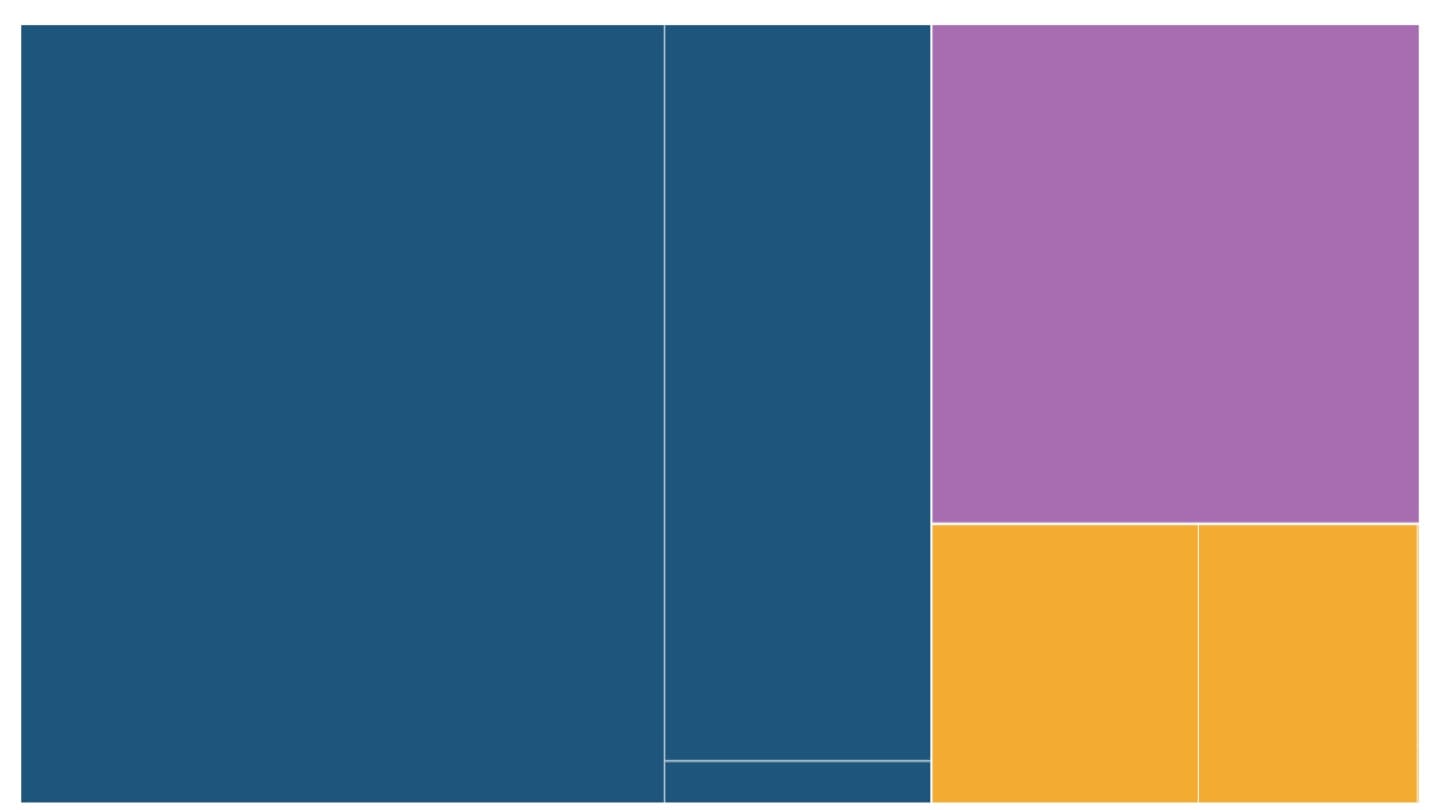
As an obvious result, India's child population - the number of children between the ages of 0 and 14 in the population - began to steadily decline from around 2010 onwards. At its peak, India had nearly 390 million children between the ages of 0 and 14 out of a population of 1.24 billion people at the time. If the country were to be divided into 15-year age-groups, it was the child population that was the largest segment at the time.
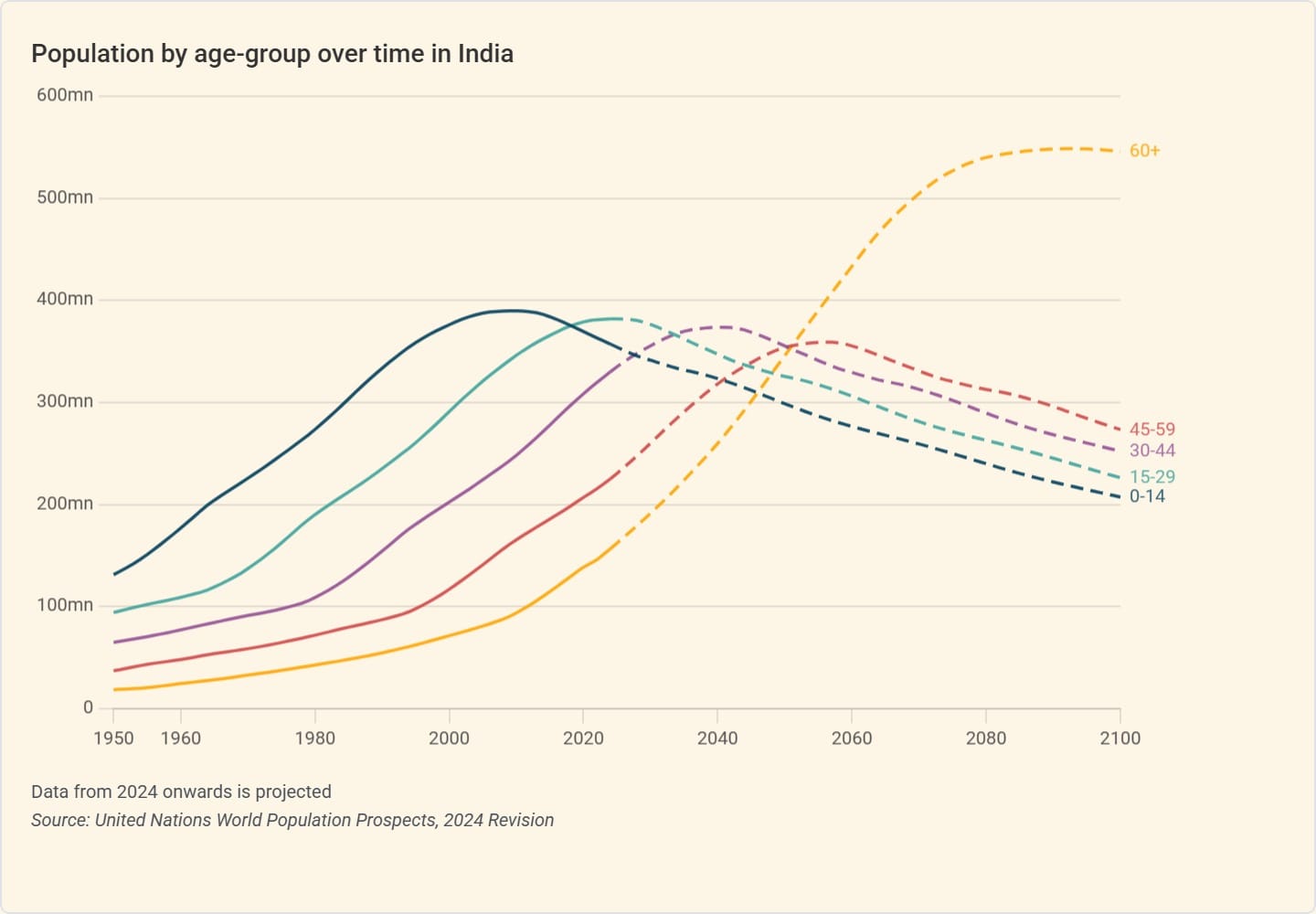
India's child population is now down to 354 million, lower than the number of 15-29- year-olds, and nearly the same as the population of 30-44-year-olds. Children are no longer the age group you are most likely to see around you.
Beyond numbers, this has implications for society. School enrolment, for instance, is something that we're going to see decline in absolute numbers, which could also lead to school closures. In many small and big ways, we're going to have to slowly (or quickly) re-orient ourselves to a world that has far fewer children in it.
The global fertility conversation can be quite toxic, and I've tried writing a little about it from an Indian data perspective here. In terms of a big shift, this one's about as big as it gets - a fundamental realignment of the world as we knew it, the people who make it up, and what it means for the future.