When it comes to big shifts in population, our frame of reference is often Independence or soon after. I compare life expectancy or child mortality in the 1950s or 1970s with what it is today to show what a long way we have come. But here's a big shift that's happened in less than 30 years.
Large families are becoming increasingly uncommon in India, I find in this piece on the age at which Indian women are having their children.
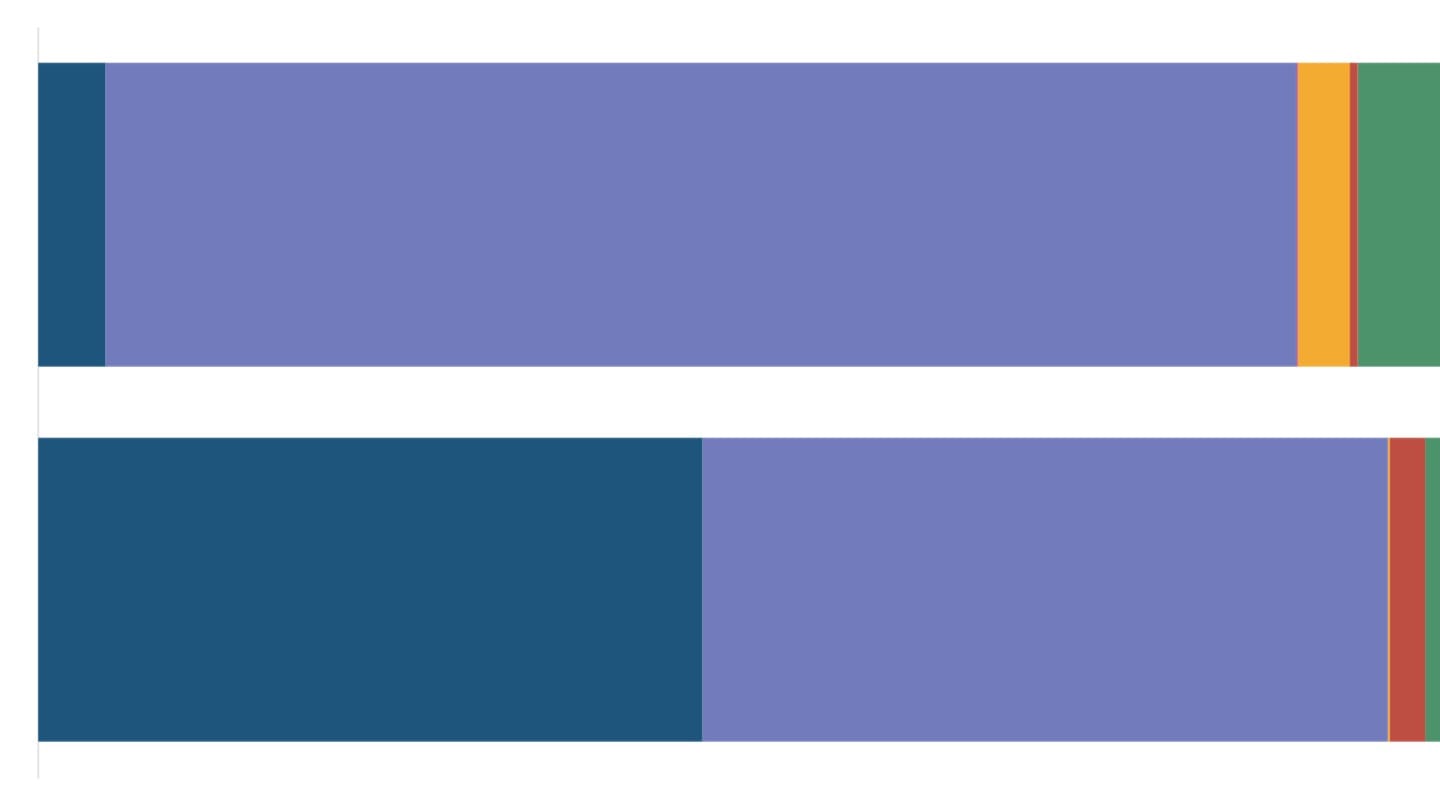
In 1993, more than one in every four mothers had five or more children. By 2021, fewer than one in every ten mothers had five or more children.

Many of us have seen this change within our own families. My in-laws, for instance, each had parents who belonged to ten-sibling households. My in-laws themselves are from five-sibling families. They, on the other hand, had two children, as did my parents. I'm sure many of you have seen a similar shift in your own families.
Still, it's striking to see the same pattern reflected in national data.
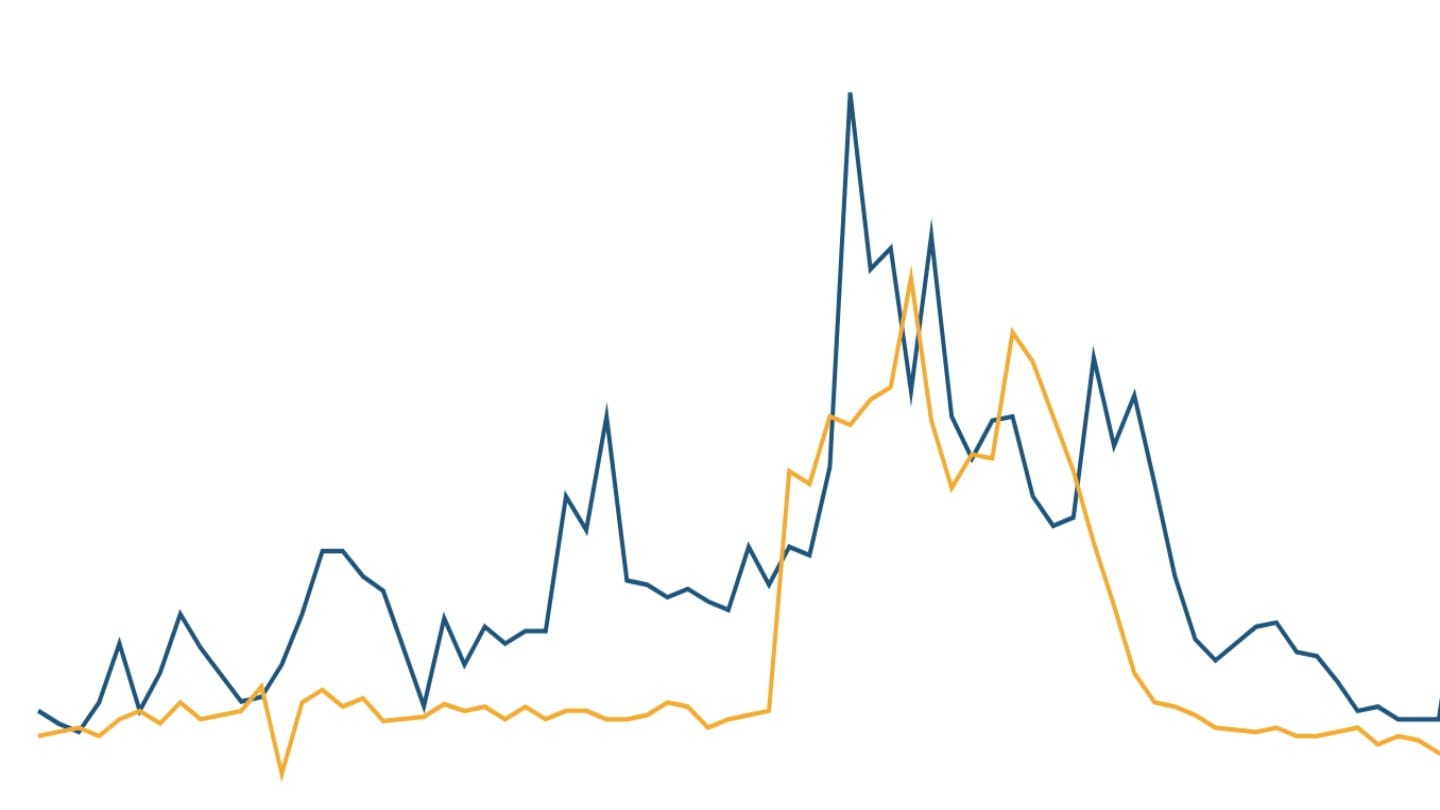
We knew that this was on its way. India's Total Fertility Rate - the average number of children a woman is expected to have in her lifetime - began to decline from the 1960s, and has now dropped below 2.0, I wrote here. As a result, the absolute number of children born every year in India began to fall from the early 2000s, I wrote in this piece on population trends. By the mid-2060s, the number of deaths every year is projected to outpace the number of births every year, I find, after which India's population will begin to decline. Going by current trends, this could happen even sooner.
As always, though, progress is happening everywhere, but the pace of that progress varies considerably. The poorest families are most likely to also be the largest families, I find. In poorer states, additionally, a quarter of mothers still have five or more children, while in the richer southern states, this is extremely rare.

The writing on the wall, however, is clear. The era of The Great Big Indian Family is over, and with this big shift is a new set of economic, social and political realities to grapple with.