One of the most exciting parts of working at Data For India is that we work directly with unit-level data. What this means is that we work with the (non-personally identifiable) responses of every surveyed individual in large government surveys, and not with aggregate or summarised data. The exciting part of this is that it allows us to look at the moving parts of a whole where there may be a big shift, even if it sometimes appears as if the whole has not moved much at all.
Take self-employment in India. As my colleague Abhishek Waghmare writes in this piece for us, more than half of India's workers are self-employed, but this share has not changed much since the 1980s. But within self-employment, there are three broad categories, and here, things have changed quite dramatically.
Self-employment is categorised into three types - own-account workers who run their own enterprise without employees, employers who run the enterprise by hiring paid employees, and unpaid helpers who work in a household enterprise for no wages - Abhishek writes, using official Indian labour statistics.
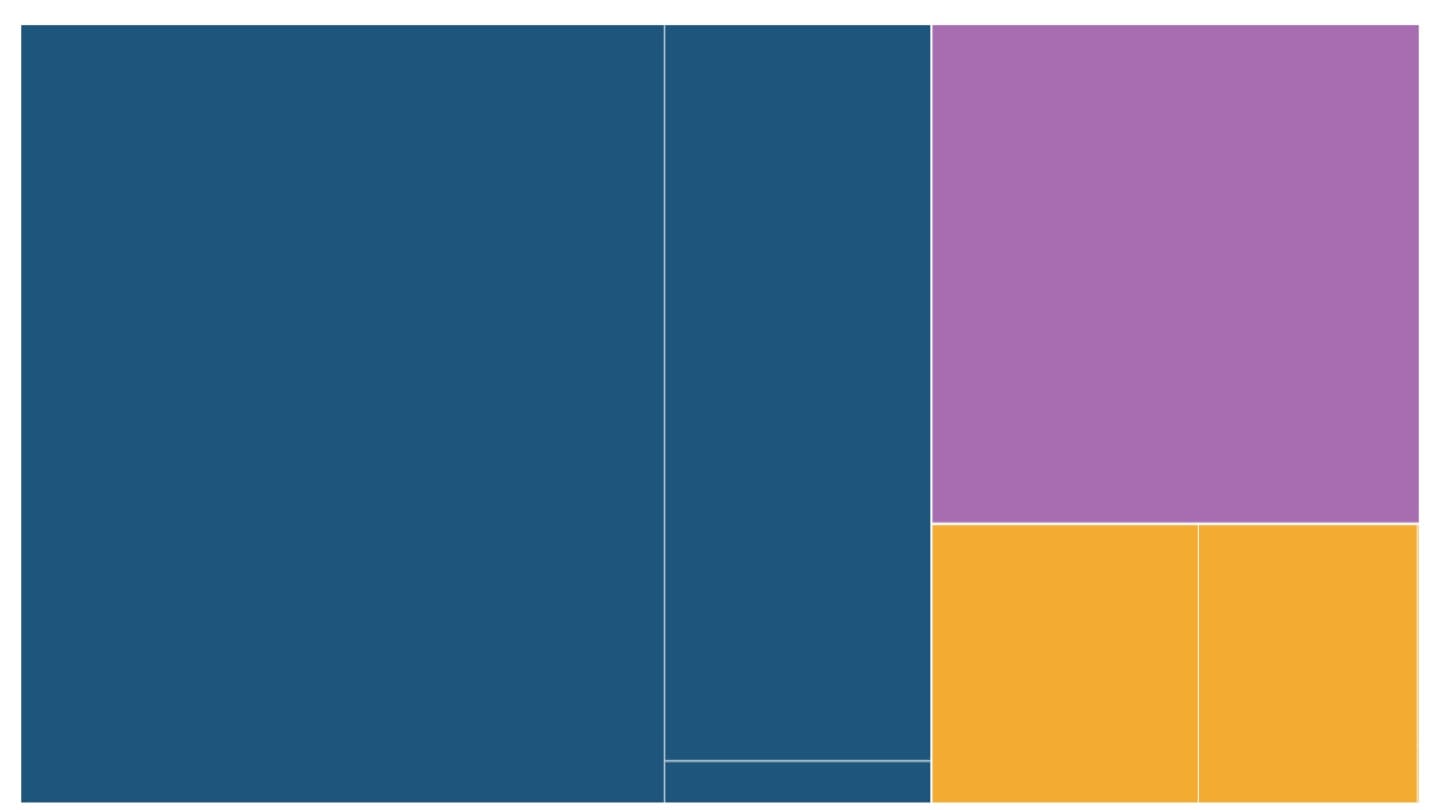
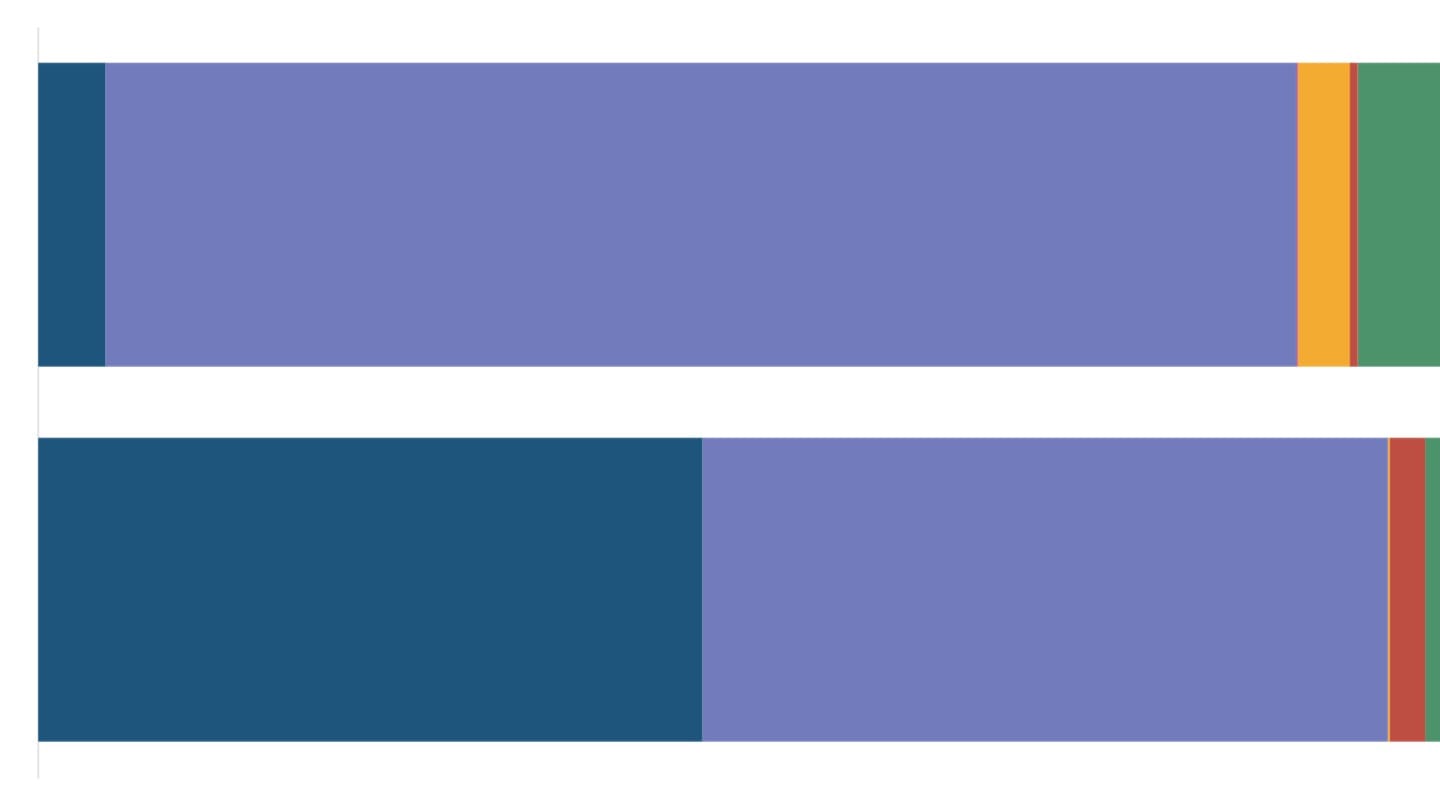
Most self-employed workers in India are own-account workers; only 6% of the self-employed hire other paid workers. However, there is a stark difference between men and women in the way they are self-employed.
Half of self-employed women are own-account workers who run an enterprise by themselves, while the other half are unpaid workers, who work for household enterprises for no wages, Abhishek finds. Among men, on the other hand, unpaid work is less common and being either an own-account worker or an employer of others is more common.
But this is changing.

The chart above shows that over time, the share of self-employed women getting paid for their work has grown, with own-account work rising for women, and unpaid helpers as a share of self-employment falling.
Abhishek is quite careful in his work to not ascribe more to this than the data warrants - although he notes that the self-employed tend to have lower levels of education and make less in labour incomes, he does not call self-employment 'employment of the last resort', as some analyses are quick to conclude. Instead, what unit level data allows us to do is to note the subtle big shifts within a larger canvas.