Vocational and technical training refers to the set of practical skills people need to do specific kinds of work. These are the physical and mental abilities required to perform tasks using particular tools, techniques, or processes in an occupation.[1] In simple terms, these are the skills that make someone employable. Unlike a conventional educational degree, which focuses largely on theoretical knowledge of a subject, vocational training aims to teach someone how to actually do a particular job.
This distinction becomes important when discussing India's skill gap. A skill gap arises when people who may have the necessary educational qualifications, lack the practical ability to perform a job effectively.[2] This gap, therefore, lies not in education alone but in the mismatch between what people know and what jobs require them to know.
Just 4% of working-age Indians have received formal vocational training, while 30% have received informal vocational training.
How people learn job skills in India
In India, vocational and technical training includes both formal and informal ways of acquiring these skills.[3] According to the Periodic Labour Force Survey (PLFS), formal vocational training refers to structured courses that have a defined curriculum and provide certification.[4] These include programmes run by different ministries, short-term skill development courses under the National Skill Development Corporation (NSDC), apprenticeship training, Recognition of Prior Learning (RPL), and training programmes run by industry. These programmes are typically paid courses designed specifically to teach job-related skills.
Alongside this, a large amount of skill learning happens informally. Informal training takes place in everyday settings, within families, workplaces, communities, or through personal initiative. It is usually not structured, does not follow a formal curriculum, and typically does not lead to a certificate. This includes hereditary skills passed down within families such as farming, managing a shop; self-learning such as cooking; learning while working on the job such as carpentry and car repairing, and also short-term training that is not formally recognised like video editing, data entry and others. For most people, especially those outside formal education systems, this is how skills are actually acquired.
It is also important to distinguish vocational training from vocational education. Vocational education typically refers to formal educational institutions such as Industrial Training Institutes (ITIs), polytechnics, or diploma programmes that are part of the education system.[5] Vocational training, on the other hand, includes a broader set of skill-building activities, many of which take place outside formal educational pathways.
How common is vocational training?
Despite the importance of skills for employability, only about 4% of Indians, or about 36 million people aged 15-59, report having received formal vocational training. This is a much smaller share when compared with 52% in the United States, 80% in Japan, and 96% in South Korea in 2015.[6] Informal training, however, is much more widespread. About 30% of people in this age group report having received informal training.
Formal training is slightly more common in urban areas than in rural areas. Informal training shows the opposite pattern, about one-third of people in rural India report receiving it, compared with roughly one-quarter in cities. Across both regions, roughly two-thirds of people report no form of vocational training.
Vocational training patterns are different among men and women. Overall, women are about as likely as men to receive formal training, but are less likely to receive informal training, which often happens in workplaces or through apprenticeships. Formal training is slightly more common in cities than in rural areas, where informal skill learning is higher.
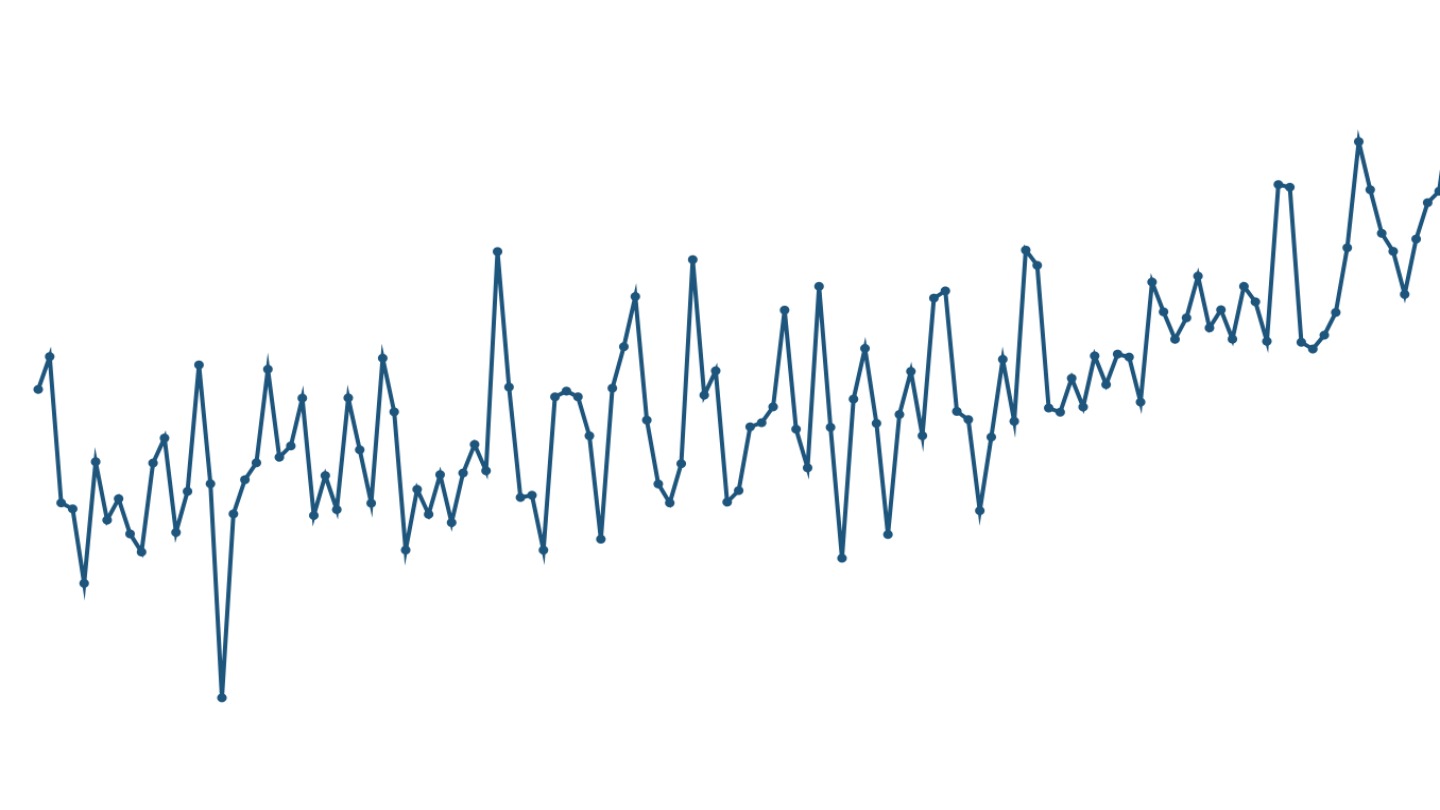
The share of people with vocational training has grown, but this change is driven by more informal than formal training. Since 2018, the share of people reporting informal training has increased sharply, from 6% to 30% by 2024. Formal training has also increased, but much more slowly, from around 2% to about 4% in the same period.
Who is accessing vocational training?
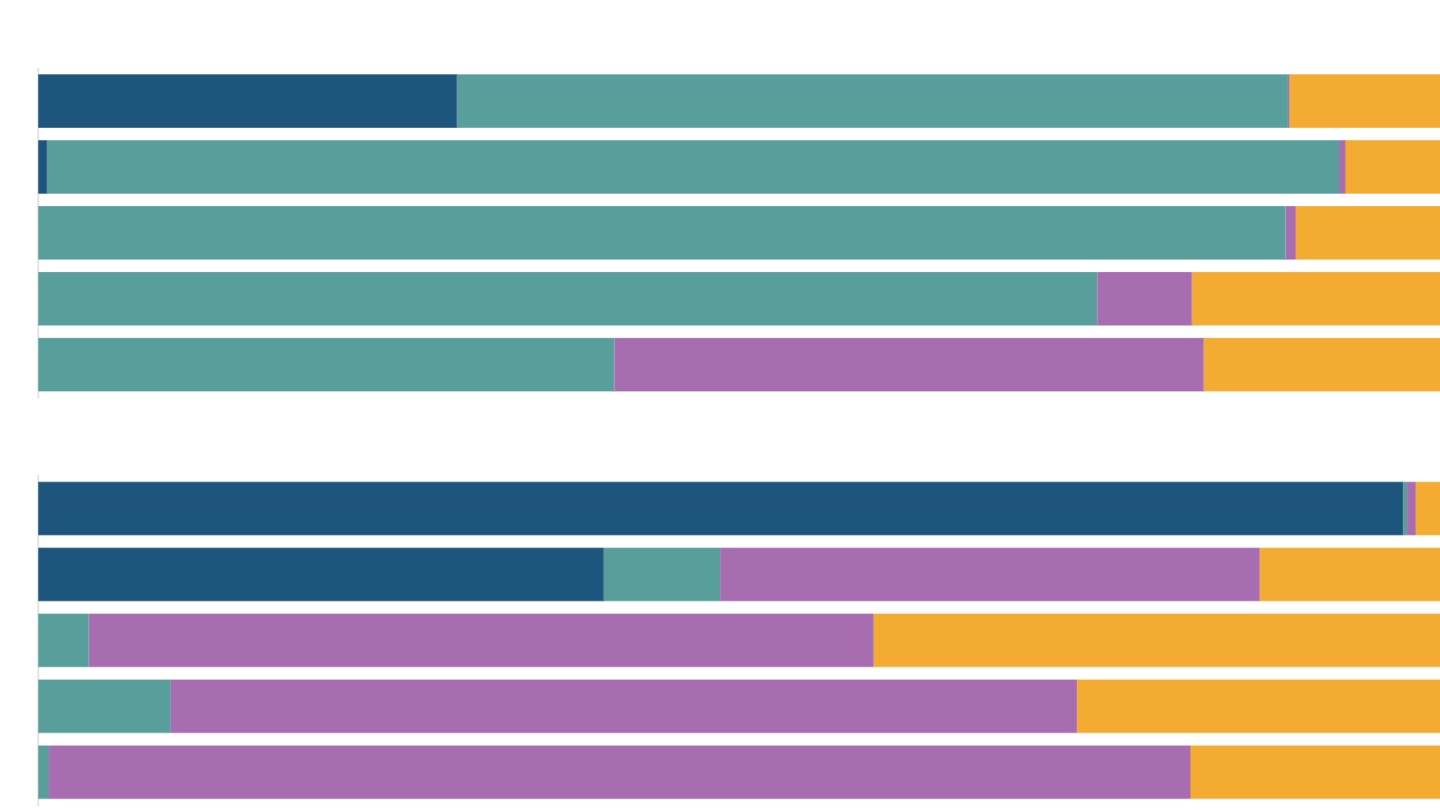
One striking pattern in India is that formal vocational training is more commonly accessed by people who already have higher education. More than half of those who report formal training are graduates or have higher educational degrees.[7] People with more education are more likely to receive formal, structured training, while those with lower levels of education often acquire skills informally through work and everyday life.
What types of vocational skills are people acquiring?
Informal training
Much of informal vocational training happens through traditional or workplace-based avenues. Hereditary learning, or skills passed down within families, is the most common form, particularly in rural areas where nearly half of those with informal training report acquiring skills this way. In cities, on the other hand, almost half of those who receive informal training say that they learn on the job, picking up skills directly through work rather than through structured instruction.
Formal vocational training
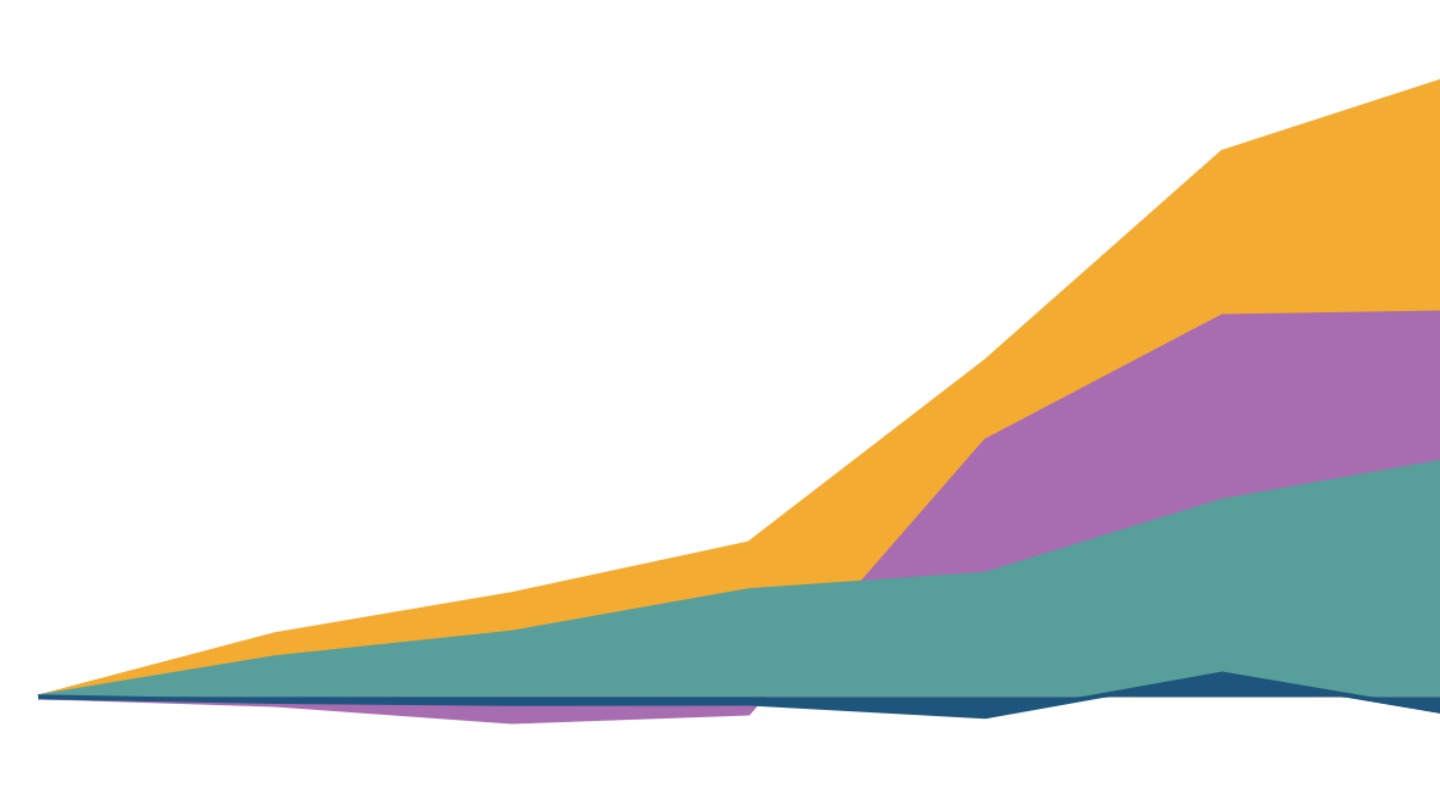
The type of formal skills people enroll for also vary. Among those who receive formal vocational training, courses related to IT and IT-enabled services (ITeS) are the most popular, particularly since 2012. At the same time, traditional technical fields such as mechanical and automotive trades have seen a decline in their share of trainees. This shift reflects broader changes in India's economy, where service sector jobs have grown rapidly and digital skills are increasingly in demand.
The choice of training field also differs across gender and income groups. Textile-related training is more common among women, particularly those from poorer households. Among women from relatively wealthier households, IT and ITeS courses are more common.
There are also differences across industries where trained people work. In the services sector, formal training is more common. In contrast, sectors such as transport, manufacturing, and many traditional trades rely more heavily on informal training, where skills are learned directly through experience rather than in classrooms.
Employment outcomes after vocational training
The key purpose of vocational training is employment, and the type of training people receive is linked to the kind of work they eventually do. Among those who have received formal vocational training, nearly three out of five workers are in salaried jobs. In contrast, those with informal training are much more likely to be self-employed. Self-employment often comes with lower and more uncertain incomes, along with fewer protections such as job security or employment benefits.[8]
Workers with formal vocational certifications tend to earn significantly more among salaried employees, especially in urban areas. The median monthly income of a formally trained worker is more than 50% higher than that of workers who are informally trained or untrained. However, this advantage is not there among those who are self-employed.
Even among those who have received formal training, stable employment is not guaranteed. More than half of formally trained workers are employed in the informal sector, where jobs are typically less secure and benefits are limited.
[1] National skill gap study for high growth sectors (2025), Ministry of Skill Development and Entrepreneurship.
[2] National skill gap study for high growth sectors (2025), Ministry of Skill Development and Entrepreneurship.
[3] For convenience, vocational and technical training is referred to as vocational training in the rest of the article.
[4] Periodic Labour Force Survey 2023-24, National Sample Survey Office.
[5] Instructions to Field Staff, PLFS Vol I 2023-24, National Sample Survey Office.
[6] Status of Vocational Education and Wage Gap in the Indian Economy (2025), Sharma, Beher, et al., Indian Journal of Labour Economics.
[7] The PLFS records the highest level of education completed by household members, including general, technical, and vocational education. If someone has a vocational education qualification equivalent to a graduate or postgraduate degree, they are classified under "higher education" in this analysis.
[8] Self-employment, Abhishek Waghmare, Data For India.