The availability of healthcare workers is a key measure of the effective functioning of a country's health system. It reflects not just access to care, but also the capacity of the system to support its population.
In India, modern medicine developed alongside traditional systems of healthcare and medicine during the colonial period. Much of the population historically relied on healthcare workers who belonged to these largely fragmented and informal traditional systems.[1] While that reliance continues in many places, over time, India has also built a much larger and more formal healthcare workforce that includes professionals like nurses, midwives and doctors who deliver essential healthcare services.
Who are India's healthcare professionals?
India's Ministry of Health and Family Welfare (MoHFW) records about 5.7 million healthcare professionals in India.[2] This includes registered doctors, registered nurses and midwives, and registered AYUSH (Ayurveda, Yoga and Naturopathy, Unani, Siddha, and Homoeopathy) practitioners.[3]
Nurses include not just registered nurses and midwives, but also Auxiliary Nurse Midwives (ANMs), and Lady Health Visitors (LHVs).[4] India's healthcare system also trains, recognises and employs AYUSH doctors, who are formally trained in traditional systems of medicine including ayurveda, unani, siddha, naturopathy, sowa rigpa[5] and homeopathy.
This article focuses only on these registered professionals. It does not include other healthcare professionals such as pharmacists and dentists. It also excludes healthcare workers like lab technicians, hospital support staff and community-level workers such as Anganwadi workers and Accredited Social Health Activist (ASHA) workers.[6] While registered professionals are systemically counted at the national level and can be disaggregated by state, similar data for the other groups is not available with the same level of detail or accuracy.
At the same time, healthcare in India relies on a much wider network of workers beyond those counted here.[7] At the grassroots level, it is often not these registered professionals who people interact with most, but a network of frontline workers who play a critical role in delivering and supporting healthcare within communities.
How many registered healthcare professionals does India have?
India has about 41 registered healthcare professionals for every 10,000 people, including doctors, nurses and midwives.[8] This is close to the World Health Organization's (WHO) suggested threshold of 44.5 per 10,000 people needed to meet healthcare-related sustainable development goals.[9] However, despite nearing this benchmark, the distribution of health professionals remains uneven across states and between urban and rural areas.
This WHO threshold, combining the number of physicians, nurses and midwives, is based on estimates of the skilled workforce needed to provide a basic range of health services across maternal and child health, and non-communicable and infectious diseases, in order to achieve universal health coverage. The WHO did not include other healthcare professionals, such as community or allied health workers, on account of limited data availability for modelling and estimation.
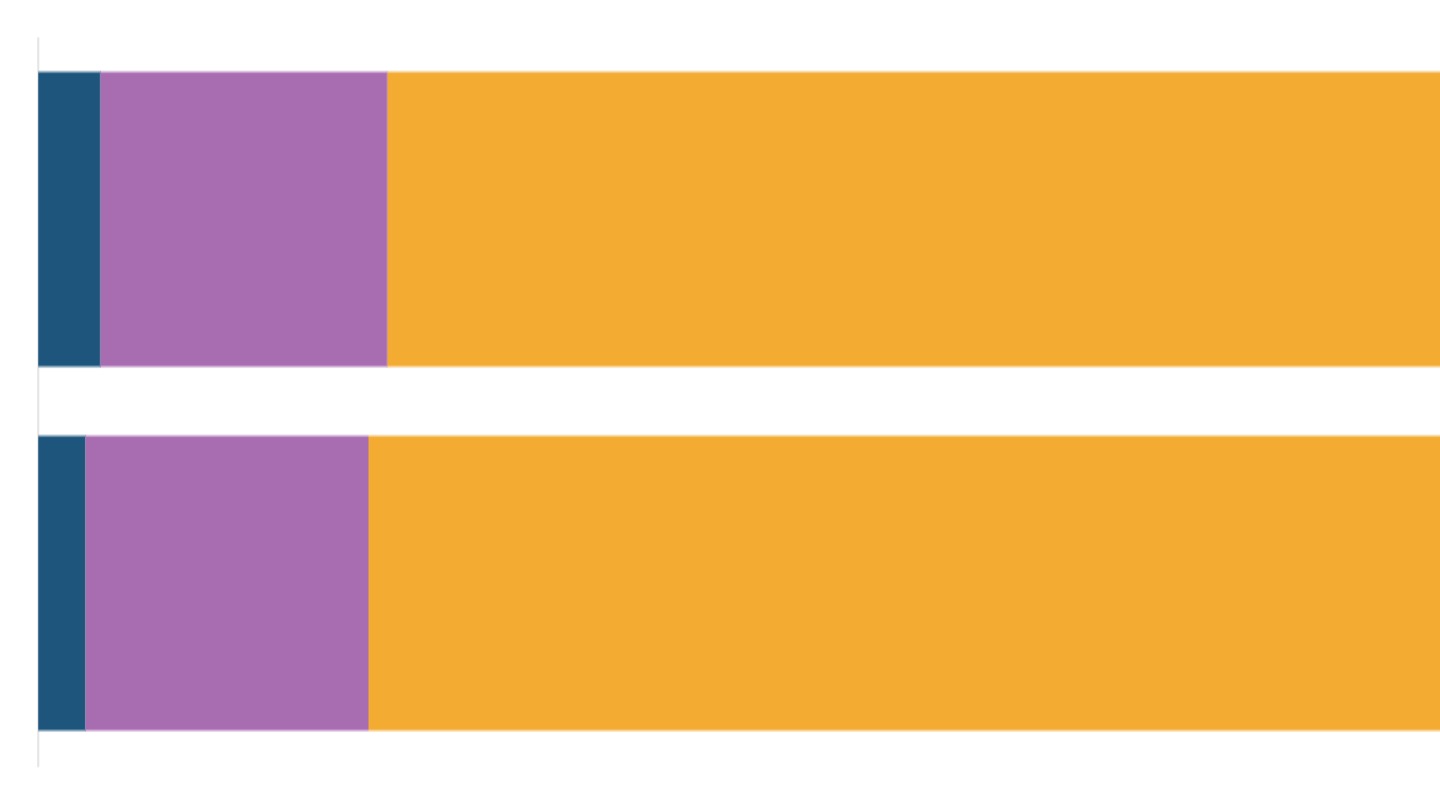
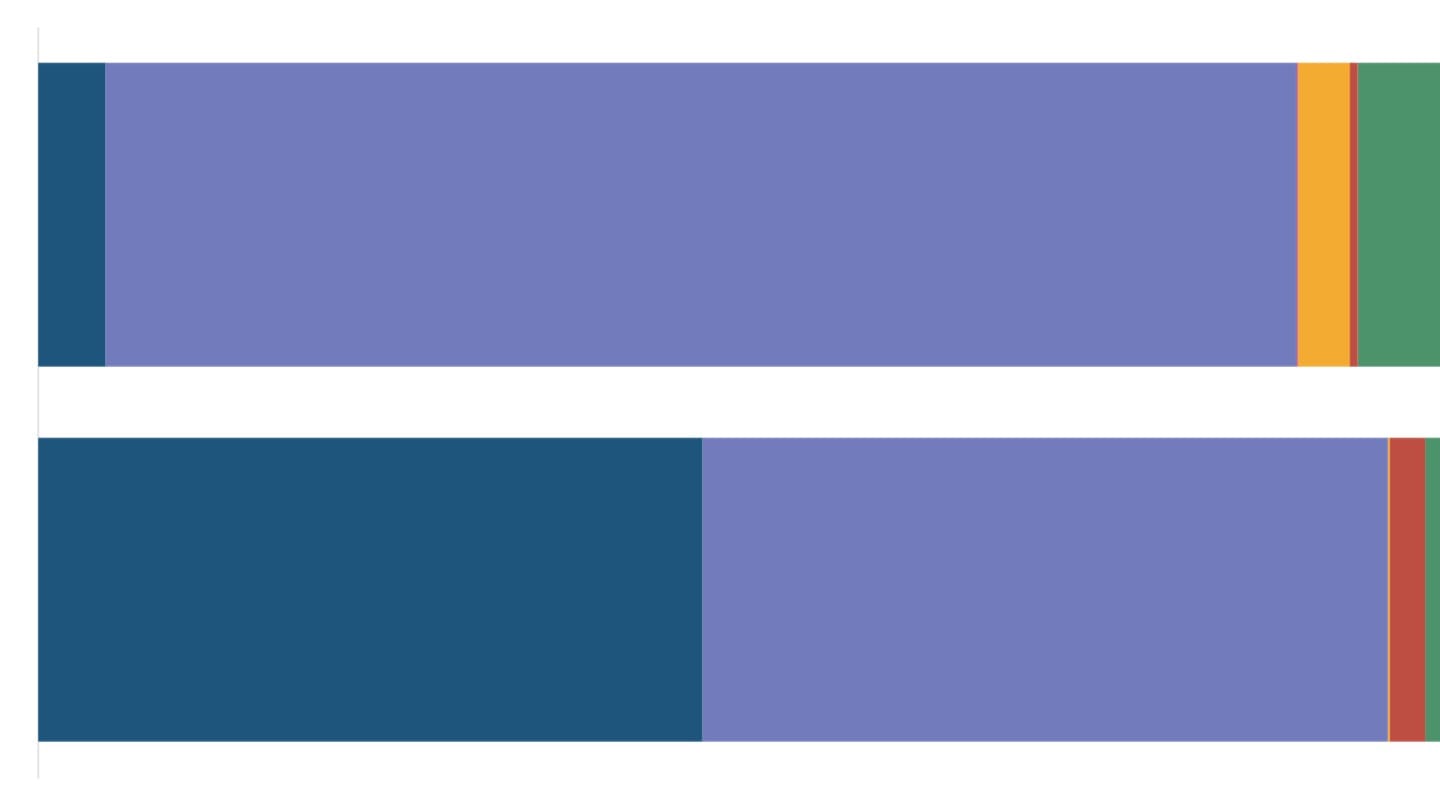
More than half of these professionals are nurses and midwives. For every ten doctors, there are roughly 17 nurses and midwives.
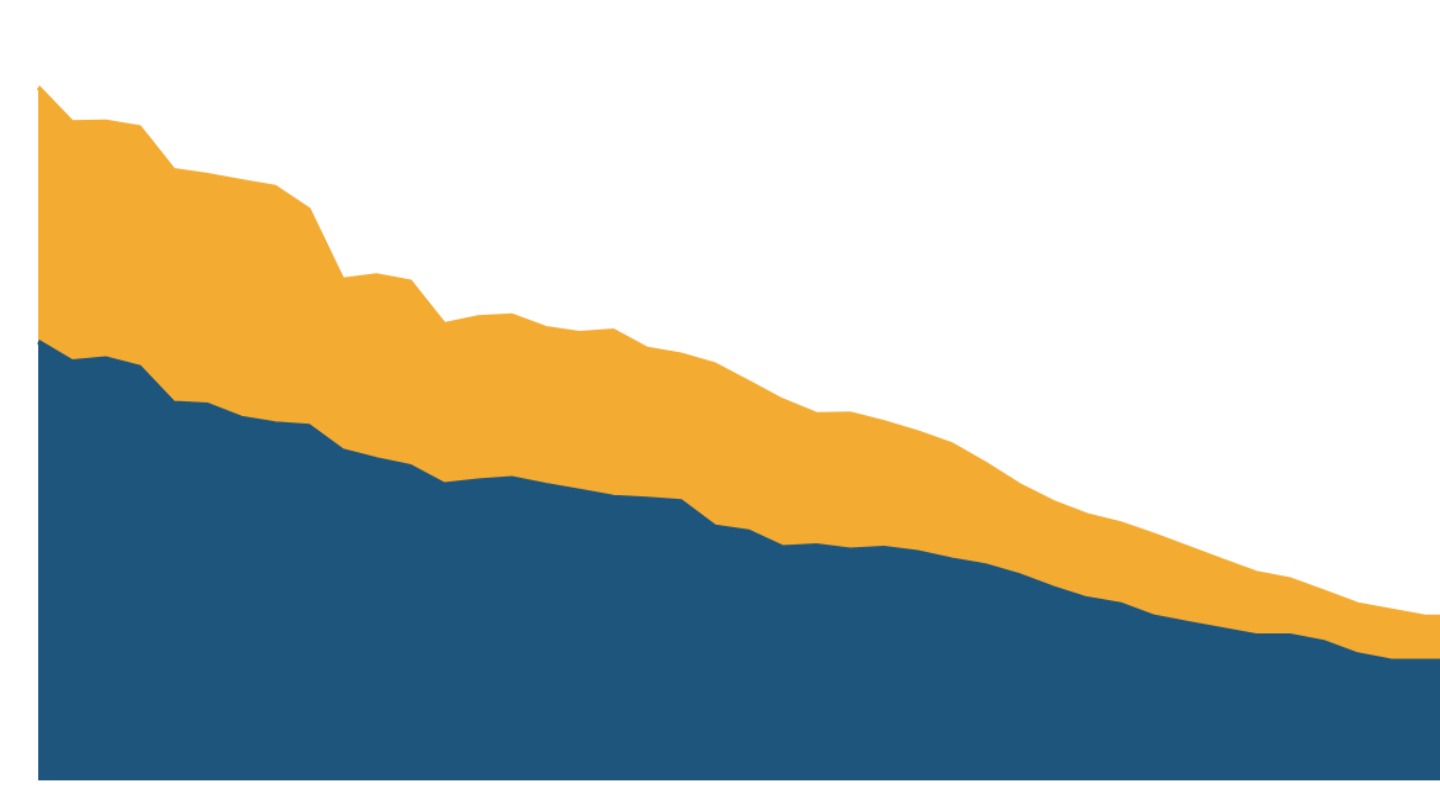
The number of healthcare professionals relative to the population has been growing over time, a large share of this growth being recent. Among different types of healthcare workers, the number of registered nurses and midwives has seen the largest increase in the last decade, almost doubling between 2012 and 2023.
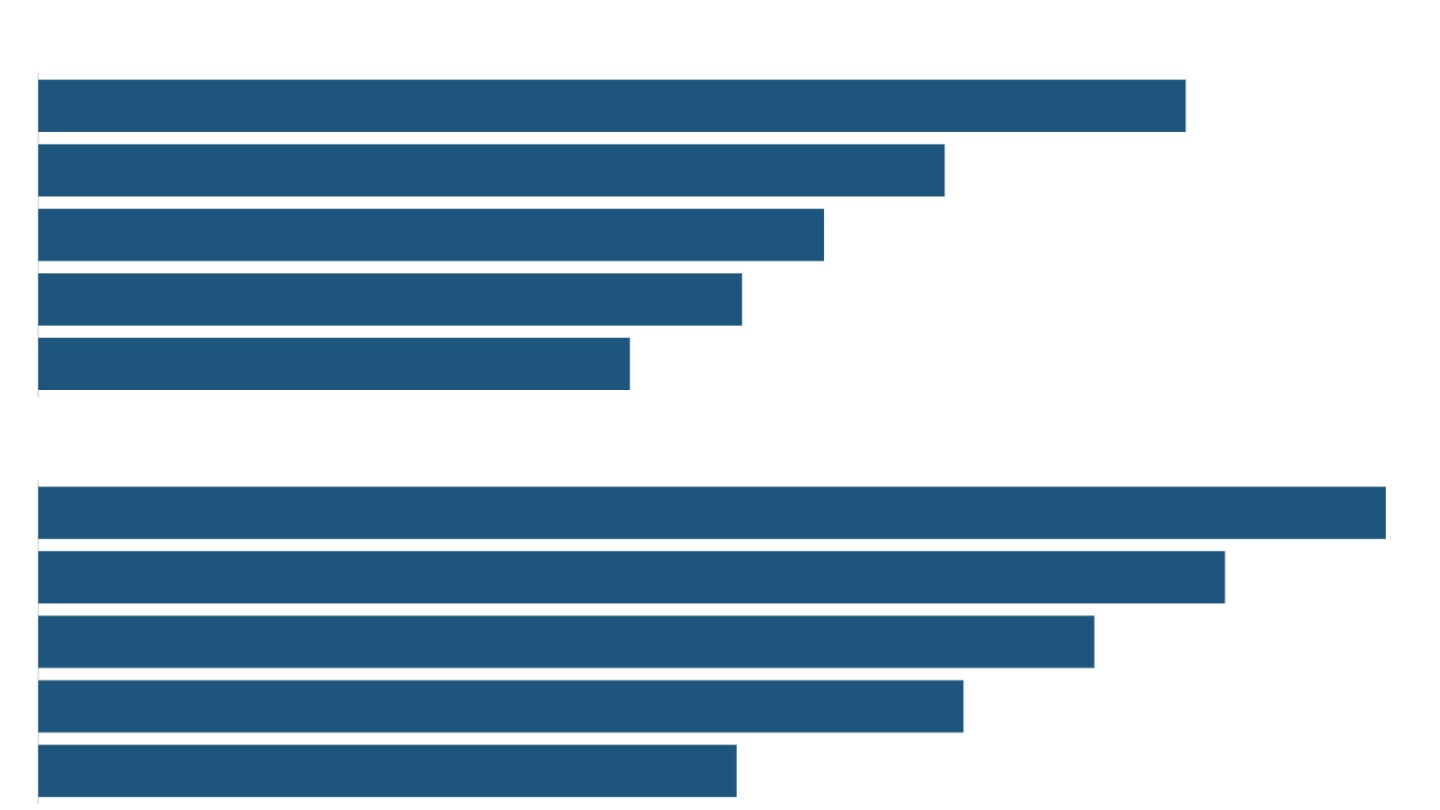
India performs better than neighbours like Bangladesh and Sri Lanka when considering the combined number of doctors, nurses and midwives, despite Sri Lanka having a higher number of doctors per population.[10] However, India lags far behind the developed world, with the number of doctors relative to population in several European countries being over three or four times the Indian average.
State-wise distribution of healthcare professionals
To practise in a state, doctors, nurses and midwives must be registered with the relevant state medical or nursing council. The number registered in each state provides a sense of the availability of healthcare professionals there. This varies widely across states.
More than half of all healthcare professionals in the country are registered in Maharashtra and the southern states of Kerala, Tamil Nadu, Andhra Pradesh and Karnataka.
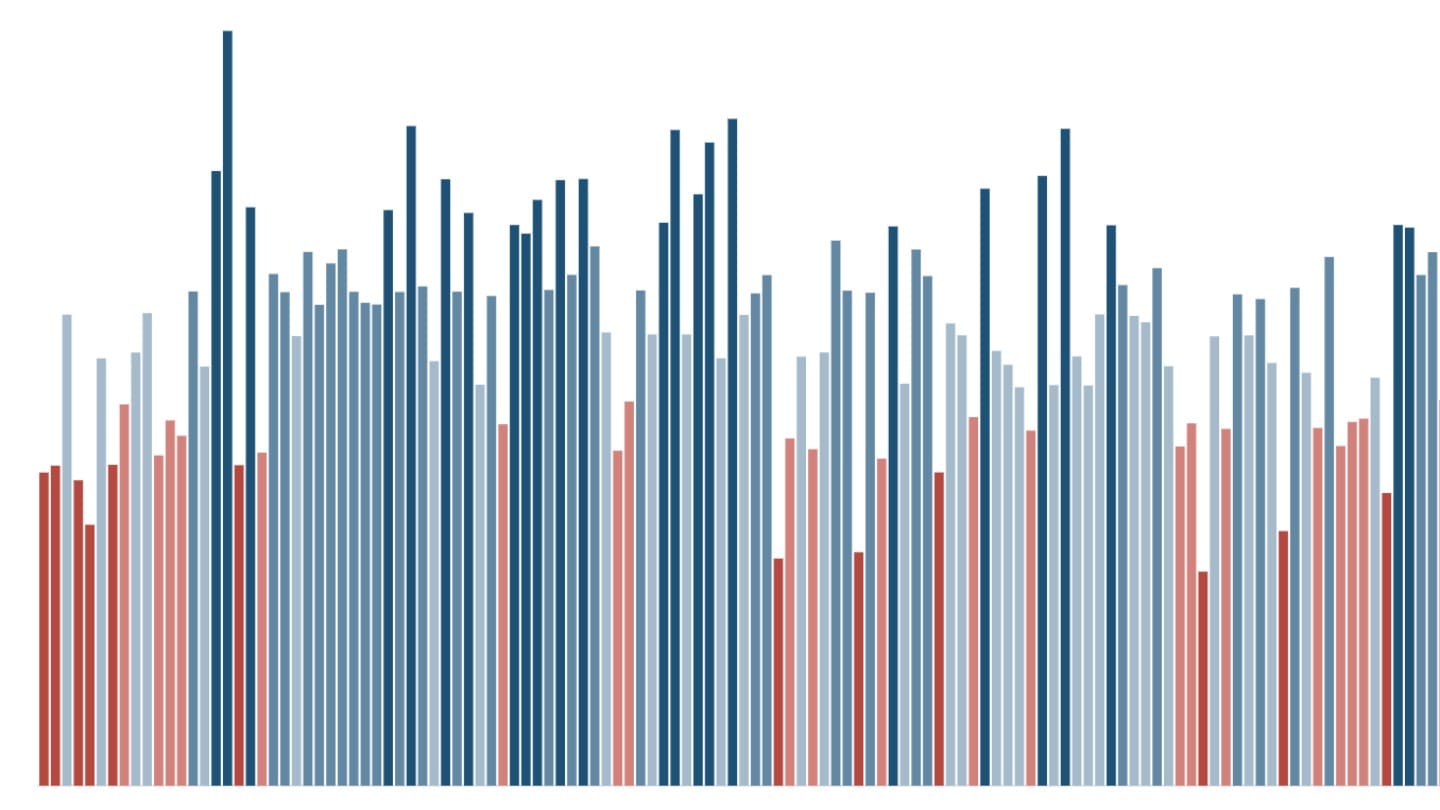
Relative to population, however, states like Kerala, Arunachal Pradesh and Andhra Pradesh have more professionals per 10,000 people.[11] Bihar, Uttar Pradesh and Jharkhand have some of the lowest number of health professionals per population, with fewer than 20 professionals per 10,000 people.
The balance between doctors and nurses also differs across states. While, on average, there are more nurses than doctors in India, this balance is not consistent everywhere. Shortage of nursing staff can overburden the system and affect patient care.[12] For instance, in states like Maharashtra, Uttar Pradesh and Bihar there are fewer nurses than doctors, which can impact the quality of patient care.
The gap between urban and rural India
Although India's national numbers compare favourably with the global WHO norm, the distribution of healthcare professionals is not even. There is a clear gap between urban and rural areas, with more than half of India's healthcare professionals based in urban areas, where less than a third of the country's population lives. This means that there are fewer healthcare professionals available to attend to the rural population.
Since data on registered healthcare professionals is not available separately for rural and urban areas, we use estimates from India's Periodic Labour Force Survey data to analyse the rural-urban disparity. The PLFS captures active workers rather than just registered professionals and suggests that rural areas have only about ten healthcare professionals per 10,000 people.[13] In urban areas, this number is much higher, at around 30 per 10,000.
Most healthcare professionals also work in the private sector. For instance, only about 13% of registered allopathic doctors are employed in government hospitals.[14]
Research suggests that this skewed distribution of qualified professionals leads to an over-reliance on informal healthcare systems in poor, rural households.[15][16]
How many registered healthcare professionals are actively working?
Data from India's Ministry of Health and Family Welfare reflects the number of registered healthcare professionals. However, not all those who are registered are actively working in the system. Some may have retired, died, or moved abroad, while others may have shifted to other professions.
There is no single dataset that clearly captures how many healthcare professionals are currently active. Modelled estimates from WHO's National Health Workforce Accounts suggest that there are about 37 doctors, nurses and midwives for every 10,000 people.[17]
A study from 2017 suggests that about 73% of registered doctors in India may be active, even after accounting for retirement alone.[18] Applying this adjustment to the broader number would bring the total number of healthcare professionals down to around 4.1 million. This would reduce the number of professionals relative to population from 41 to about 30 per 10,000 people.
An analysis of the PLFS data suggests an even lower number.[19] Accounting for qualified professionals, the estimates are around 1.9 million active physicians, nurses and midwives combined. This would mean only about a third of registered professionals are actually in the workforce.
[1] Beyond medical pluralism: Medicine, power and social legitimacy in India (2019), V. Sujatha.
[2] National Health Profile 2023, Central Bureau of Health Intelligence (MoHFW).
[3] Registration of healthcare professionals is managed at the state level by multiple bodies. Doctors are registered with state medical councils, while nurses and midwives are registered with state nursing councils. AYUSH practitioners are listed in State Registers of Indian Medicine, maintained by their respective councils under the National Commission for Indian System of Medicine.
[4] Auxiliary Nurse Midwife is a skilled frontline health worker who is the primary contact point between the community and healthcare systems and is focused on maternal and child care; Lady Health Visitor is a senior ANM who monitors and guides the frontline workers like ASHAs, and oversees delivery of health programmes.
[5] Traditional medical system practised in Himalayan regions of Ladakh, Himachal Pradesh, Jammu and Kashmir, Arunachal Pradesh and Sikkim.
[6] ASHAs and Anganwadi workers are trained women from within local communities who provide healthcare services at the grassroot level, including promoting maternal and child health, family planning and other healthcare programmes.
[7] Community Health Workers as Influential Health System Actors and not "Just Another Pair Of Hands" (2020), Kane, Radkar et al, International Journal of Health Policy and Management.
[8] National Health Profile 2023, Central Bureau of Health Intelligence (MoHFW) and Census 2011 Population Projection. The number of registered healthcare professionals relative to population has been calculated by dividing the total number of doctors, nurses and midwives from the NHP by the population projected for 2023.
[9] Global strategy on human resources for health: Workforce 2030 (2016), World Health Organization.
[10] Medical doctors (per 10 000 population) and Nursing and midwifery personnel (per 10 000 population). These are modelled estimates based on national registries and labour surveys among other data sources, however it is not clear how these estimates are calculated for India, including whether they count only active workers or all registered ones.
Estimates of the number of healthcare professionals vary depending on the source of the data. The WHO's National Health Workforce Accounts (NHWA) database places India's number lower than national estimates.
[11] National Health Profile 2023, Central Bureau of Health Intelligence (MoHFW).
[12] The association between nurse staffing and quality of care in emergency departments (2024), Drennan, Murphy et al., International Journal of Nursing Studies.
[13] Data on active workers comes from the Periodic Labour Force Survey 2023-24 conducted by the National Statistics Office. Healthcare professionals are identified on the basis of the National Classification of Occupations (NCO) code, the National Industrial Classification (NIC) code, along with educational qualifications. This includes filters based on general education, technical education, years of schooling, and field of training.
Further, the number of healthcare professionals relative to population has been calculated by dividing the total number of qualified doctors, nurses and midwives from the PLFS dataset by the population projected for 2024 from the Population Projections 2011-2036 published by the Registrar General and Census Commissioner of India.
[14] National Health Profile 2023, Central Bureau of Health Intelligence, Ministry of Health and Family Welfare.
[15] Of informal practitioners of biomedicine. The interplay of medicine, economy and society in India (2023), Sujatha V, Social Science & Medicine.
[16] Informal rural healthcare providers in North and South India (2014), M Gautham, K M Shyamprasad, et al., Health Policy and Planning.
[17] Medical doctors (per 10 000 population) and Nursing and midwifery personnel (per 10 000 population).
[18] Aggregate Availability of Doctors in India 2014-2030 (2017), Potnuru, Basant, Indian Journal of Public Health.
[19] Periodic Labour Force Survey 2023-24, National Statistics Office. Healthcare professionals are identified on the basis of the National Classification of Occupations (NCO) code, the National Industrial Classification (NIC) code, along with educational qualifications. This includes filters based on general education, technical education, years of schooling, and field of training. The methodology follows that used in World Bank's Overview of the Indian Health Labour Market (2025).