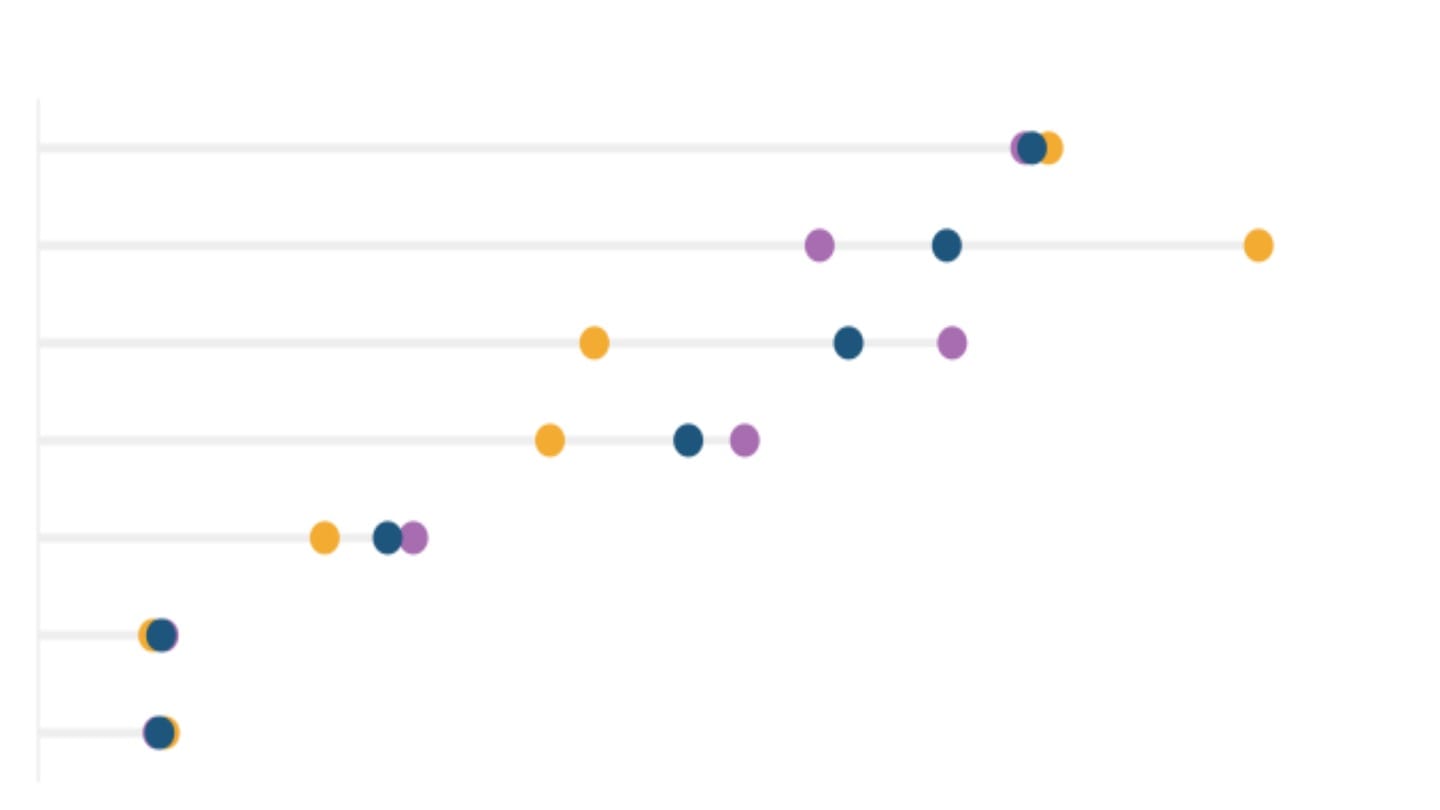
Historically, one of the major concerns about girls in the Indian education system was their higher drop-out rates on account of a range of issues including the lack of toilets, concerns about safety, gendered expectations of household labour, and social norms around marriage and women's work. In this context, a startling finding from my colleague Abhishek Waghmare's work on enrolment in education in India is this big shift: female enrolment in education now equals male enrolment at all levels, including in higher education. In fact in the most recent data that he has, Abhishek finds that female enrolment in higher education (which means undergraduate programmes, post-graduate programmes or their equivalent) has now exceeded male enrolment.
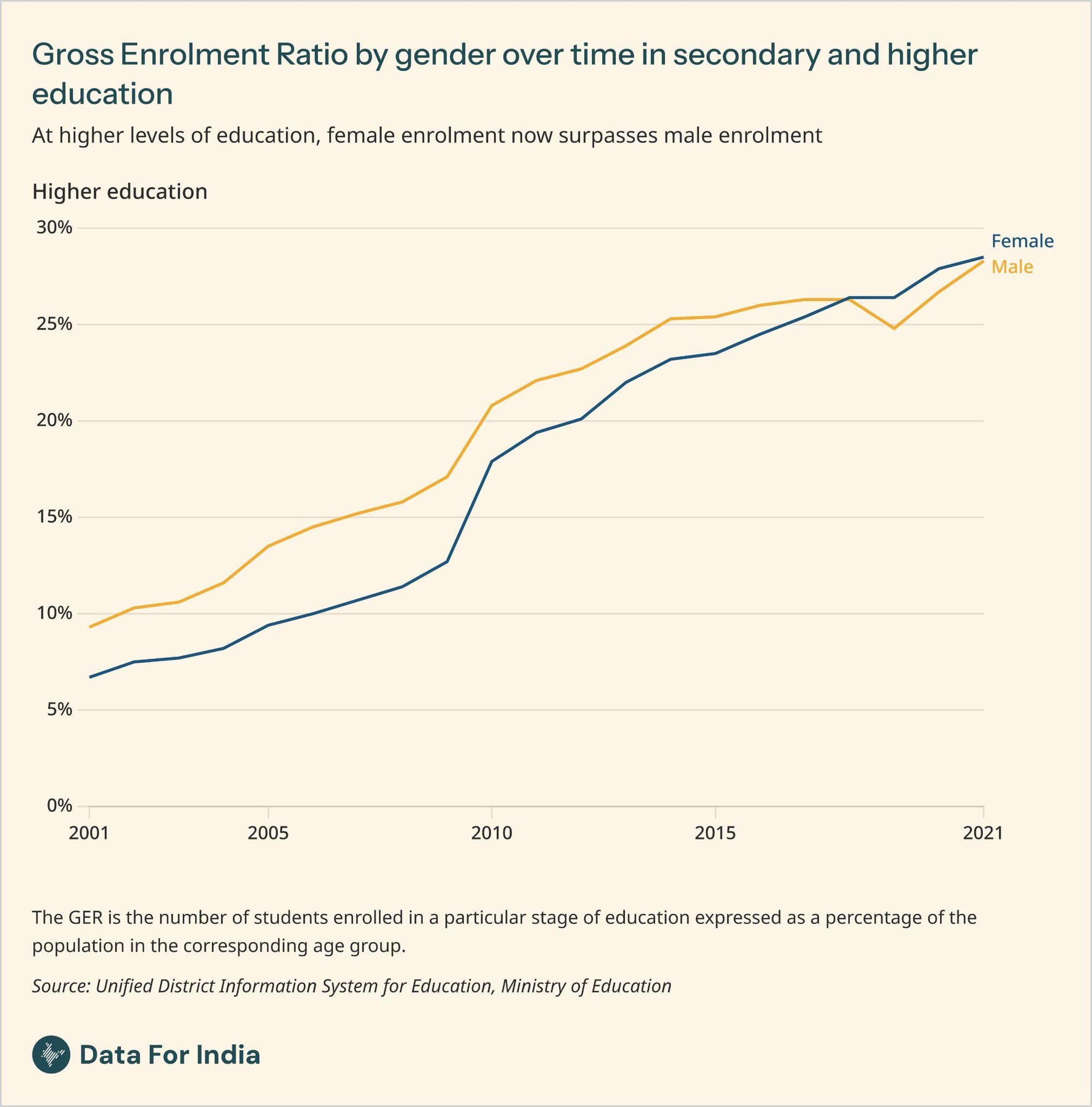
To me this is an astounding shift, one that I hear about from educators in particular (I was at a skilling-related conference in Kerala last year, and most educators there told me that female students outnumbered male students in every college), but one that I feel goes largely unremarked upon in the broader conversation around higher education in India.
There are definitely a few nuances here. For one, the rate of enrolment in higher education in India is still low on the whole compared to the global average and especially compared with countries like China. Then, the share of women in higher education exceeds men at the post-graduate level but not at the under-graduate level. And finally, there are definitely gendered dimensions to the disciplines that men and women enrol in, engineering being a particularly stark example.
At the very least, what this does for me at least is to refocus my attention on those aspects of female enrolment that still need improvement, while significantly altering my priors about the country. As a way to think about the Indian story through data - both what's changed and what lies ahead - I think that's a good place to start.
Last week, we made the complete archive of this newsletter accessible to our subscribers. Read over 75 past editions of The Big Shift at the link below, and let us know what you think.