India's informal sector employs a majority of its workforce, and has remained large over the last two decades despite economic growth. Estimating its size requires looking at the different ways in which informality is defined.
In international labour statistics and India's national statistics, there are two different approaches to defining informality. The first is to divide the enterprises that hire people into formal and informal enterprises based on their production characteristics. The second is to divide workers into formal and informal workers based on their working arrangements.
Applying these two approaches to India's official labour statistics[1], we look at the size of the informal sector based on how it is defined, and whether formalisation is growing. (See our work on how these two approaches developed and are used in Indian statistics.)
Employment in formal and informal sectors
The first way that international agencies measure the informal sector is based on how the enterprises that employ workers are organised. Through this lens, enterprises are categorised in three ways:
- the formal sector which includes government and private enterprises recognised by various laws,
- the informal sector that largely covers enterprises run by households, which are not recognised by laws, and do not maintain accounts, and
- a residual or 'other' sector (including households working in farming, households who produce only for their own use, cooperatives and trusts) that is seen as being outside the definition of formal and informal sectors.
Size of the formal and informal sectors
Applying this definition to India's labour statistics, about 12% of Indian workers are employed in the formal sector. Nearly half of India's workforce is engaged in the informal sector. The share of employment in farming, cooperatives, trusts and other enterprises is 40%. This means that 88% of India's workforce is employed outside the formal sector.
Employment outside the formal sector is more common in rural areas. More than nine in ten rural workers are employed outside the formal sector as against less than eight in ten urban workers.
In absolute terms, the formal sector defined through its enterprises employs close to 75 million workers, while 550 million workers are employed outside the formal sector. Of those outside the formal sector, 290 million people are employed in the non-agricultural informal sector.[2]
International comparison
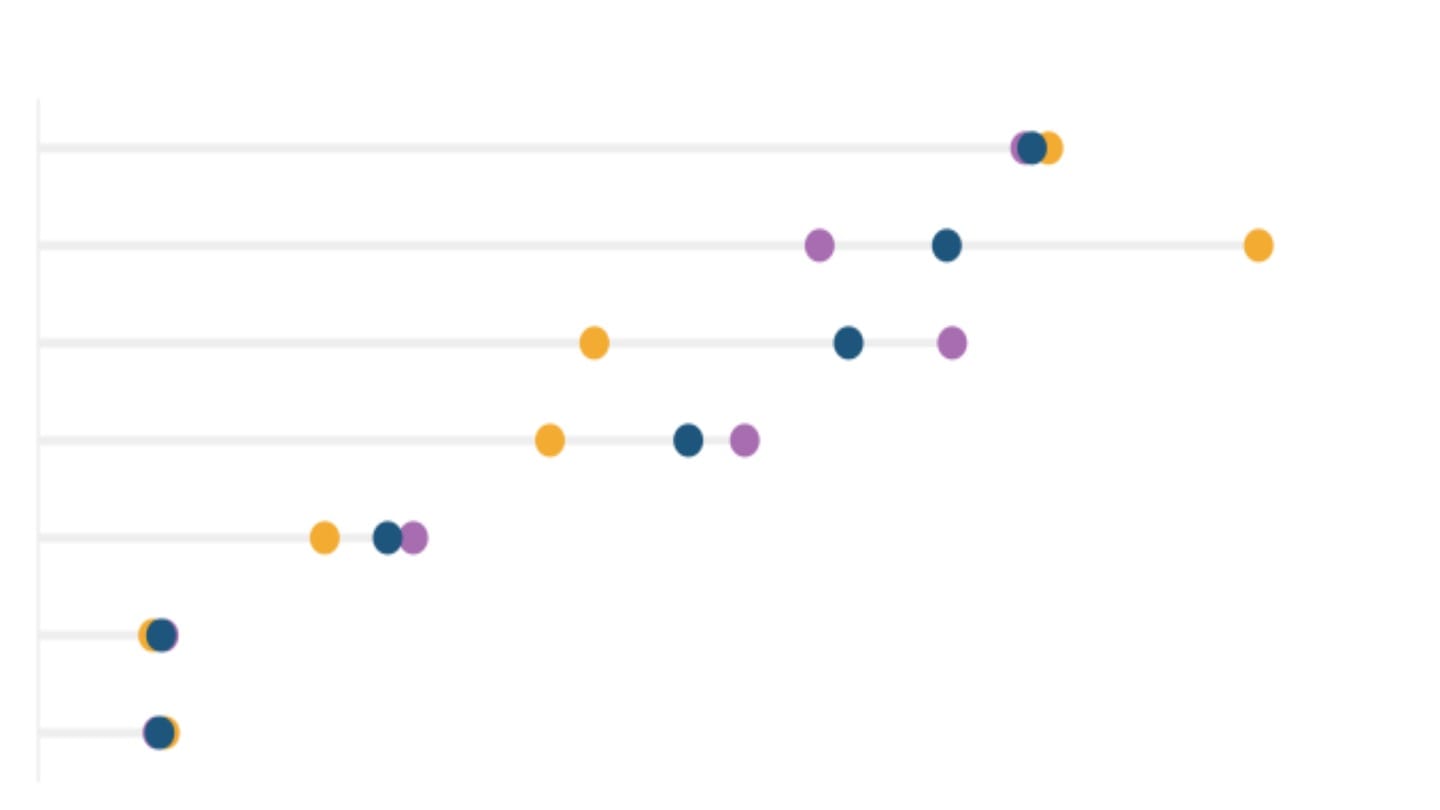
By this definition of the formal sector, India has a far larger share of its workforce outside the formal sector than many comparable countries. While Asian peers such as Viet Nam, Sri Lanka and Bangladesh have less than 70% of the workforce outside the formal sector, 80% of India's workforce is employed out of it.[3]
Changes in informality over time
It's not just that the size of the formal sector is small, it's also that it hasn't grown substantially.
Across the world, richer and more developed countries tend to have larger formal sectors. As countries develop, workers move out of agriculture and enter manufacturing and services.
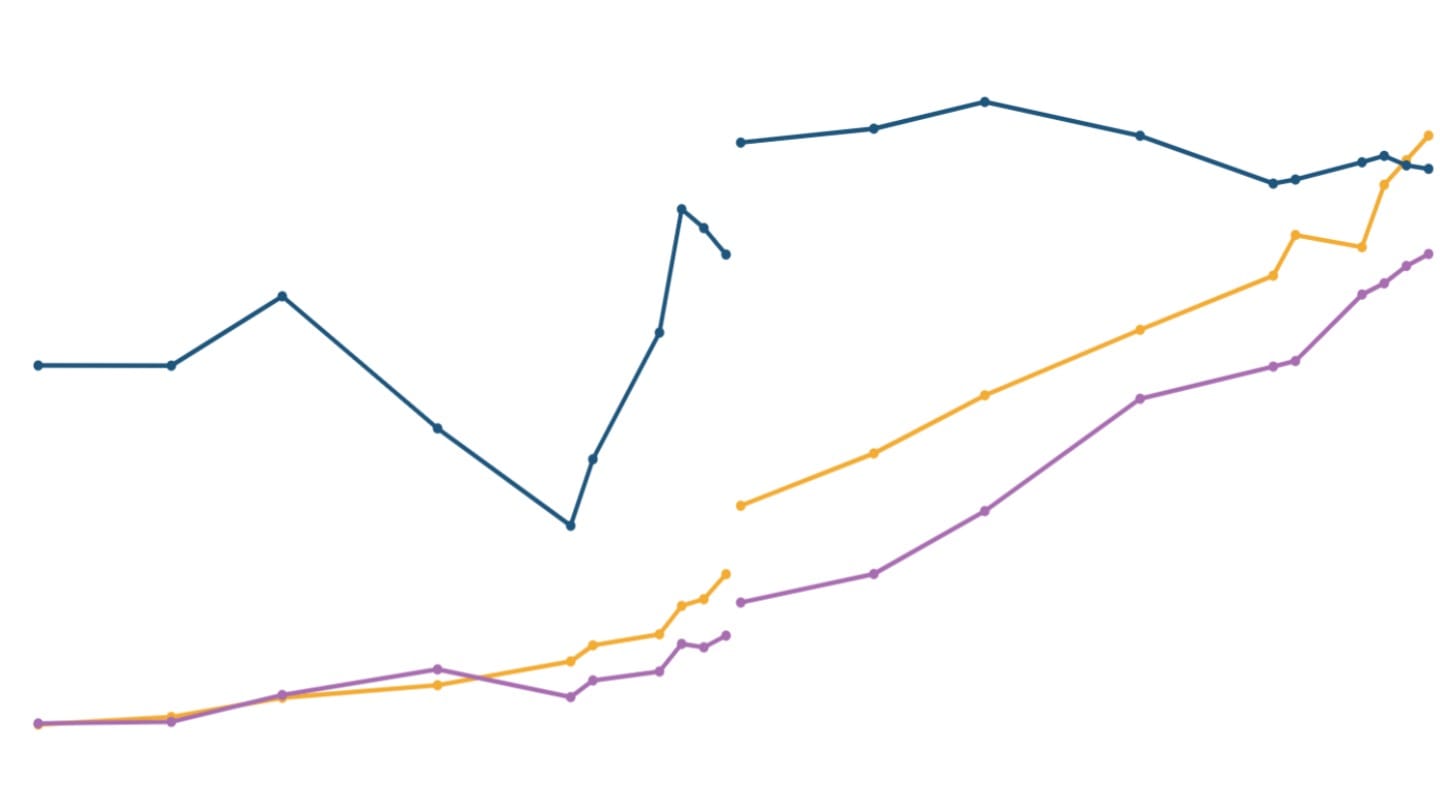
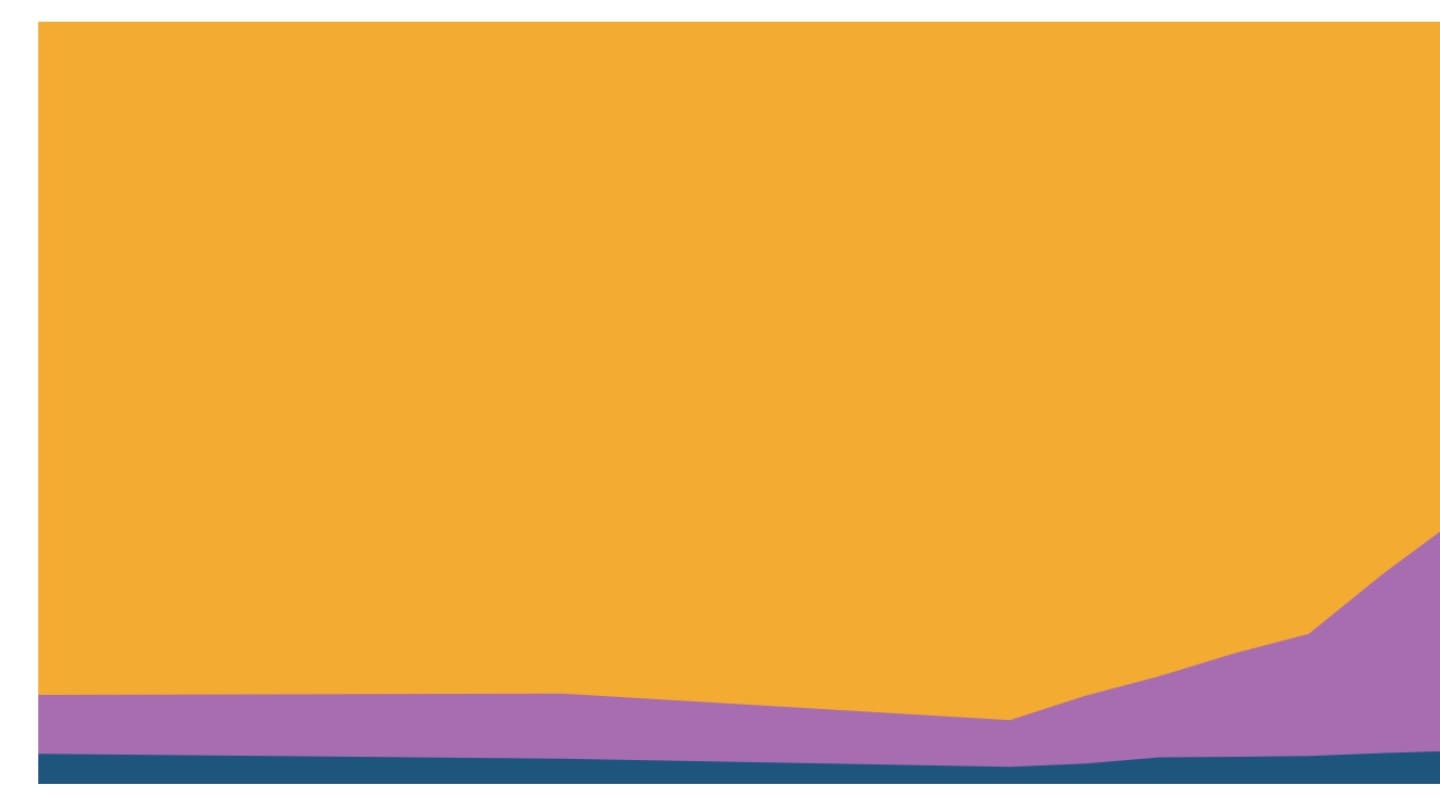
In India, however, the share of workers employed by formal sector enterprises has grown very little over the last twenty years, while the growth in the share of the informal sector in employment accelerated in recent years (2021-2024).
While India's workforce is moving out of farming, it is largely entering the informal sector, and not the formal sector.
In absolute terms, formal sector employment increased from about 40 million in 2005 to over 70 million in 2024. Employment outside the formal sector grew from around 400 million to 500 million in the two decades.[4]
Formal and informal employment
The other way of measuring informality in the labour market is by understanding the conditions of employment, especially in terms of protections given to workers. Formal jobs, by this definition, are ones with more benefits and protections. In the absence of an official definition, we consider workers who have any two of the following three benefits to be formal workers or workers with a formal job:[5]
- Has at least one social protection among healthcare/maternity, provident fund/pension and gratuity,
- Is eligible for paid leave, and
- Has a job contract that is for a period more than one year.
Size of the formal and informal workforce
Applying this definition to India's labour statistics, we find that in 2024, less than 12% of workers were eligible for paid leave, about 10% of the workers had some social security benefit, and close to 8% of India's workforce had a job contract for a period more than one year. 10% of India's workers fulfilled at least two of these conditions and could be defined as being in formal jobs.
International comparison
By this definition of conditions of employment, India's informal employment rate was 87% in 2025 according to International Labour Organization (ILO) data.[6] It was closer to the average of low-income countries (89%) than that of the lower-middle-income countries (83%). In advanced economies, on the other hand, more than 90% of workers are in such formal jobs.[7]
Changes in formal employment
As countries industrialise, jobs in non-agricultural sectors are more likely to be salaried with better working conditions, and the share of formal employment is expected to rise.
However, the share of the workforce in informal employment in India, meaning workers without significant social protection, has fallen only marginally from 94% to 90% over the last two decades.
In absolute terms, informal employment in India grew from 430 million in 2005 to 550 million in 2024. In the same two decades, formal jobs in India grew from 30 million to 60 million.
Conclusion
Whether measured as 'workers employed by enterprises that are outside the formal sector' or 'workers who do not receive basic protections', around 90% of India's workforce is informal.
The slightly higher estimate from the enterprise-based definition (12% as against 10% from the protections-based definition) could be as a result of the fact that even in formal enterprises, not all jobs provide stable benefits. About 30% of formal sector jobs are informal in nature, meaning that these are jobs in the formal sector, but without worker protections.
[1] India's National Statistics Office has conducted the annual Periodic Labour Force Surveys (PLFS) since 2017-18. It earlier conducted Employment and Unemployment Surveys every five years.
[2] We obtain estimates of absolute numbers of workers in two steps. We first estimate the worker participation ratio from the PLFS, India's national labour survey. We then apply this rate to the estimate of the country's population. In the absence of a recent Census, we use the official data on projected population (for the period 2011-2036) released by the Registrar General and Census Commissioner of India.
[3] The International Labour Organization's (ILO) definition of the formal sector to determine the share of workers employed outside the formal sector that can be applied across countries differs in some ways from the definition used by India in its national statistics. The ILO criteria used in generating comparable country-wise estimates for employment outside the formal sector are based on employment status, institutional sector, destination of production, bookkeeping, registration, social security contribution, places of work and size (13th ICLS, 1982). The ILO uses data based on newer guidelines (19th ICLS, 2013) for some countries, but not for India.
[4] Although the share of the formal sector in employment stagnated in recent years, the absolute number of workers in the formal sector exhibited an increase in the period. This happened due to an increase in the working-age population and rise in workforce participation rate.
[5] The 17th ICLS (2003) discusses a comprehensive list of various conditions that are part of working arrangements of employees, such as job contracts, pension as a part of wage, healthcare benefits such as insurance, and so on. The guidelines do not advocate a consensus on how to combine these conditions to generate a formula for formal and informal employment. Much of that is left for countries to decide based on the prevalent employment conditions. India's Periodic Labour Force Survey asks salaried employees and casual workers if they have a job contract (along with its term), if they were eligible for any social security benefit (such as pension or healthcare), and if they were eligible for paid leave. We have generated our estimates of formal employment by applying two criteria: one, we cover only long-term contracts to ensure that we do not count workers with short-term contracts such as a few weeks as formal jobs, and two, we do not consider a job formal by the existence of only one of the three conditions, since we could end up counting labourers under governmental employment guarantee programmes as formal jobs.
[6] The International Labour Organization (ILO) uses a definition of informal employment that is slightly different from what we use for India. The ILO definition can be applied uniformly across countries.