No matter how it is defined - either as the share of workers employed outside the formal sector or as informal employment - informality in India's workforce is close to 90%. In this piece, we look at who works in India's formal and informal sectors, what sort of work they do, and in which sectors of the economy.
Rural/ urban and gender
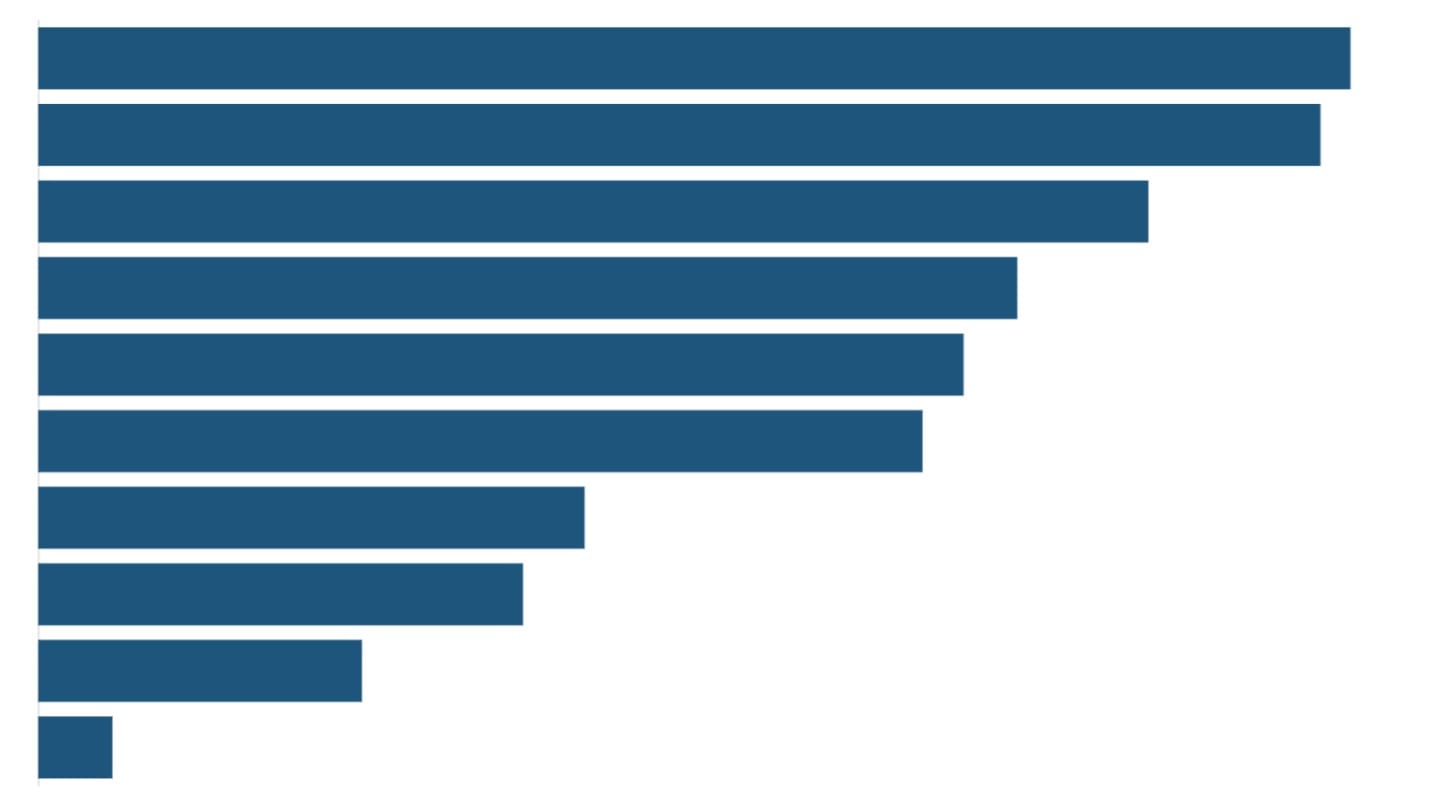
A little more than 10% of India's workers are in the formal sector. The informal sector and farming together employ just under 90% of India's workforce.
The share of the formal sector considerably higher in urban areas, and slightly higher among male workers. More than nine in ten rural workers are employed outside the formal sector as against less than eight in ten urban workers. Male workers are more likely to be in the informal sector than female workers, while the latter are more likely to be employed in farming.
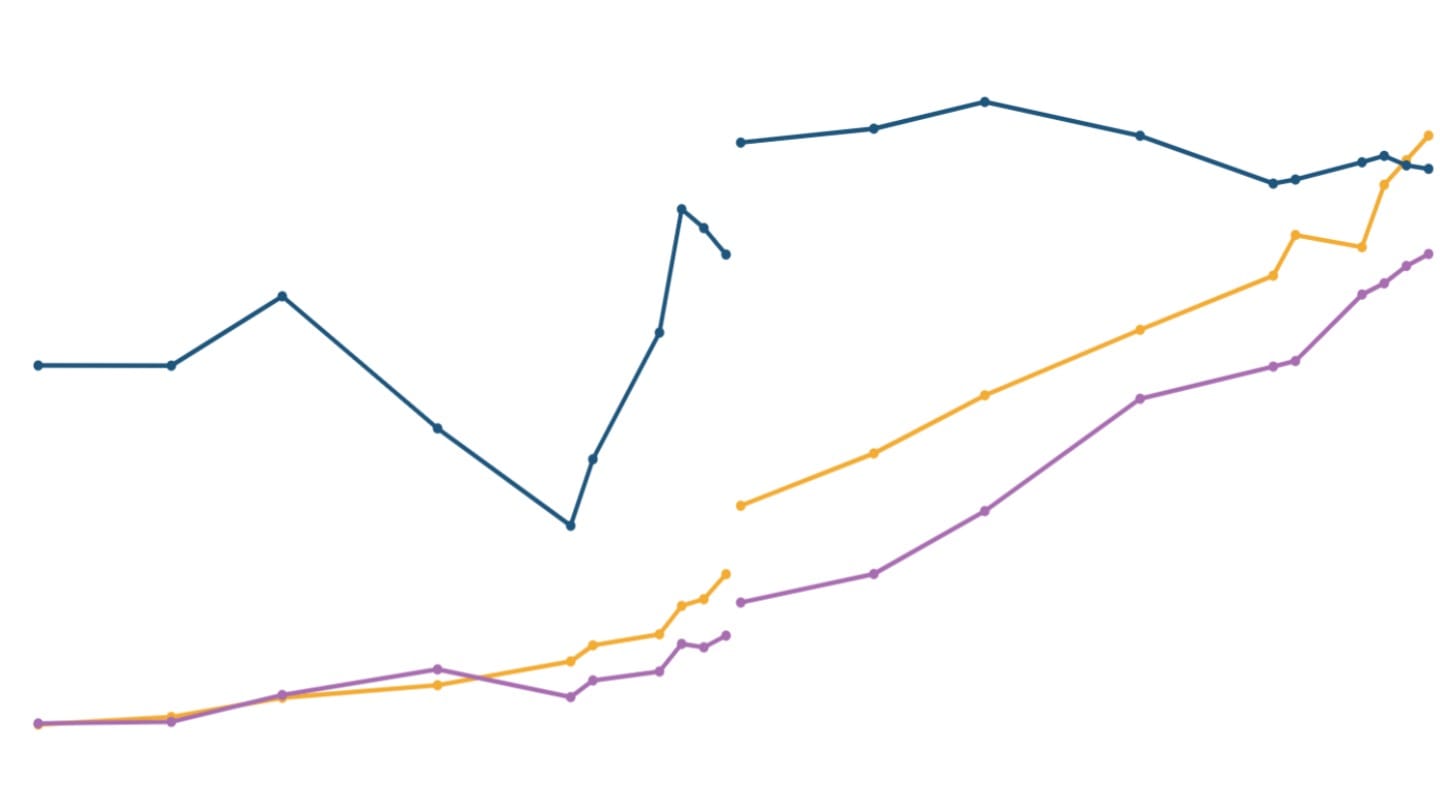
A little less than 10% of India's workforce is in formal jobs, as compared to 6% two decades ago. But the recent increase in formal employment has been among male workers only. While the relative share of formal jobs grew among both male and female workers between 2005 and 2015, the share of female workers in secure employment fell in the decade after.
Working arrangements
Formal sector enterprises such as government entities, private companies and those listed on the stock exchanges mostly employ salaried workers. Nine out of ten formal sector workers are salaried.
In the informal sector, nearly half are self-employed, and a quarter are casual labourers. Even though the informal sector comprises household enterprises that are either proprietorships or partnerships, the owners of some of these enterprises may hire workers who are paid on a regular monthly basis. This makes such workers salaried employees in informal enterprises. They are most likely to be salespersons in shops, drivers, transportation and manufacturing labourers.
Informality across economic sectors
While most of India's economic sectors have largely informal workforces in terms of protections, a few sectors, primarily among services, stand out in being relatively more formalised.[1]
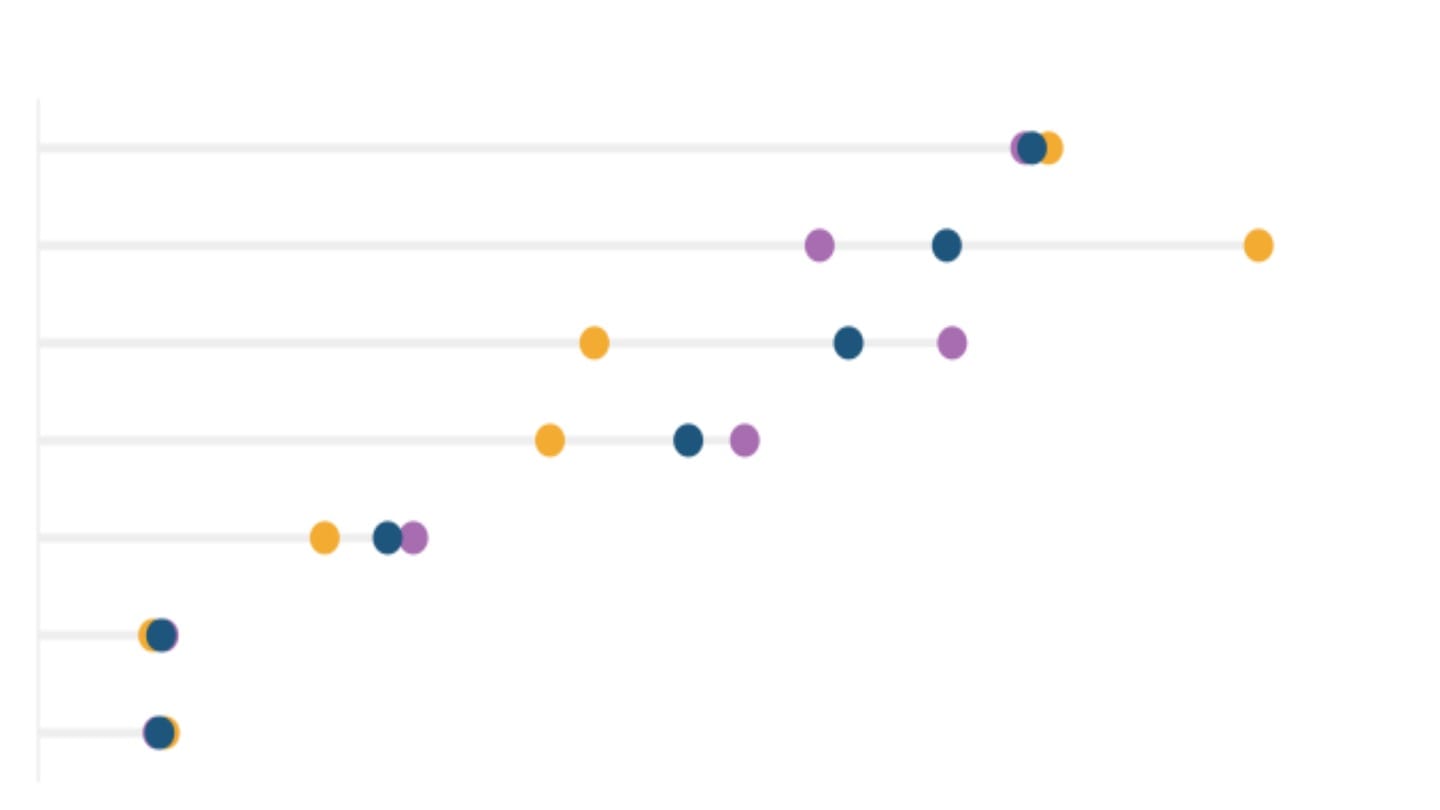
Agriculture as an economic sector employs the most workers, but is almost completely informal in its employment. Public administration including defence, and information and communication services have the highest share of formal jobs, or more than 80% formalisation. A majority of the jobs in health and education, and real estate, financial and professional services are also formal jobs.
Despite the fact that manufacturing provides more than 11 million formal jobs, more than 50 million jobs in the sector are informal.[2] Along with manufacturing, the construction sector and trade enterprises such as commercial shops and wholesale traders have the highest absolute number of informal workers.
Education and formal sector employment
Jobs in formal sector enterprises are more likely to go to those with a higher education. Only 16% of those who have completed Grade 12 (higher secondary school) have formal sector jobs, compared with over half of those with post-graduate degrees.
But a higher education does not necessarily guarantee a formal sector job. While graduates are several times more likely to be working in the formal sector compared to their less educated counterparts, nearly half of those with a graduate degree are in the informal sector.
The number of stable, high-wage, formal jobs in India is limited, making a graduate degree no guarantee of such jobs. India's graduates face the highest unemployment rate as compared to less educated work-seekers, and four out of ten graduate workers work in self-employment.
Formal sector employment by region
In the more developed western and southern states, the share of formal sector employment in the workforce is the highest. However, even in the most developed states, three in four workers are employed outside the formal sector.
Some northeastern states also have relatively higher rates of formal sector employment. This is on account of the relatively larger government sector in these states. More than 20% of workers in northeastern states such as Nagaland, Mizoram and Sikkim are in government employment (including autonomous bodies) as compared to 6% of the workforce nationally.
Wages in the formal and informal sectors
Formal sector jobs are better paying. The wages of formal employees in salaried work are two to three times as high as those of informal salaried employees.[3]
The median worker in a formal salaried job earns Rs 26,000 per month against the Rs 11,000 per month earned by one in an informal salaried job.
The gap between the monthly earnings of those in formal salaried jobs and those in informal salaried jobs is the widest in the sectors with the highest formalisation of jobs - government service (public administration and defence) and technology jobs (information and communication sector).[4]
The median worker in formal jobs in the information technology and communication sectors earns Rs 45,000 per month. The median informal worker in the same sector earns less than Rs 15,000 per month.
[1] Here, we divide the economic activities as described by the National Industrial Classification into 12 parts. But while looking at them, we leave out three groups of activities: "agriculture", since it is completely informal in terms of employment; "other services", since it is made up of a diverse mix of services; and "other industry", that includes utilities and mining.
[2] Estimates generated using multipliers/weights from surveys typically underestimate the absolute number of workers as compared to the estimates generated using survey ratios (such as the share of workers in the workforce) and population from the official national projections.
[3] Wage estimation of workers in formal and informal jobs comes with some differences in how they are measured. While informality is measured by categorising workers in the Usual Status (US), wages are recorded for workers in their Current Weekly Status (CWS). The usual activity of persons is recorded with a reference period of one year, while the current activity is recorded at a recall period of one week. This means that salaried workers in formal jobs are those who report to be in such a working arrangement for the major part of the year (US), while wages are derived for workers who report to be in salaried jobs in the preceding week (CWS). However, about 98% of those who report themselves as salaried workers in the US also report to be salaried workers in the CWS.
[4] Data on the wages is collected for those who report as workers within the preceding week. Salaried employees report the wage they earned in the calendar year preceding the time of survey. But since formal salaried employees are generally in salaried employment for a large part of the year, their wages can be potentially used to calculate their annual incomes. For informal salaried workers, their recorded wages may reflect their current situation, and they may not accurately represent their potential annual incomes.