Having a graduate degree is an important marker of educational achievement, and is linked to greater access to more skilled and better-paying jobs.
People who have completed an undergraduate programme are considered to be graduates. This also includes those who are either enrolled in or have completed post-graduate degrees or diplomas, or doctoral programmes, after completing an undergraduate degree.
India's National Statistics Office (NSO) conducts large, population-wide, and nationally representative household surveys. We use the annual Periodic Labour Force Survey (PLFS) to generate estimates on educational attainment.[1]
How many graduates does India have?
The majority of Indians are educated only up to the primary level. One in ten Indians was a graduate as of 2024. Despite being low, this number represents a significant increase over time. In the 1970s, in comparison, fewer than 1 in 100 Indians was a graduate.
In absolute terms, this translates into 140 million graduates in the country as of 2024. [2]
How does this compare with other countries?
In international statistics, the share of graduates in the population is calculated relative to the population 25 years or older in age, given that a person would need to be at least 21 to have completed an undergraduate degree. By this definition, one in seven Indians above the age of 25 is a graduate.
In most developed countries, the share of graduates in the 25+ population is significantly higher. In France, one in four people above the age of 25 is a graduate, while in Canada and the United States, more than one in three is a graduate.
Compared to other developing countries, the share of graduates in India is higher. A person above the age of 25 in India is nearly twice as likely to be a graduate than a similar person in Bangladesh, even though both countries have similar per capita incomes.
However, what the data also shows is that even in developed countries, the majority of adults do not have a graduate degree.
How old are most graduates?
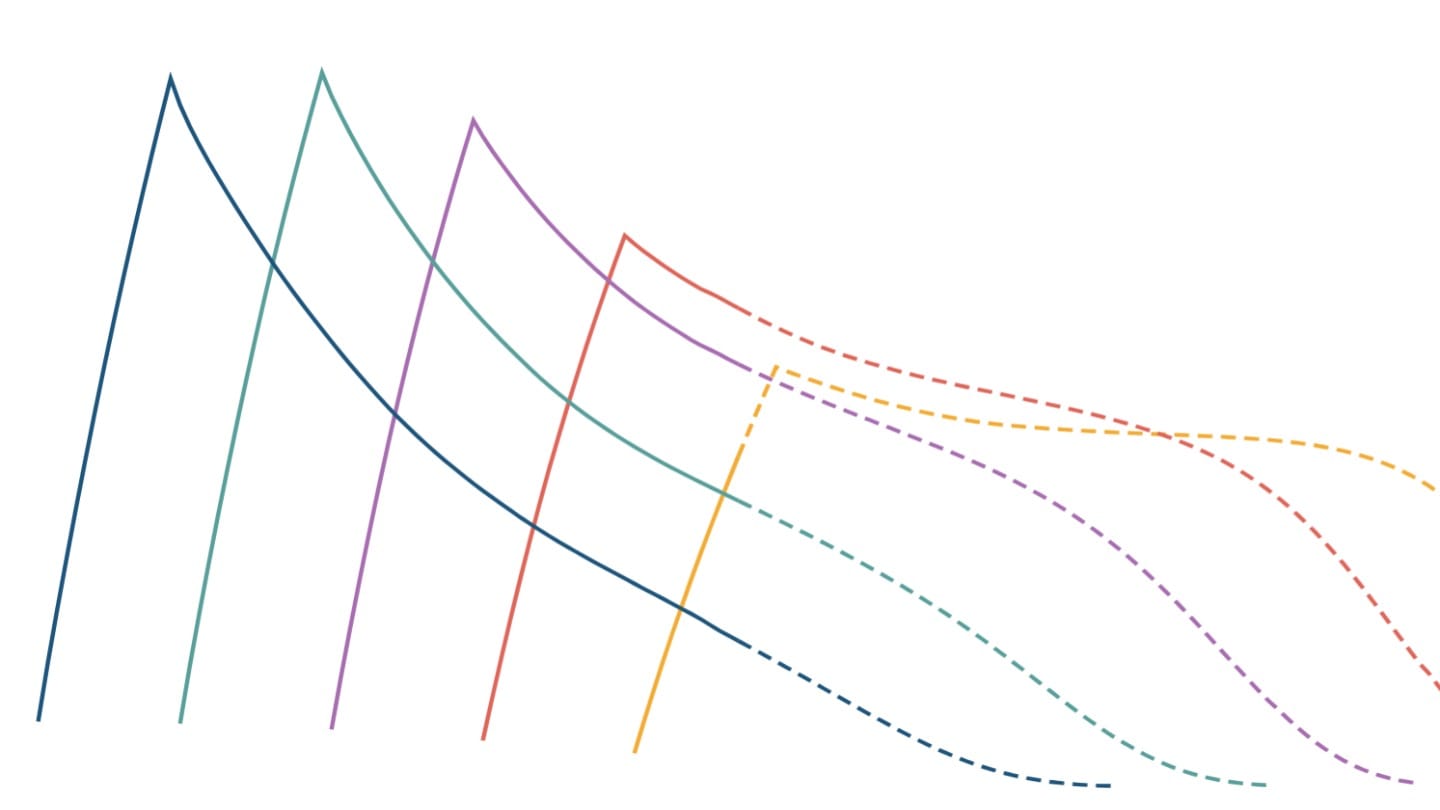
With the increase in enrolment in higher education, the vast majority of Indians with a graduate degree are relatively young. The proportion of adults with graduate degrees is highest among those in the youngest age groups. Over 25% of people in their late twenties are graduates, while just 7% are illiterate. On the other hand, over 50% of those in their sixties or older are illiterate, and just 6% are graduates.
In absolute terms, nearly half of India's 140 million graduates are in their twenties, followed by a little less than 40 million graduates in their thirties.
Which parts of India have the highest share of graduates?
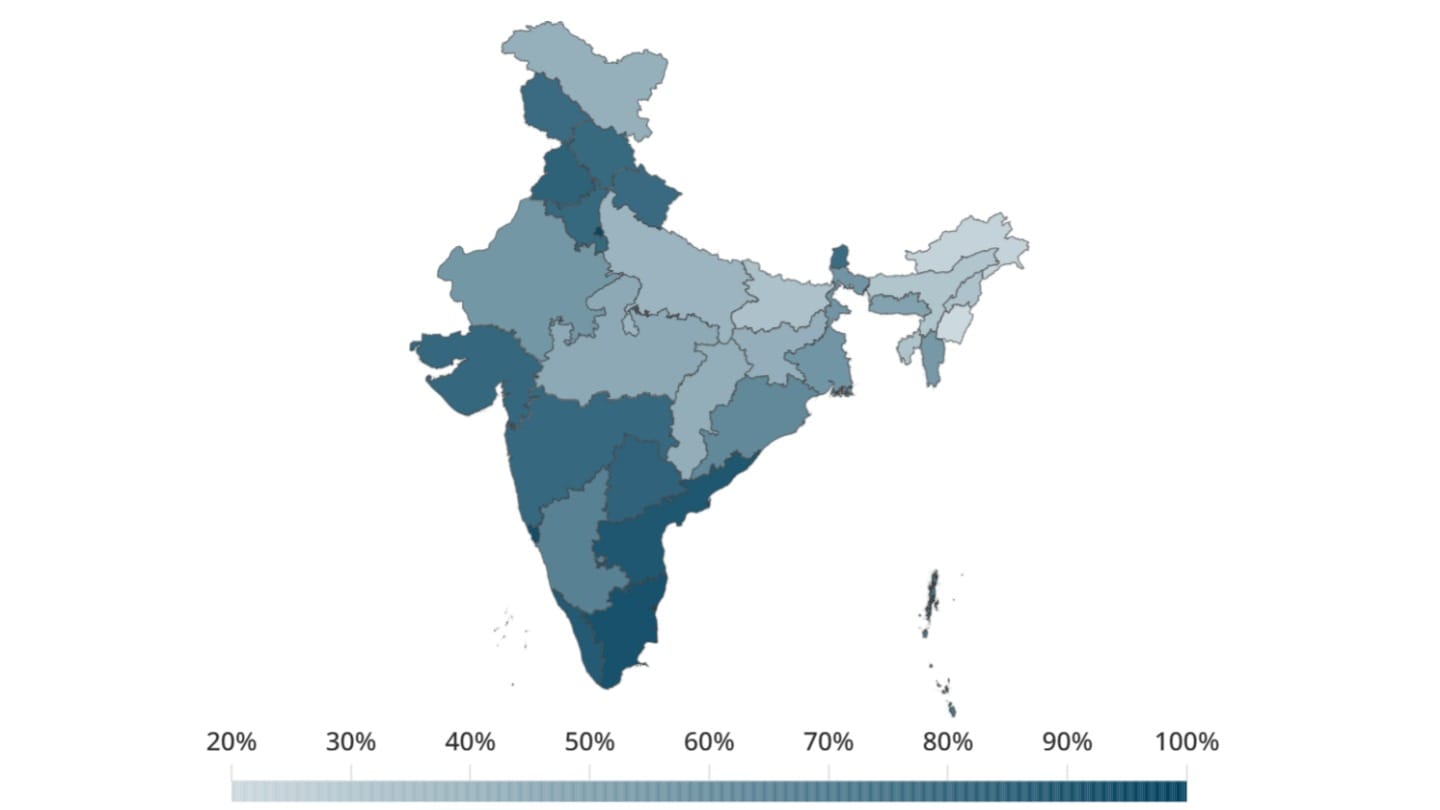
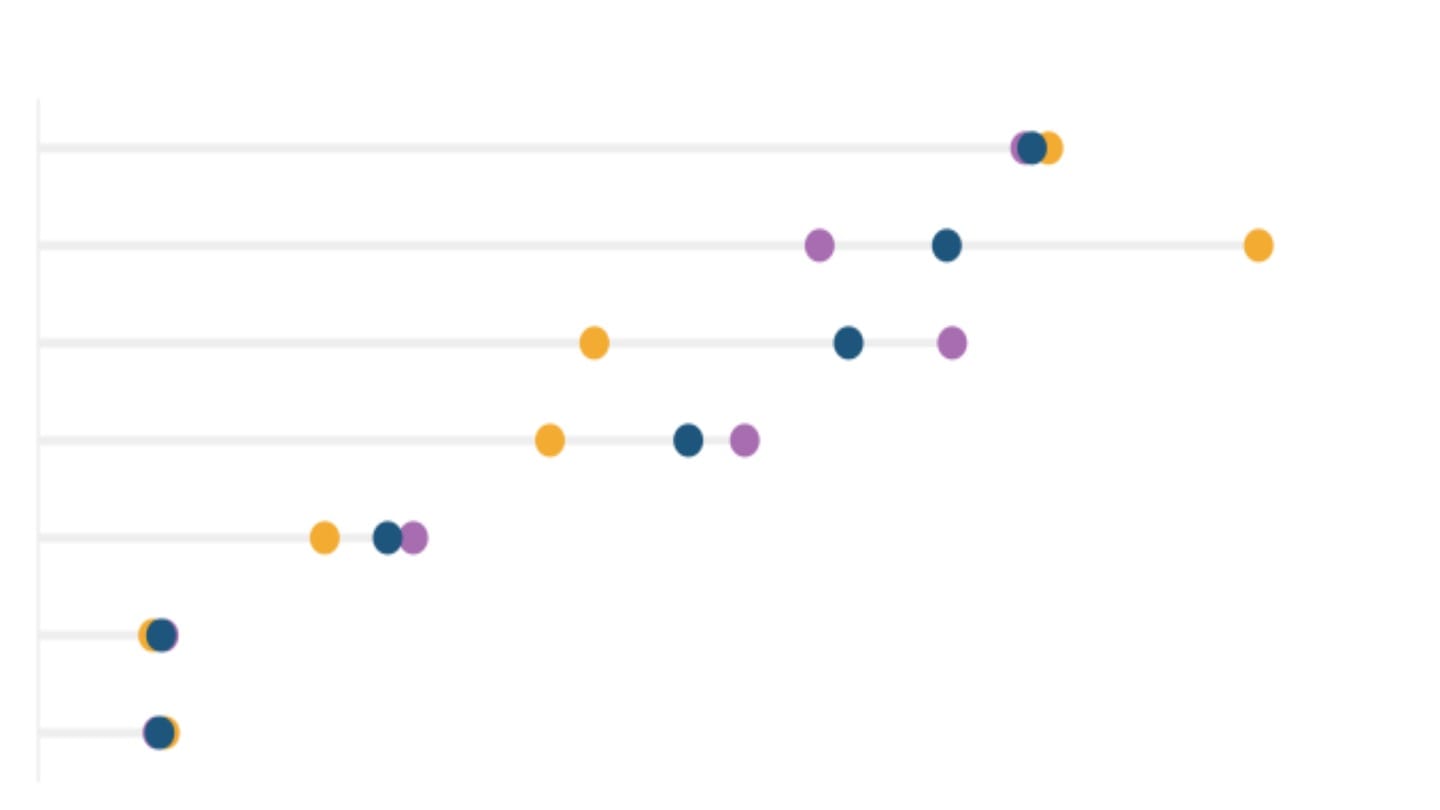
Enrolment rates at all levels of education are higher in India's richer states. Nearly 20% of the population above the age of 25 has a graduate degree in the southern, western and northeastern parts of the country, as well as in the region near the national capital. Delhi has the highest share of graduates.
In India's poorer central and eastern states, on the other hand, the share of graduates in the adult population is half of this, at around 10%. Assam and Bihar have the lowest share of graduates in the population aged 25+, at around 8%.
Undergraduate programmes in India
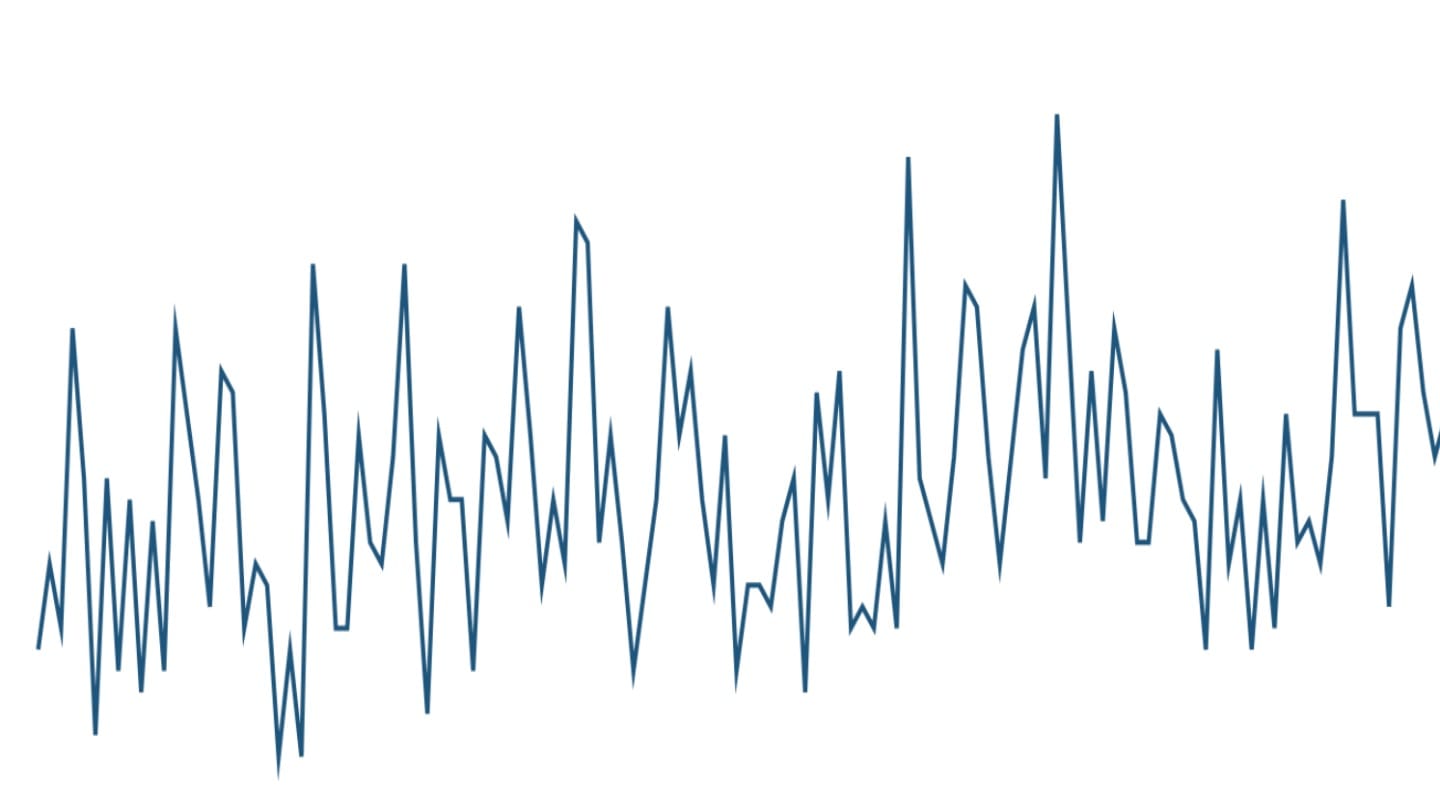
Every year, India produces eight million new graduates. This number has grown only modestly over the last decade.
43 million students were enrolled in higher education programmes in India as of 2022.[3] This includes 34 million students attending undergraduate degree programmes. The rest were enrolled in diplomas/certificate programmes, postgraduate degree programmes and diplomas, doctorates and integrated programmes.[4] Around 5% of those enrolled in undergraduate studies usually drop out without completing the programme.[5]
What are India's young people graduating in?
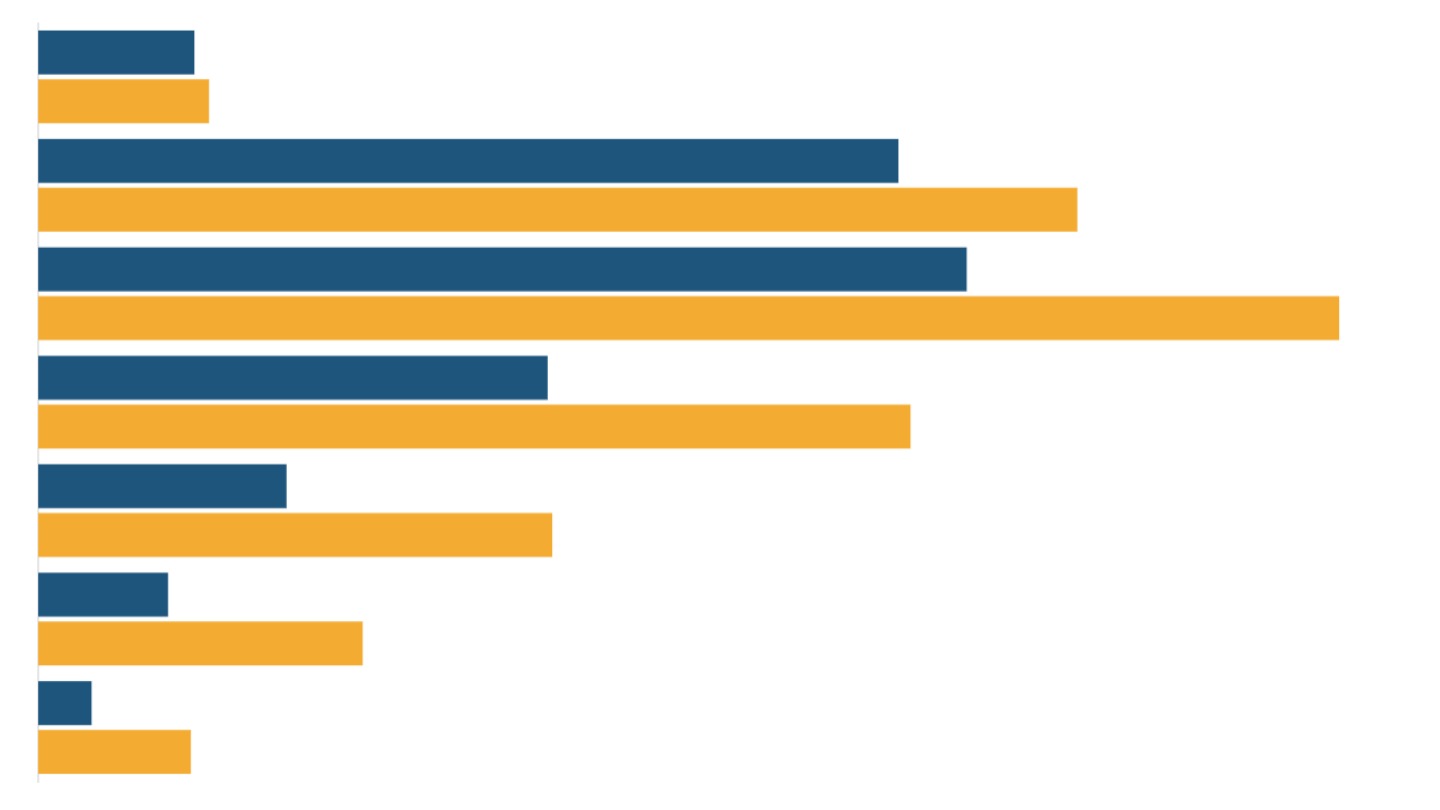
Among undergraduate programmes, bachelors degrees in Arts, Science and Commerce are the most preferred disciplines for students in India. These three disciplines account for over half of the enrolment in undergraduate programmes. They are followed by Engineering, Education and Medical Sciences programmes.
In 2022, India produced more than two million Arts graduates, more than a million graduates each in Science and Commerce disciplines, followed by one million graduates in Engineering and Education. In Medical Sciences, 300,000 people completed their graduation in 2022.
What do undergraduates study in every state?
The most popular disciplines vary widely by state. While Arts is the most popular discipline for the country on average, fewer than one-quarter of undergraduate students in the southern states are enrolled in Arts programmes. More students in Tamil Nadu, Telangana and Andhra Pradesh are enrolled in Engineering than in Arts programmes.
[1] India's Periodic Labour Force Survey (PLFS) is a large annual national survey. Education is a variable that is used in the PLFS sampling process as a part of the stratification. To ensure that these estimates are accurate, we also estimate education levels from the Comprehensive Annual Modular Survey (CAMS) conducted in 2023. The results from PLFS closely match those from CAMS estimates.
[2] To determine the absolute number of graduates in the country in any recent year, we have to rely on indirect estimation using surveys and population numbers. We use the PLFS for the ratio of graduates, and the official population projections from the Registrar General and Census Commissioner of India for population.
[3] The latest annual All India Survey on Higher Education (AISHE) data from AISHE is for the academic year 2021-22.
[4] The number of enrolled persons includes the number of persons enrolled in all years of these programmes, and not new enrollments in the first year alone, as this data is not available from AISHE.
[5] This estimation from Comprehensive Annual Modular Survey (CAMS) of 2023 is only for the people who had enrolled in undergraduate programmes in the past, and not the currently enrolled persons.