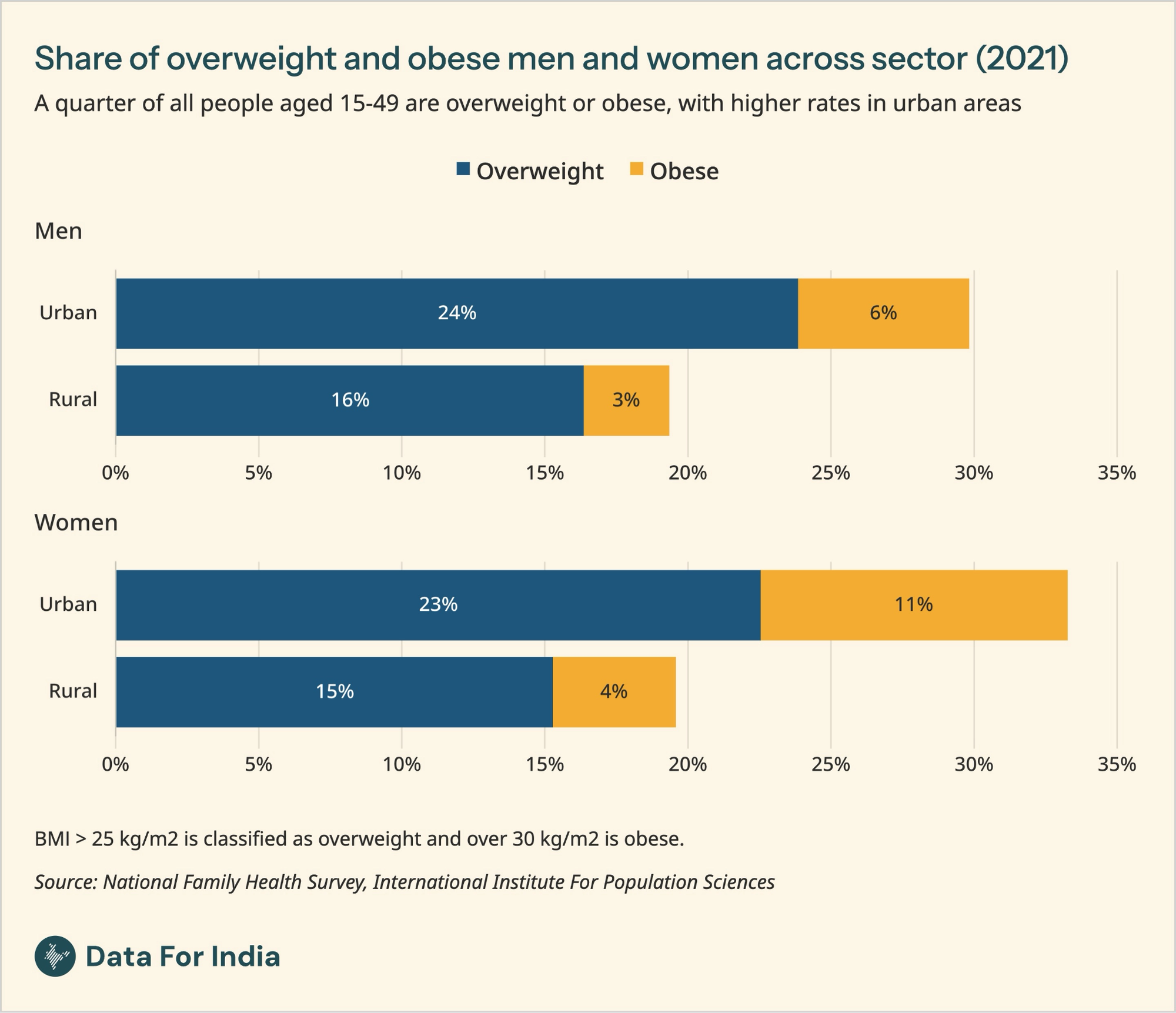
Obesity is on the rise in India. In 2021, almost a quarter of adults aged 15-49 were overweight or obese, rising to nearly 30% of Indian adults by 2024.[1] Understanding this trend is important because excess body weight is a major risk factor for non-communicable diseases such as cardiovascular disease, diabetes and hypertension. As deaths due to these conditions are rising in India,[2] addressing obesity has become increasingly important for public health.
This piece talks about obesity using body mass index (BMI) as the measure. Data on BMI comes from the National Family Health Survey (NFHS) conducted by the International Institute for Population Sciences under the Ministry of Health and Family Welfare. In 2021, NFHS surveyed over 600,000 households and recorded anthropometric measurements such as height, weight, waist circumference and hip circumference. BMI is calculated by dividing a person's weight in kilograms by the square of their height in metres. Following the World Health Organization (WHO) definition, the NFHS classifies adults with a BMI of 30 kg/m2 or higher as obese.
Along with this category, we also include adults with a BMI of 25 kg/m2 or above i.e. those classified as overweight. This is because the Indian population faces obesity-related health risks at lower BMI levels than many western populations, particularly cardiovascular disease and diabetes. We explore this measure in detail in our accompanying piece about measuring obesity.
Urban and rural gap
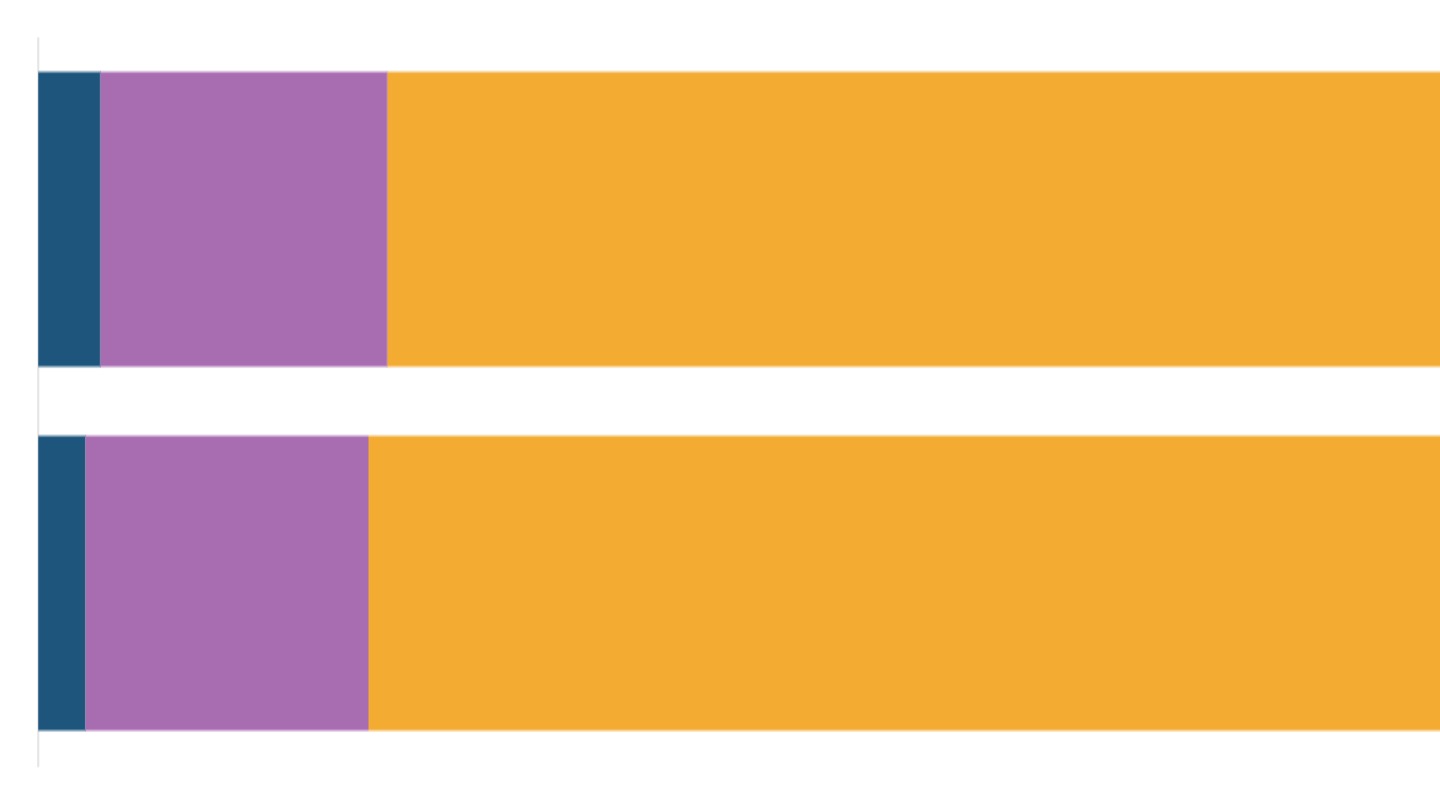
Overweight and obesity are more prevalent in urban India than in rural areas. More than one in three urban women are overweight or obese, while nearly three in ten urban men fall into these categories. It is slightly more prevalent among women than among men, particularly in urban areas. Biological and hormonal factors, especially as women age, contribute to this pattern.
Several factors contribute to this pattern. Urban populations generally have greater access to ultra-processed foods and tend to have lower levels of physical activity on an average. Diet quality, meal patterns, and physical activity all affect the BMI. Early-life factors, including maternal undernutrition, can also increase the risk of obesity later in life.[3]
Change over time
The share of adults who are overweight or obese has almost doubled, from about 12% in 2005 to 23% in 2021. Although prevalence remains higher in urban areas, it has increased more rapidly in rural India.
Among rural women, the share who are overweight or obese has more than tripled, rising from about 6% in 1999 to 20% in 2021. This suggests that obesity is increasingly becoming a nationwide concern rather than one limited to cities.
Although overweight and obesity remain most common among the richest, urban households, they are no longer limited to affluent groups. Even among the poorest rural households, around one in ten men and women are overweight or obese. The overall rise in overweight and obesity between 2016 and 2021 was largely driven by the rapid increase in prevalence among the poorest households in both rural and urban areas.
Increasing risk with age
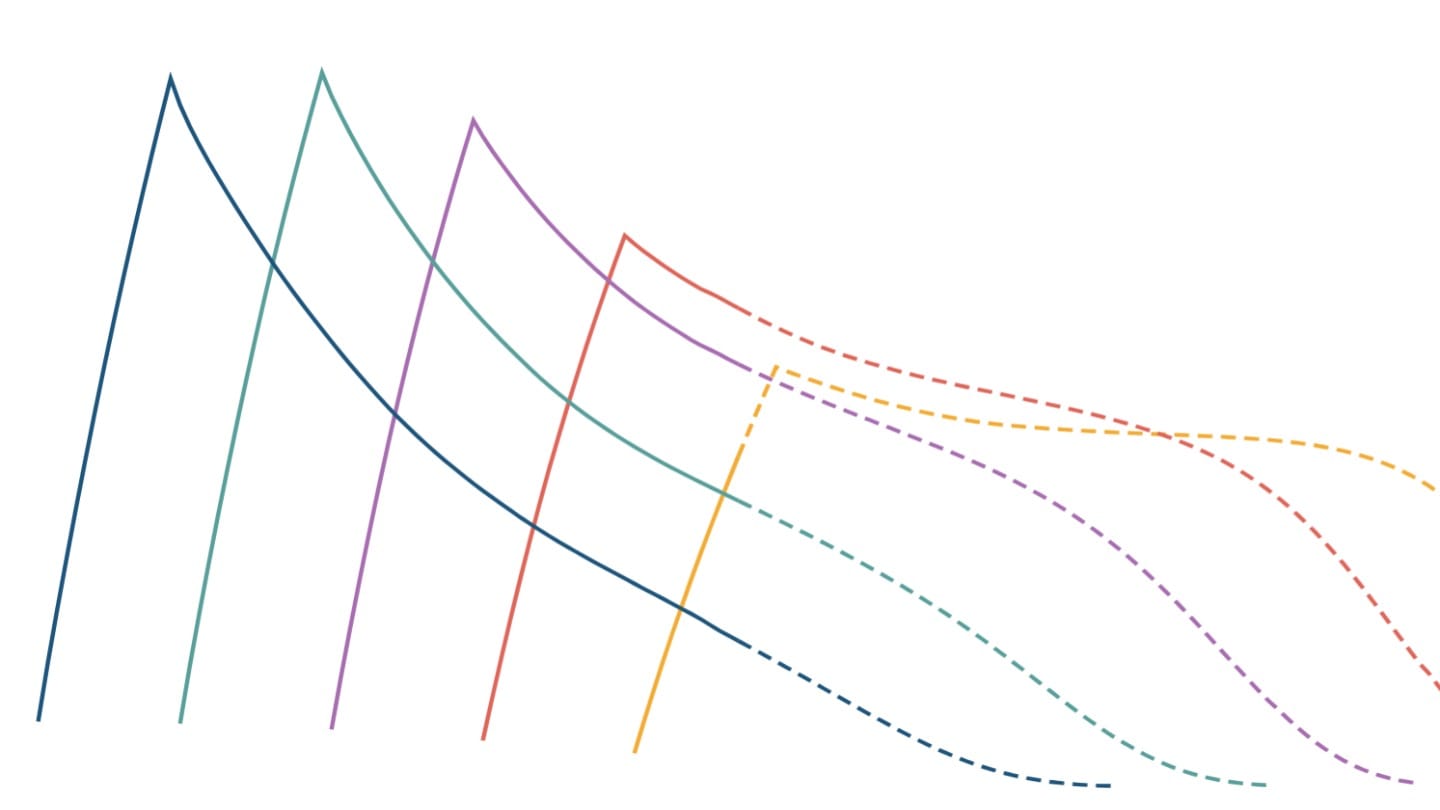
The probability of being overweight or obese increases steadily with age.
While the NFHS samples people aged 15-49, the Longitudinal Ageing Study in India (LASI) which surveys older populations finds even higher rates of obesity among older age groups. The first wave of LASI conducted in 2017-18 surveyed about 37,000 people aged 45 and above and found that 31% were overweight or obese.[4] The share was even higher among the urban population at 52%.
There are several reasons for this. Physical activity often declines with age, while muscle mass gradually decreases and the body tends to accumulate more visceral fat.[5] These changes make weight gain and metabolic disorders more likely over time.
Variations across states
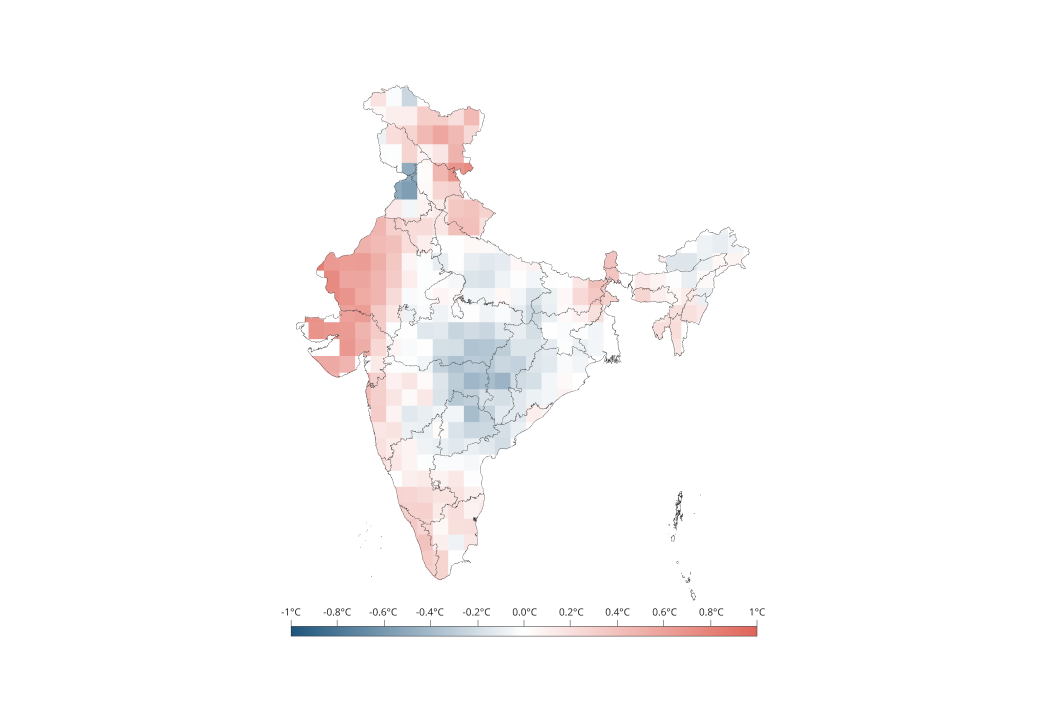
There is significant variation in overweight and obesity across regions. Southern states such as Tamil Nadu and Kerala, as well as northern states such as Haryana and Jammu & Kashmir, and some northeastern states such as Sikkim and Manipur report some of the highest prevalence rates.
In contrast, states such as Rajasthan, Jharkhand and Chhattisgarh report relatively lower rates.
While there are socio-economic and dietary differences which contribute to this variation, there are additional ethnic and genetic differences which may also affect body composition and obesity risks.[6]
What waist-to-hip ratio adds to this picture
In NFHS-5, waist and hip circumference were measured for the first time, in addition to height and weight. These measurements help address a critical limitation of BMI - while BMI estimates overall body weight relative to height, it does not indicate where body fat is stored.
This distinction is important, because abdominal or visceral fat, which accumulates around the stomach and internal organs, is associated with a higher risk of cardiometabolic diseases than fat stored elsewhere in the body. Cardiometabolic diseases include high blood pressure, type 2 diabetes and insulin resistance. As a result, many people with a normal BMI may still have excess abdominal fat and face a higher health risk than BMI alone suggests.
The WHO considers a waist-to-hip ratio (WHR) above 0.85 for women and 0.90 for men to indicate abdominal obesity, although these thresholds are not specific to the Indian population.[7] People above these thresholds have a higher risk of cardiometabolic conditions.
Although the NFHS does not report abdominal obesity as an indicator, its waist and hip measurements allow us to calculate WHR and analyse this additional dimension of obesity. Looking at WHR alongside BMI gives a more complete picture of cardiometabolic risk, particularly among women and middle-aged adults. In fact, more than half of women with a normal BMI are at higher risk of cardiometabolic conditions based on their waist-to-hip ratio.
India's double burden of malnutrition
India is facing a nutritional paradox. While the country is still grappling with widespread undernutrition, we are simultaneously seeing obesity rise sharply across population groups.
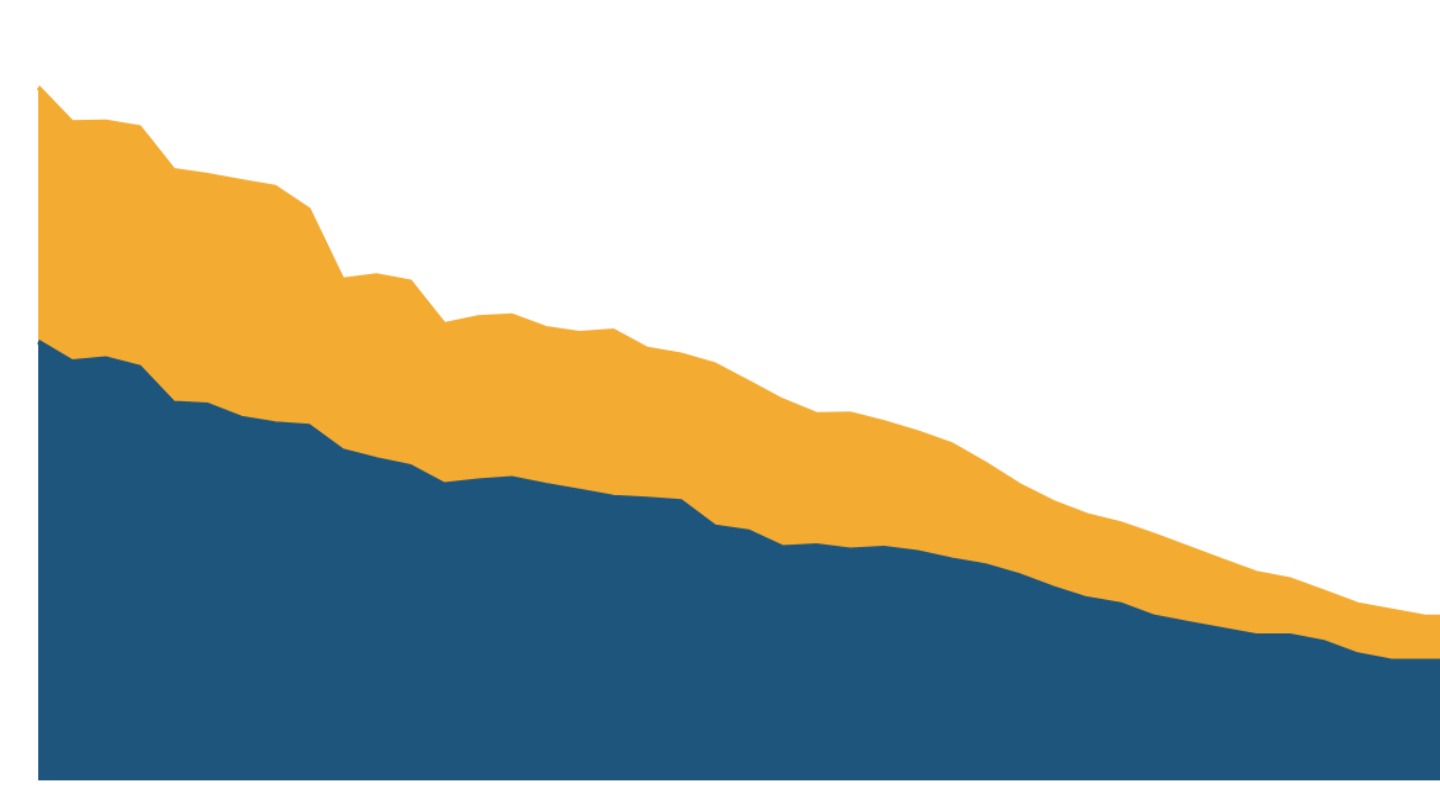
People with a BMI below 18.5 kg/m2 are classified as underweight. While the prevalence of underweight people has declined over the years, nearly one in five people aged 15-49 in India remain underweight. This means that undernutrition and obesity continue to coexist in the country.
This double burden is not neatly divided between rich and poor, or urban and rural households. It exists within the same communities, and in some cases, within the same households. For instance, women who are themselves overweight may have stunted or underweight children.
There are also other forms of inadequate nutrition that may overlap with being overweight. Anaemia, for instance, is an indicator of iron deficiency and it remains common even among people who are overweight or obese. In 2021, more than half of overweight or obese women were anaemic, with over one-quarter moderately or severely anaemic.
The burden of anaemia has also increased over time. In 2006, about four in ten overweight or obese women were anaemic, and only around one in ten had moderate or severe anaemia. This suggests that while anaemia continues to affect the underweight populations, it is becoming increasingly common among people who are overweight as well.
[1] The latest National Family Health Survey data on obesity is from 2023-24, but the unit level data has not been released yet. This piece therefore uses the most recent available unit level data, from NFHS-5 for 2019-21.
[2] India's disease transition, Rukmini S, Data For India.
[3] India: Overweight and obesity rising across all ages - from youngest children to adults, UNICEF.
[4] Longitudinal Ageing Study in India Wave-1, International Institute for Population Studies.
[5] Metabolic changes in aging humans: current evidence and therapeutic strategies (2022), Palmer and Jensen, The Journal of Clinical Investigation.
[6] Ethnicity, obesity and health pattern among Indian population (2012), Mungreiphy, Dhall et al, Journal of Natural Science, Biology and Medicine.
[7] Waist Circumference and Waist-Hip Ratio: Report of a WHO Expert Consultation (2008).