India's Gen Z, the cohort that was born between 1997 and 2012, is the smallest in size that a cohort of this age has ever been, reflecting India's shifting demographics. In 2026, India's 14-29-year-old population is projected to begin to shrink in absolute terms for the first time in Indian history.
The end of India's baby boom
Historically, being young in India has always meant being demographically dominant.
Since 1950, the year from which reliable internationally comparable population data is available, children have always been the largest cohort in India. If you split the population up into equal-sized cohorts, each of which spanned 15 years, the group that was the largest in size was always children - those between the ages of 0 and 14. This held true whether you looked at them in absolute numbers, or in relative terms - children were India's largest cohort.
That baby boom ended in the early 2000s. With falling birth rates - families choosing to have fewer children - the number of babies born in India every year began to fall from the early 2000s.
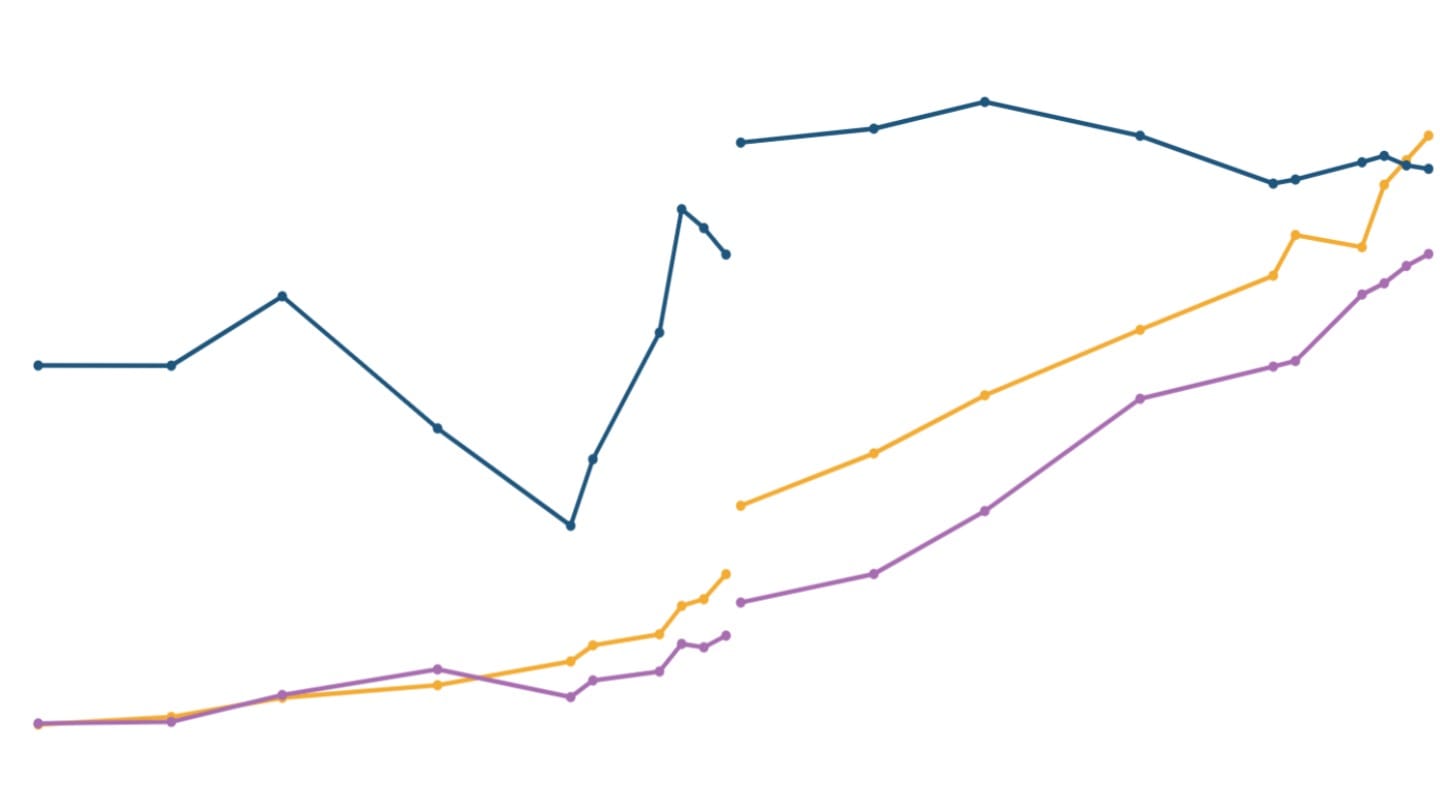
With the number of babies born every year reducing, the number of five-, ten- and fifteen-year-olds began to gradually decline too. By the end of the first decade of this millennium, the total number of children under the age of 14 began to decline. Sometime in the late 2010s, this child cohort stopped being India's largest population category, overtaken by 15-29-year-olds.
For the first time in Indian history, children were no longer India's largest 15-year age cohort. At almost exactly this time, India's Gen Z began to enter the world.
The first impact of falling fertility is on the cohort of children. But this ultimately has a domino effect, with the number of young people then beginning to fall, and the population pyramid gradually inverting itself, resulting in a narrow apex of younger people, and a wide bottom of older people.
The young are no longer demographically dominant
This piece borrows colloquial terms used for age cohorts in the United States. According to the Pew Research Centre, these age cohorts are defined in the following way:
Baby Boomers: those born between 1950 and 1964 (since data prior to 1950 is not available)
Gen X: born between 1965 and 1980
Millennials: born between 1981 and 1996
Gen Z: born between 1997 and 2012
Gen Alpha: born in 2013 and after.
As every generation is born, it has quickly grown to become the largest living cohort, driven by the dominance of younger age groups in India's population described above.
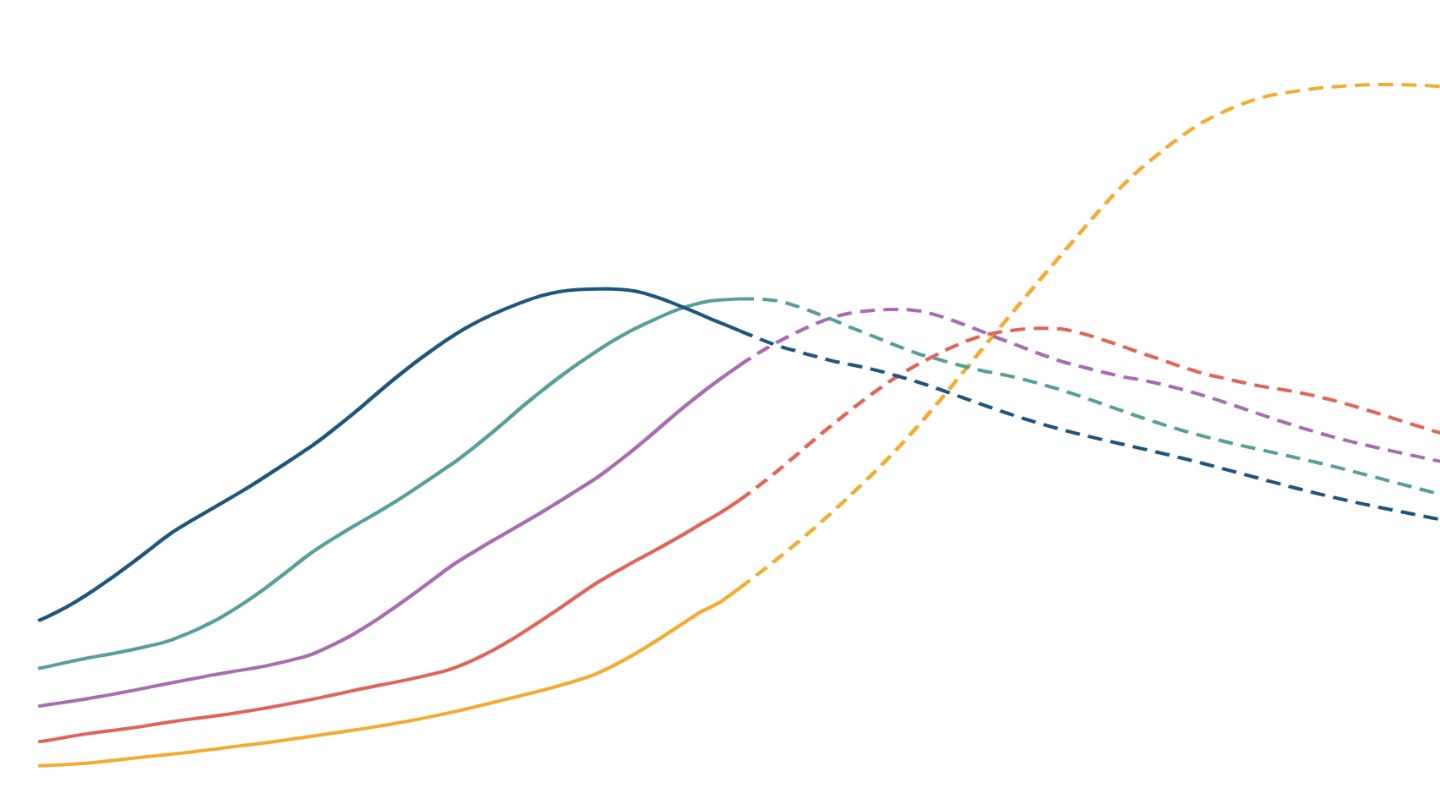
By the time India's last Baby Boomers were born in 1964, they had grown to become the largest 15-year age-cohort in the country, making up 42% of the population. This was much the same for India's Gen X who, by the time the last Gen X-er was born in 1980, made up 42% of the population. Millennials made up 40% of the population when the last Millennial was born in 1996.
But by the time India's Gen Z-er was born in 2012, this cohort made up just 32% of the population, the smallest this peak has ever been. India's Gen Z has simply not experienced the dominance over Indian demographics that previous young generations have.
Moreover, there is little difference any more in numerical terms between being very young and being in your 30s and 40s.
At the peak of the relative size of the Gen X and Millennial cohorts, the previous age cohort (Boomers and Gen X respectively) were 12-15 percentage points smaller in size, meaning that the newly young outnumbered the generation just before theirs in significant numbers. When Gen Z peaked in size in 2012, on the other hand, Millennials were just two percentage points fewer in their share in the population.
This situation will only be exacerbated for India's Gen Alpha, those born in 2013 and after. Even when Gen Alpha peaks in size in 2028, the generation older than them - Gen Z - will be larger in absolute numbers.
India's Gen Z is weighed down by those older than them
Today's 14-29-year-olds are, at 26%, the smallest share that this age group has been in India's population in over 50 years.
When this age group was last this small, what was keeping them relatively small was the size of the population younger than them. In 1973, the share of 14-29-year-olds in India's population was similar to what it is today. But at that time, the share of children under the age of 14 was another 41% of India's population.
What is squeezing India's 14-29-year-olds today is the size of the population older than them. In 2026, the share of children under the age of 14 is just 24%. But the share of those older than 14-29-year-olds is now half the population.
This, too, is only going to sharpen. India's Gen Alpha, when they are 14-29-year-olds, will be the smallest in relative terms that cohort has ever been in India's demographic history.
India's youth cohort is projected to shrink from 2026 onwards
It's not just that India's Gen Z is small now in relative terms. In 2026, India's 14-29-year-old population is projected to begin to shrink in absolute terms for the first time in Indian history.
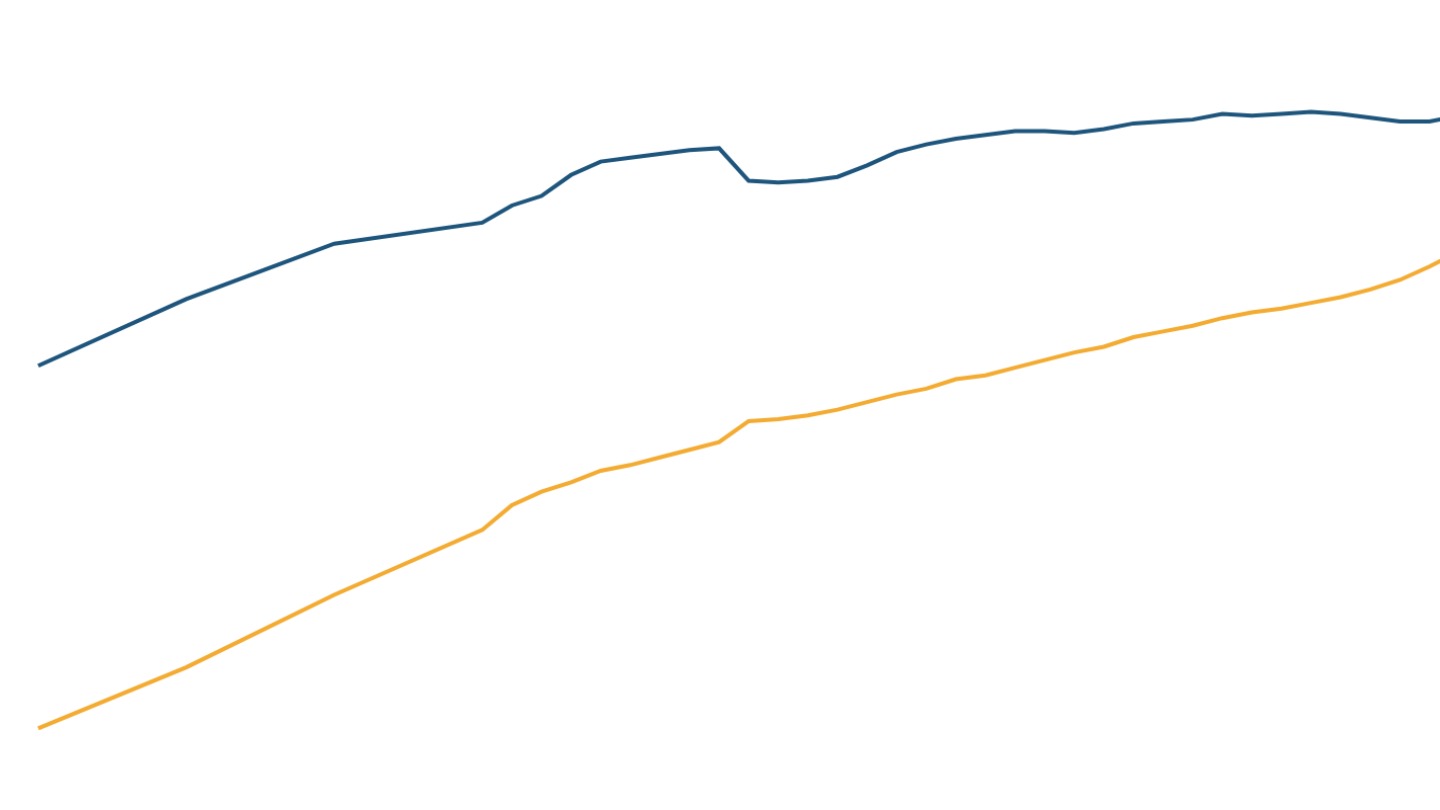
Relative shares apart, every age cohort has grown in absolute terms since 1950 as a result of falling fertility as well as falling mortality in early childhood and from infectious diseases. Even with rapidly falling fertility from the 1980s onwards, the combination of falling mortality and the momentum effect of fertility being close to replacement levels meant that all age groups were growing in size.
That stopped in the 2000s.
In the late 2010s, India's child cohort began to shrink in absolute numbers, which means that the country had fewer children between the ages of 0 and 14 every successive year since. From 2026, it will have fewer 14-29-year-olds every year.
In 15 years from now, the only age group still growing in size will be the 60+ year-old cohort. This could have profound implications for education, healthcare, the labour market and the economy.
(A version of this article was first published on India in Transition, a publication of the Center for the Advanced Study of India.)