One of the major transformations in the Indian economy in the last twenty years is the growing share of Indians brought into the banking system. In his work for us on access to banking, my colleague Abhishek Waghmare finds that by 2023, over 94% of men and 91% of women had an account either individually or jointly, with a bank or financial institution.
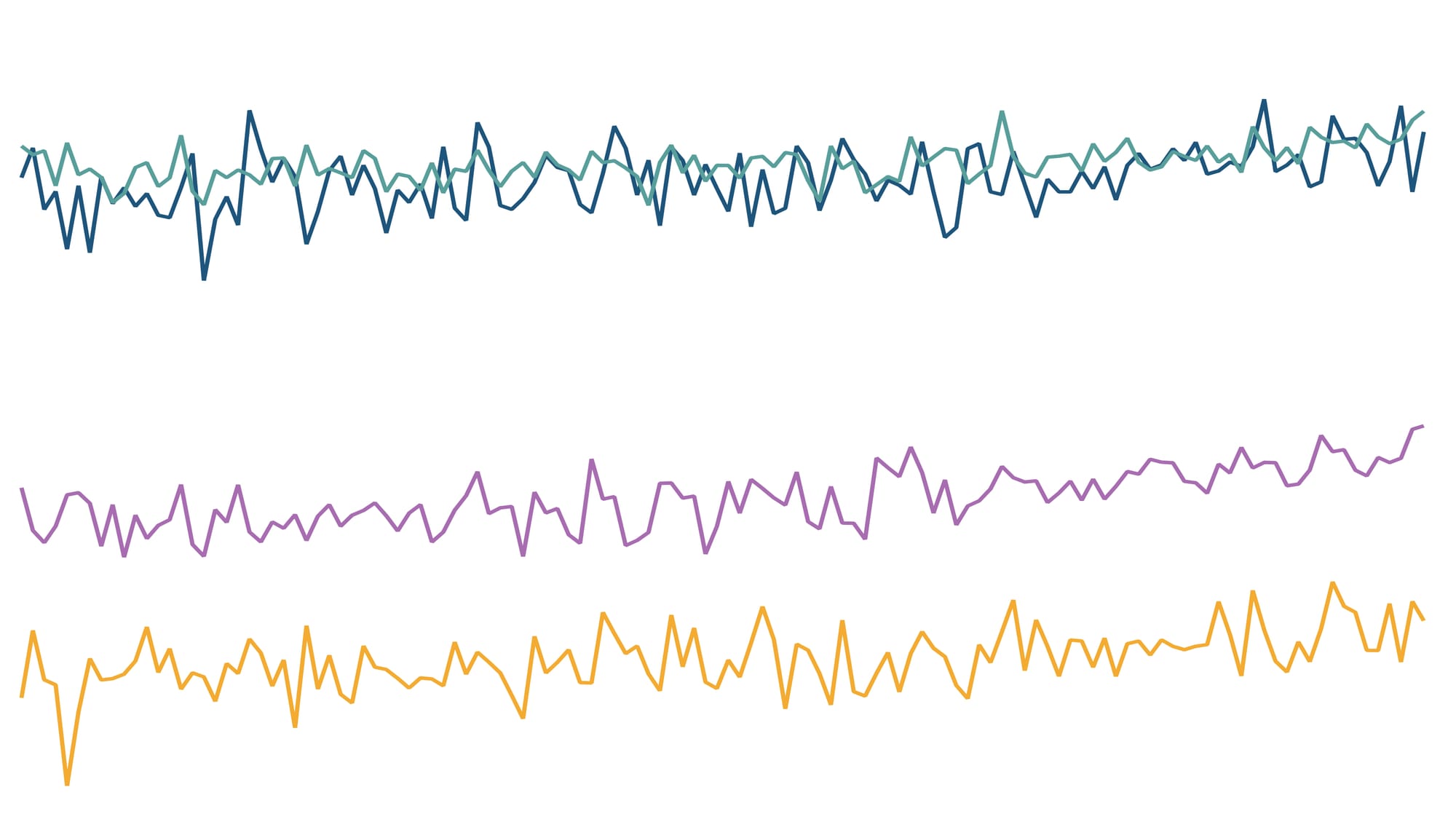
Having a bank account and using it can, however, be two very different things. The World Bank's Global Findex Database surveys nationally representative samples of adults in over 150 countries, including in India. In 2017, one-third of all Indian bank accounts were inactive, not just a staggeringly high number, but one that had also been rising.
This means that they had made neither deposits nor withdrawals, nor had any incoming or outgoing digital payments in the preceding year.
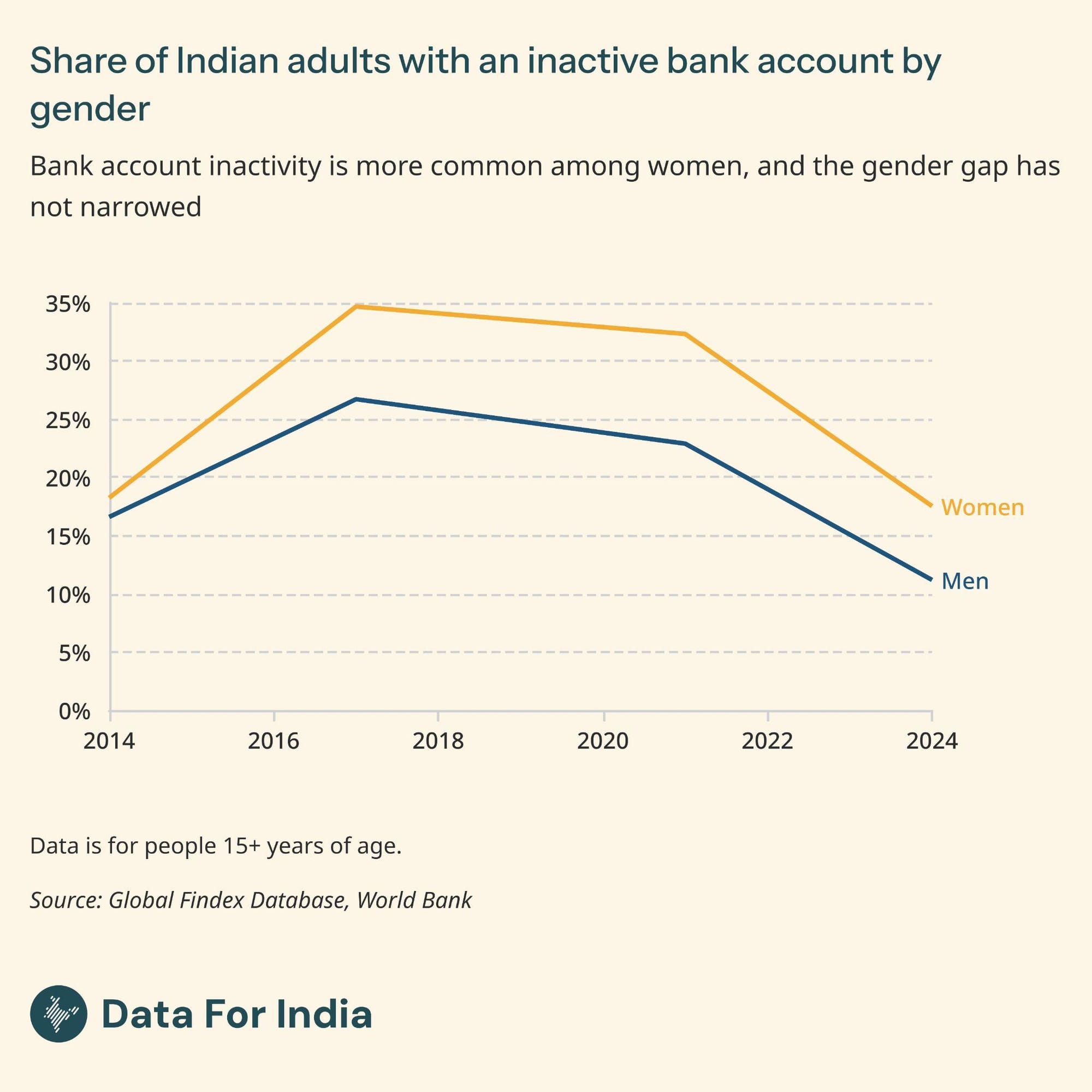
The COVID-19 pandemic changed this, with digital payments in particular taking off. Using your bank account became nearly unavoidable.
Despite these gains, it is sobering that one-sixth of account-holders in India had an inactive account in 2024. Not having enough money in the account, distance to the bank, and lack of trust with the banking system were reported to be the key reasons Indians did not use their bank account, the survey found.
The share of inactive users was far higher in India than in the other surveyed developing economies, Abhishek finds. While the share of account holders with an inactive account in India was 16%, the average of low- and middle-income-countries was 4% in 2024. The gender gap in India was also particularly large.
The scale of the growth and development that India has experienced is so massive that access to most assets and services can start seeming like solved problems. It's humbling to hold both thoughts - so much has happened, and it's never been more important to close the rest.