In most areas, it's an exciting time to be in the business of problem-solving for India. The big developing country problems - infant mortality, maternal mortality, preventable deaths from infectious diseases, extreme poverty - are beginning to recede, and drilling down to find where the problems now remain is fascinating and rewarding. We can identify the parts of the country where malaria remains a challenge, or the groups for whom stunting is the greatest concern, and we hope that by reshaping and renaming these problems, we're helping those in the business of solving them to focus their energies. There are big shifts everywhere, and focusing on what remains can be energising.
So it's worth pointing out when a data point does the opposite of that, and makes you feel weighed down by the sheer size of it. Judicial pendency, at the moment, looks like that.
At the end of 2025, my colleague Ameya Bokil finds in his work for us, there were 54 million cases pending across the three levels of the Indian judiciary - district and subordinate courts, High Courts and the Supreme Court. District and subordinate courts, the first rung of the judicial system in the country, account for nearly 48 million of these pending cases.
But that's not the most distressing part; big numbers on their own are not necessarily cause for alarm. What is a data point that weighs me down is this one - it's not getting better.
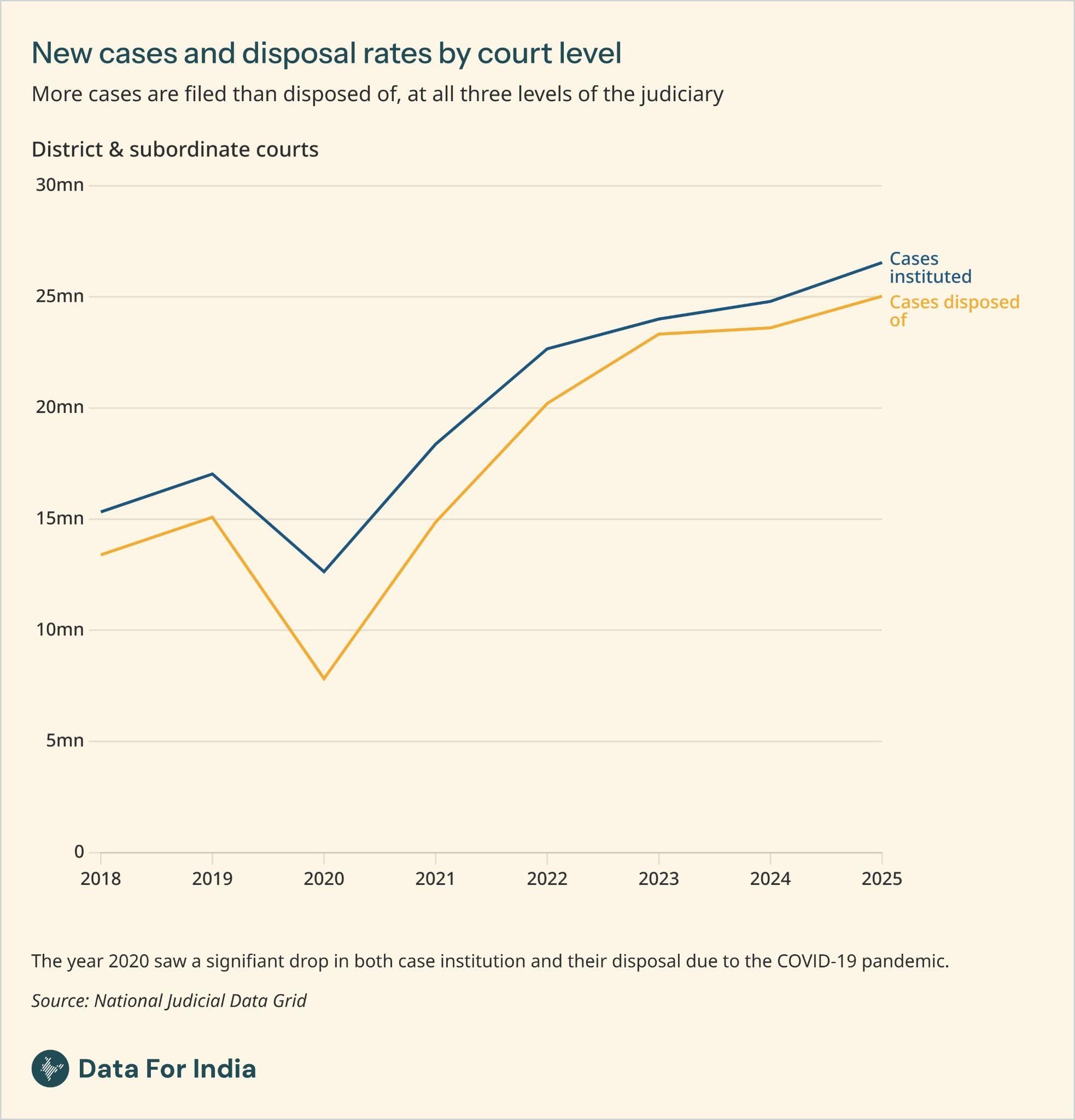
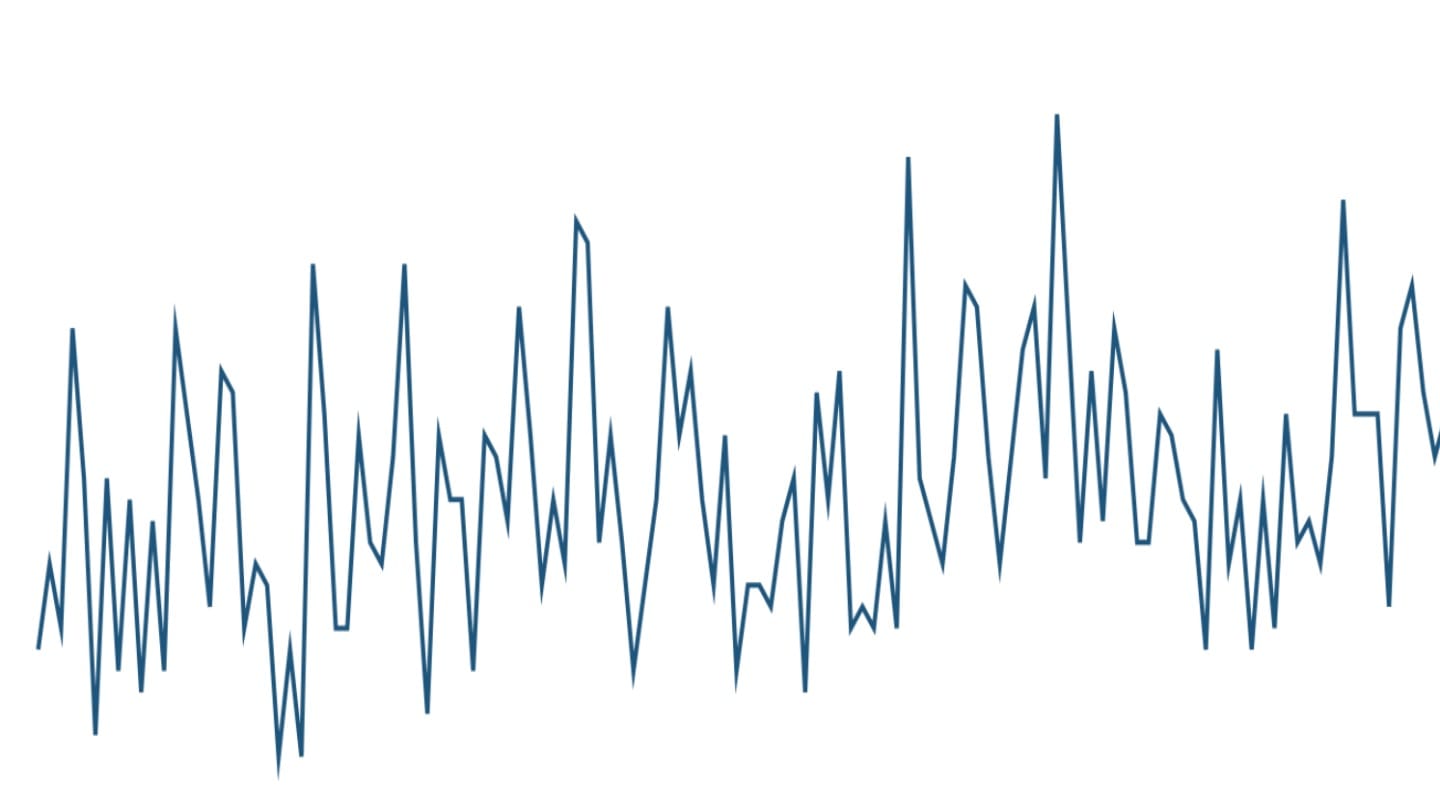
Between 2018 and 2025, Ameya finds, the number of new cases filed every year outstripped those disposed of by courts in most years. So we're not getting any closer to fixing this - instead, we're getting further away.
In his piece, Ameya writes a little about the why of it all - why is pendency so large, and why is it worsening? Some of the brightest legal minds in the country have also worked and written on this. But we're not (yet) any closer to it changing, and that doesn't at the moment inspire hope.
On a slightly less gloomy note: for many of you, emails and newsletters are how you keep track of interesting work, and we want to do a better job of keeping you informed of new work at Data For India. At the end of last month, my colleague Arpit Arora sent out the first edition of The Roundup, our new monthly newsletter that shares what the team has been working on. You can subscribe here.