One of the rare indicators on which women do better than men is life expectancy. But in my work for us on life expectancy, it was sobering to see just how late this advantage came to India's women.
Across the world, women tend to live longer than men, owing to a combination of biological and social factors. Girls are more likely to survive infancy and younger childhood than boys for largely biological reasons. In young adulthood, men are more likely to succumb to accidental deaths. In older ages, men are likely to have higher mortality rates from non-communicable diseases, in part on account of differences in health behaviours, including smoking.
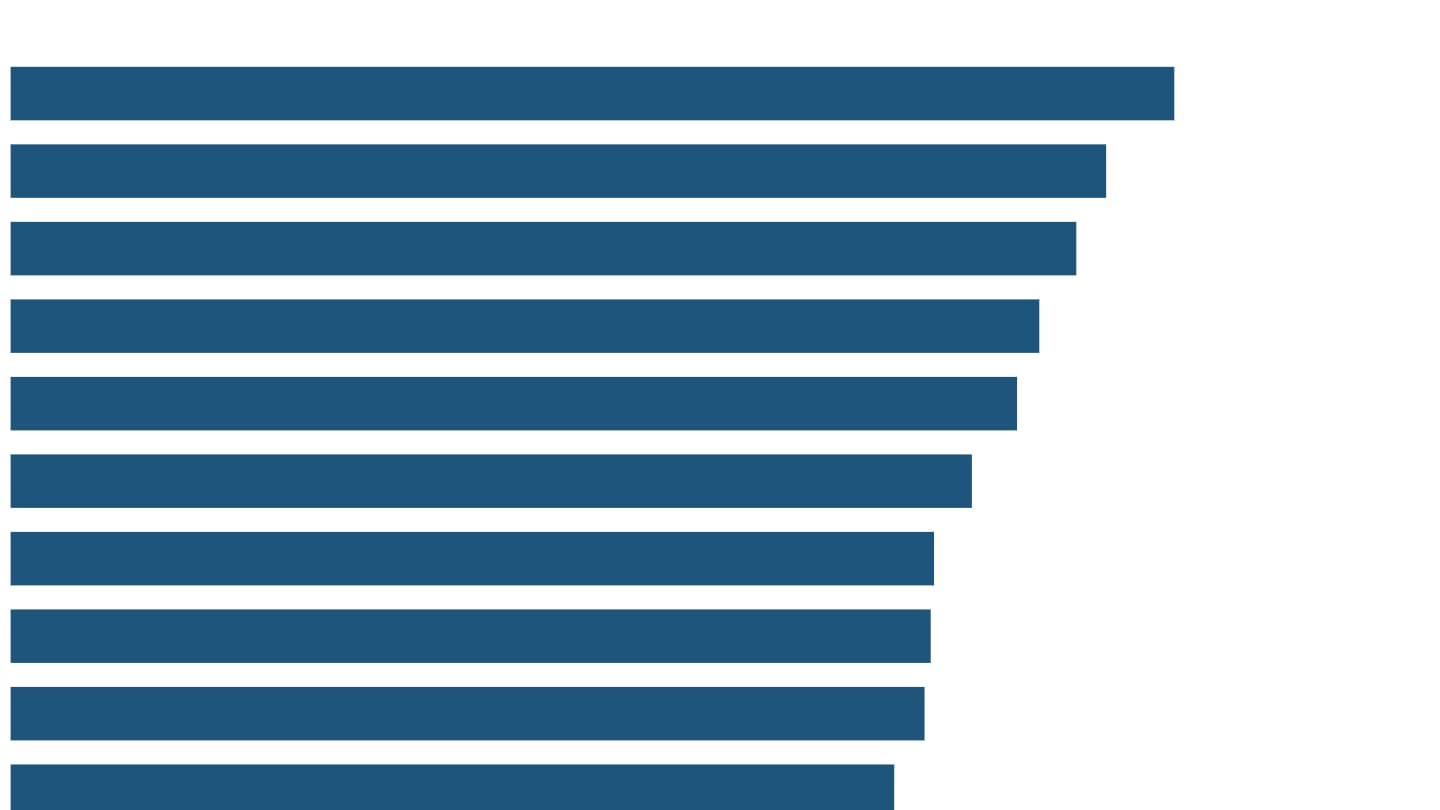
You see this right from the 1950s, the earliest year for which there is comparable data, in countries around the world. Look at Brazil, for instance - by 1950, women already lived nearly five years longer than men, and over time this gap has grown.
In India, on the other hand, the female advantage in life expectancy came much later.
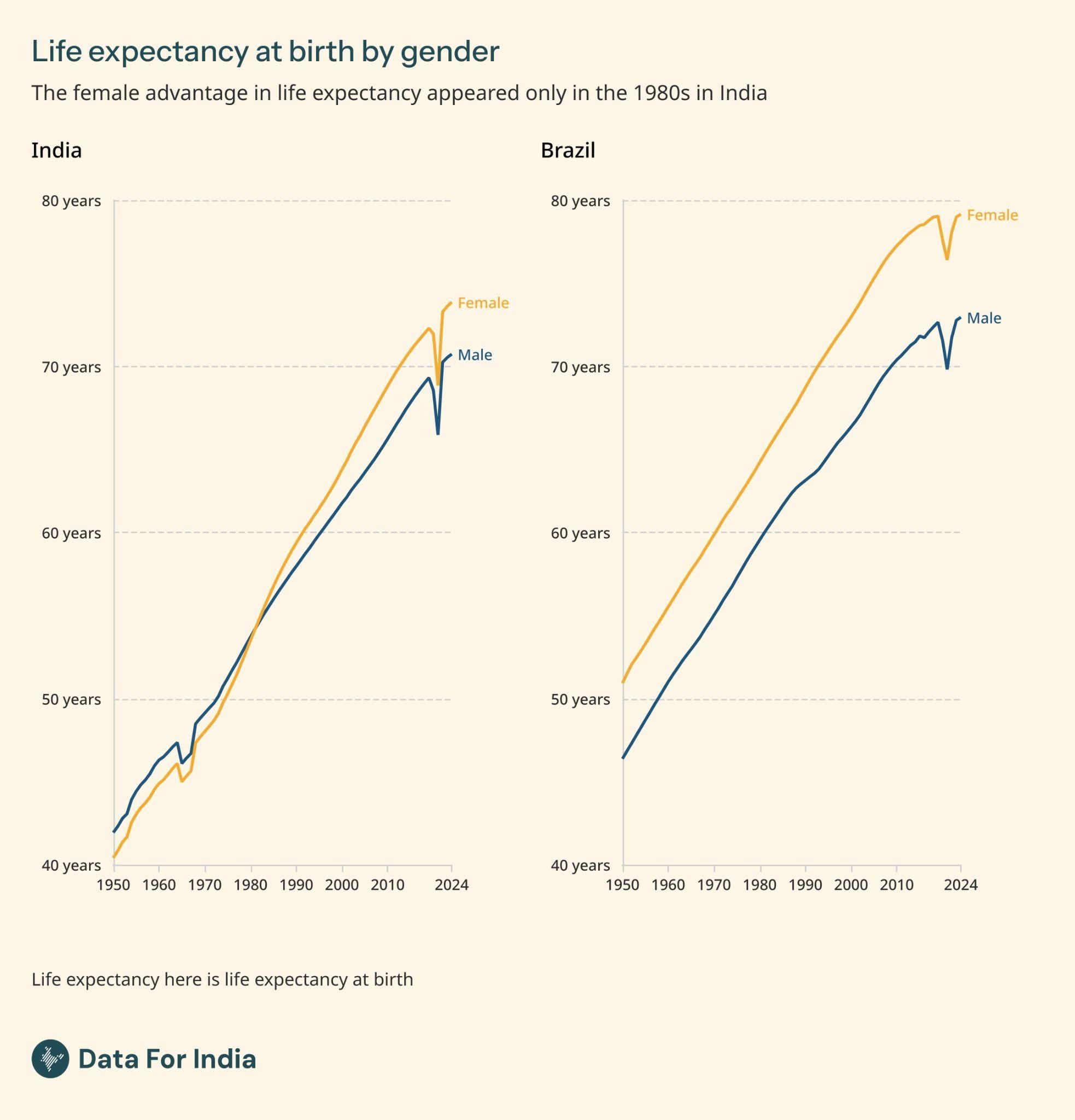
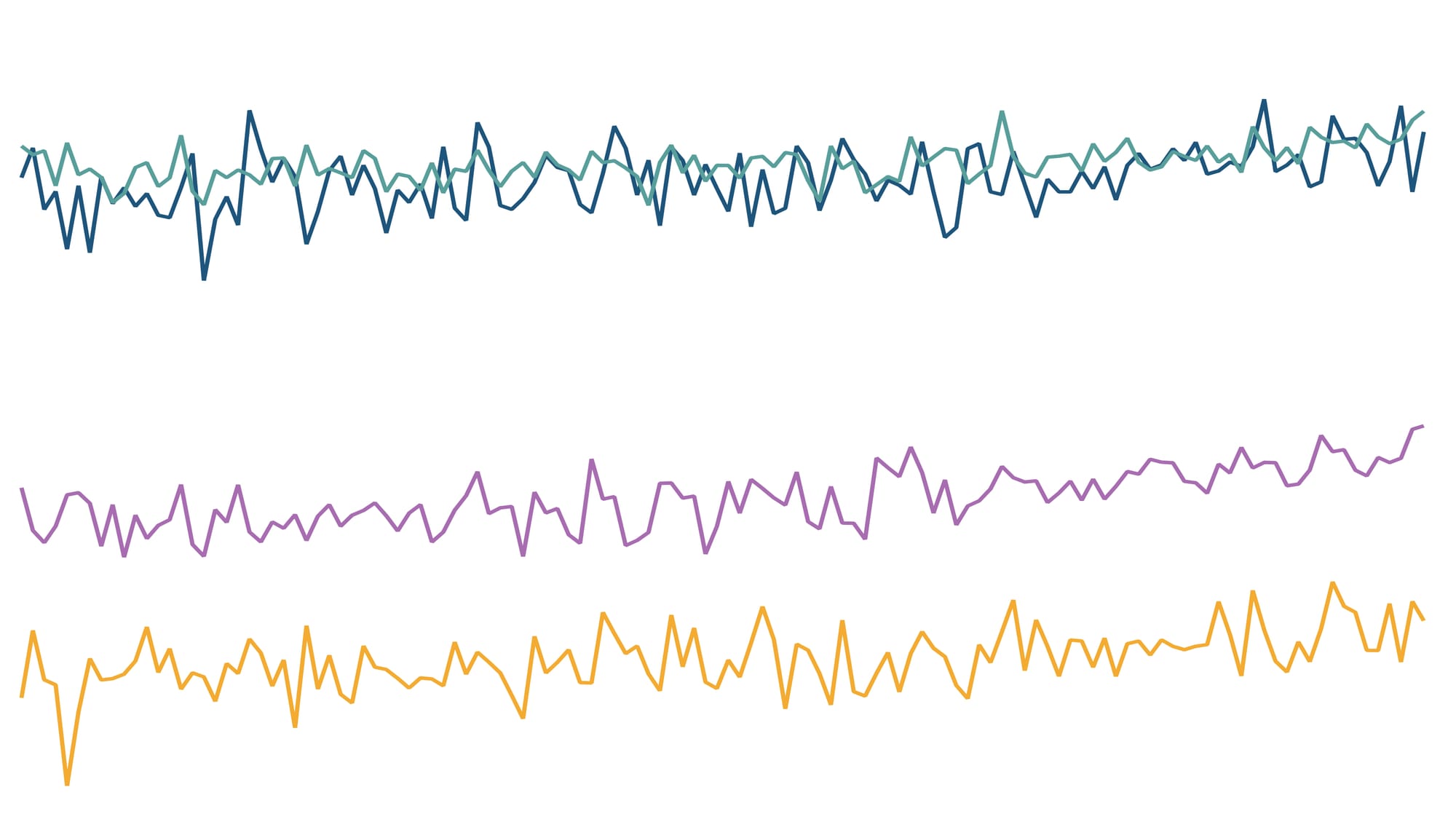
Until the 1980s, this female advantage, seen the world over, was reversed in India - men were expected to live longer than women. Driving this unusual difference were high rates of female mortality in childhood and young adulthood, even while in the rest of the world girls were more likely to survive childhood and young adulthood.
By the mid-1980s, the female advantage in life expectancy began to assert itself, particularly in older age groups. The excess female mortality in younger age groups has only begun to close in recent years. By 2024, India, like Brazil, had a distinct female advantage in life expectancy.
However this advantage remains smaller than in many comparable countries. It is also not uniform across the country; the female advantage in life expectancy has existed for decades now in India's richest states, but is yet to establish itself in India's poorest states, which tend to be much younger, and still have high excess female mortality.
It's strange to think of something so unnatural - of people of one sex living longer than the other - as being natural, or even desirable. But that isn't really the case I'm making. A pattern established in demography around the world was turned on its head for decades in India, for reasons that were at the very least, unnatural. The big shift here for India is just it moving closer to the mean.