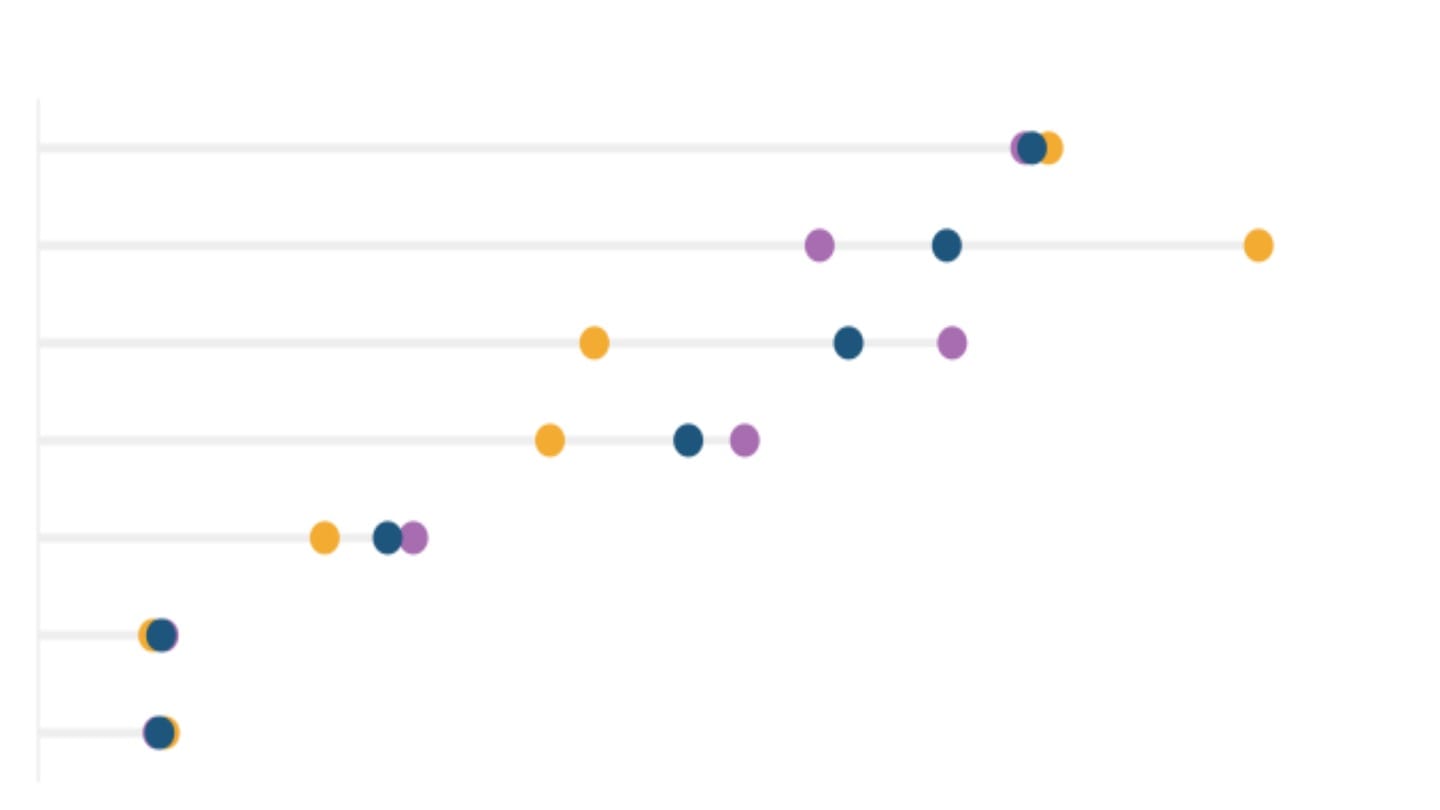
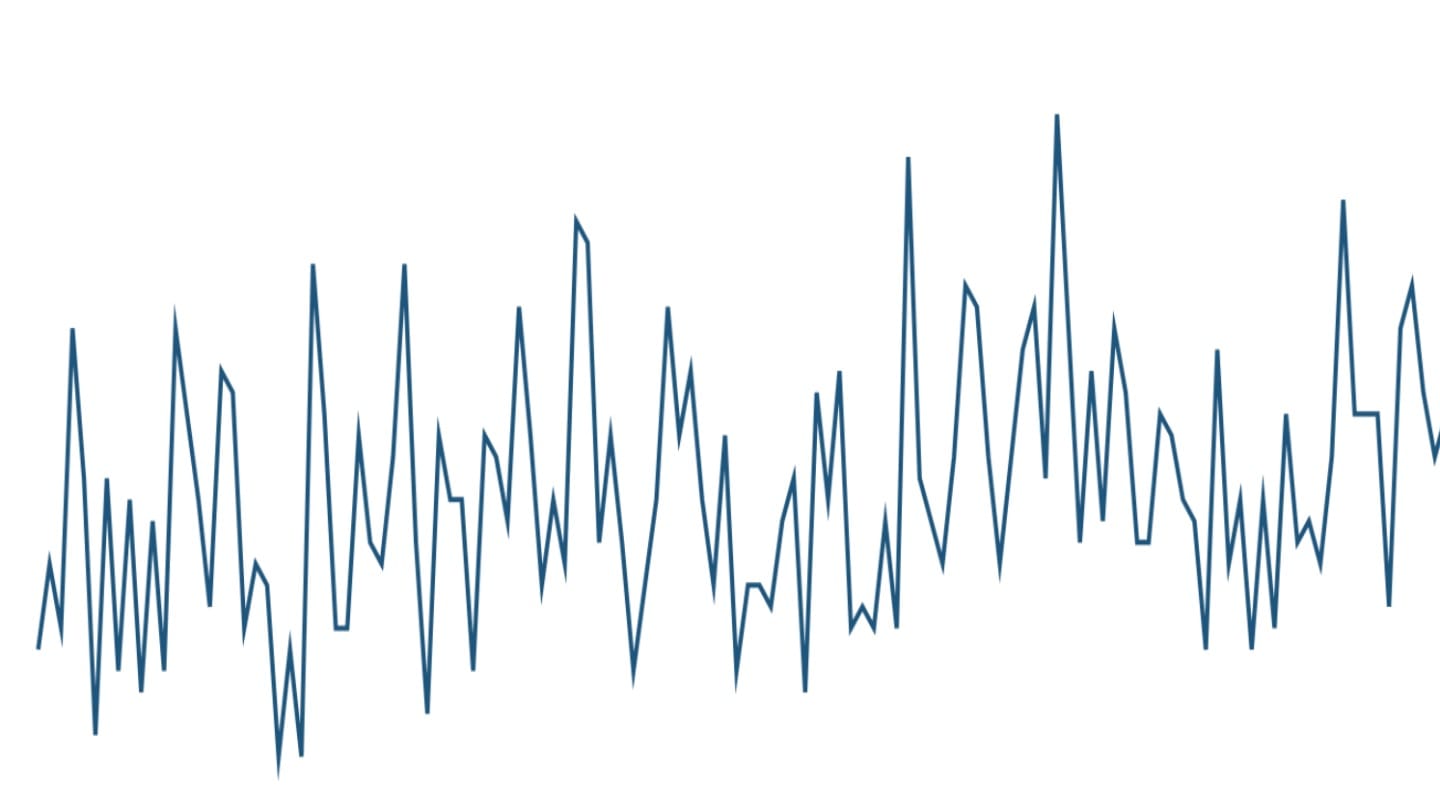
Sometimes the work of my colleagues captures not one big shift but two or three at the same time. The more I looked at this chart in my colleague Nileena Suresh's recent work for us on the sectors of the workforce that are feminising (and those that are not), the more important patterns I could see in it. And they all mean different things for different people.
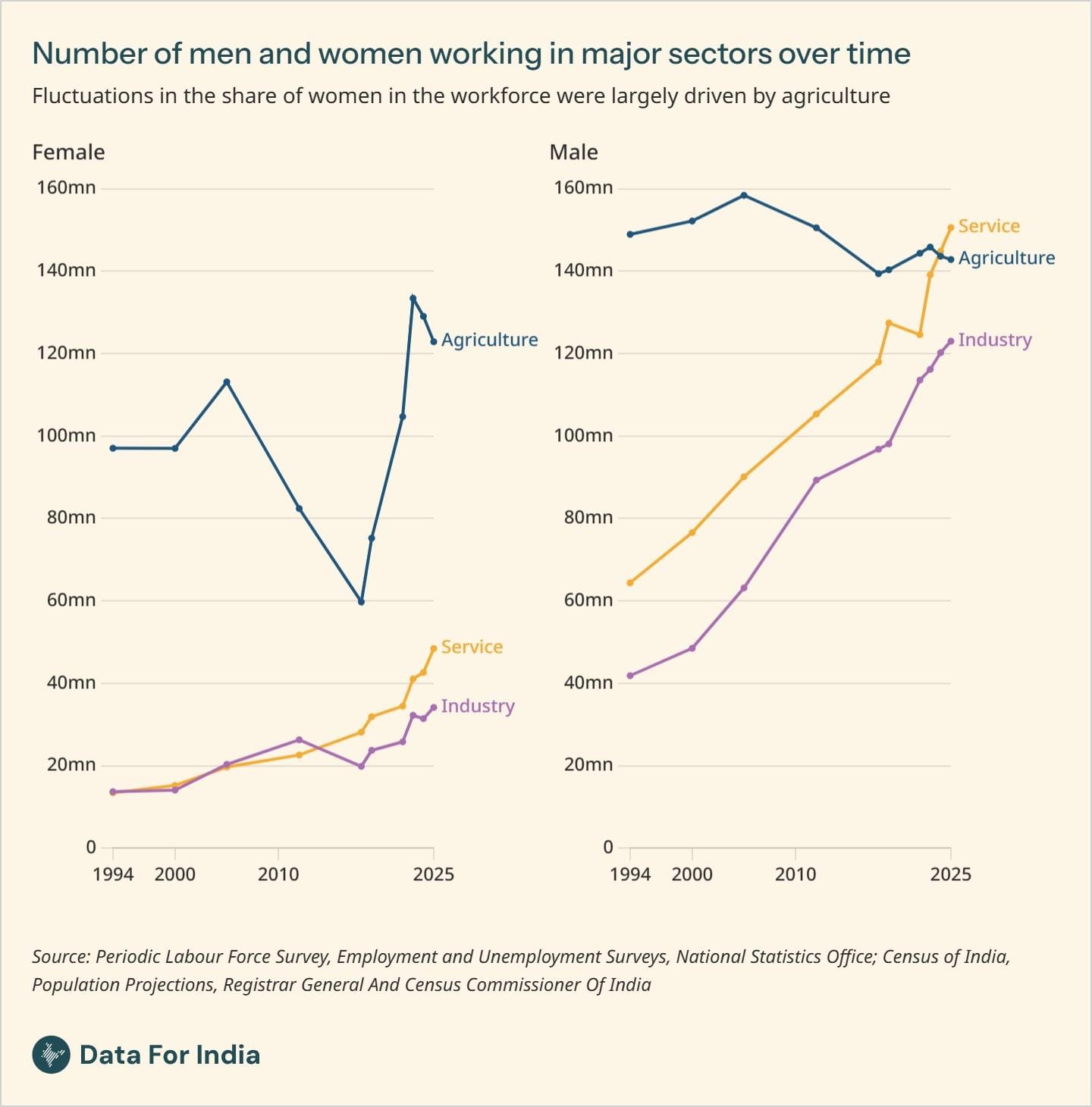
The first is that over time, the share of India's workforce in agriculture is falling, as the share working in industry and services rises, in line with the general direction in which all industrialising countries move, as my colleague Abhishek Waghmare wrote about earlier.
The second is that these trajectories look very different for men and women. The number of women in the agricultural workforce is the highest it has been in thirty years, while the number of men in agriculture is near the lowest it has been. As a result, as Nileena writes, India's agricultural workforce is the most feminised that it has ever been. The improvement in female labour force participation rates after 2018 was largely on account of these women entering agriculture.
And finally, there is a striking moment in the trajectory of male employment in India. In 2025, the number of men working in services appears to have surpassed the number of men working in agriculture for the first time in India's history. At Data For India, we are careful not to declare big shifts that turn on a single year's data, but you can clearly see that this shift has been decades in the making.
Looking separately at all three shifts and recognising the value each has in helping us understand different things is crucial. If we were to look at them all together, we'd barely see much of a shift - agriculture would still be the biggest employer, men would seem to be dominating the workforce, and services would still seem to be far behind. Split the data up into its parts, and you see all that's churning under the surface.